
You don't need to understand networking to audit your own network closet. You need ten minutes, this list, and the willingness to open one door. What you find predicts your next outage better than any report your IT vendor sends you.
Open the door and look
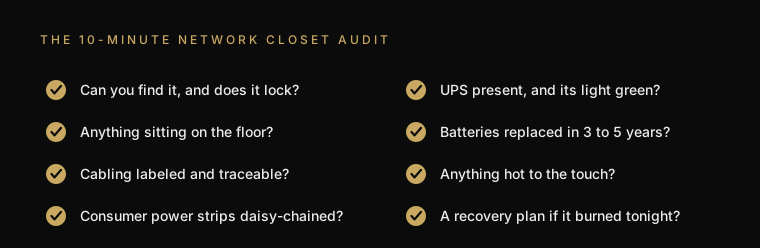
1. Can you find it, and does it lock? Your entire business runs through this space. If it doubles as a janitor's closet, mop water and your core switch are roommates. If it doesn't lock, anyone in the building can take your company offline with one pulled plug.
2. Is anything sitting on the floor? Switches and servers on the floor are one water heater failure away from a very bad week. Racks exist for a reason.
3. What does the cabling look like? You're not judging beauty. You're judging traceability. Labeled cables in bundles mean changes take minutes. A rat's nest of identical unlabeled wires means every future fix starts with an hour of guesswork, billed to you.
4. Count the wall-wart power strips. Enterprise equipment on daisy-chained consumer power strips is both a fire-code citation and a self-inflicted outage waiting for a vacuum cleaner to trip a breaker.
5. Is there a UPS, and is its light green? A battery backup keeps the network alive through blips and lets equipment shut down cleanly in a real outage. A UPS with a red light or a dead battery is furniture.
Now ask three questions
6. "When did we last replace the batteries?" UPS batteries live 3 to 5 years. Nobody remembers, which is the answer.
7. "Is anything in here hot to the touch?" Closets accumulate equipment but rarely accumulate ventilation. Heat is the quiet killer of switches, and the number-one cause of the mysterious mid-afternoon slowdowns everyone blames on the internet.
8. "If this room burned tonight, what's the recovery plan?" Configurations backed up? Documentation exist outside the room? A vendor who can respond? "I don't know" is a complete answer. It means the plan is hope.
Scoring
- 0 to 1 problems: healthy. Calendar this audit yearly.
- 2 to 4 problems: you're running on borrowed time; fix power and heat first. They take equipment with them when they go.
- 5+: your network works by habit, not design. A remediation visit costs less than the first hour of the outage it prevents.
Why this matters more than it used to
Ten years ago the network carried email. Today it carries your phones, your payments, your cameras, your door locks, and every order your team enters. The closet nobody looks at is now the single point of failure for the entire operation, which is exactly why it deserves ten minutes of daylight this month.
Loading comments…