
Capability 01
Network infrastructure
Cat6A, fiber, pathways, racks, and closets that still make sense in five years. Every run tested, both ends labeled, results handed to you at the end.
More on this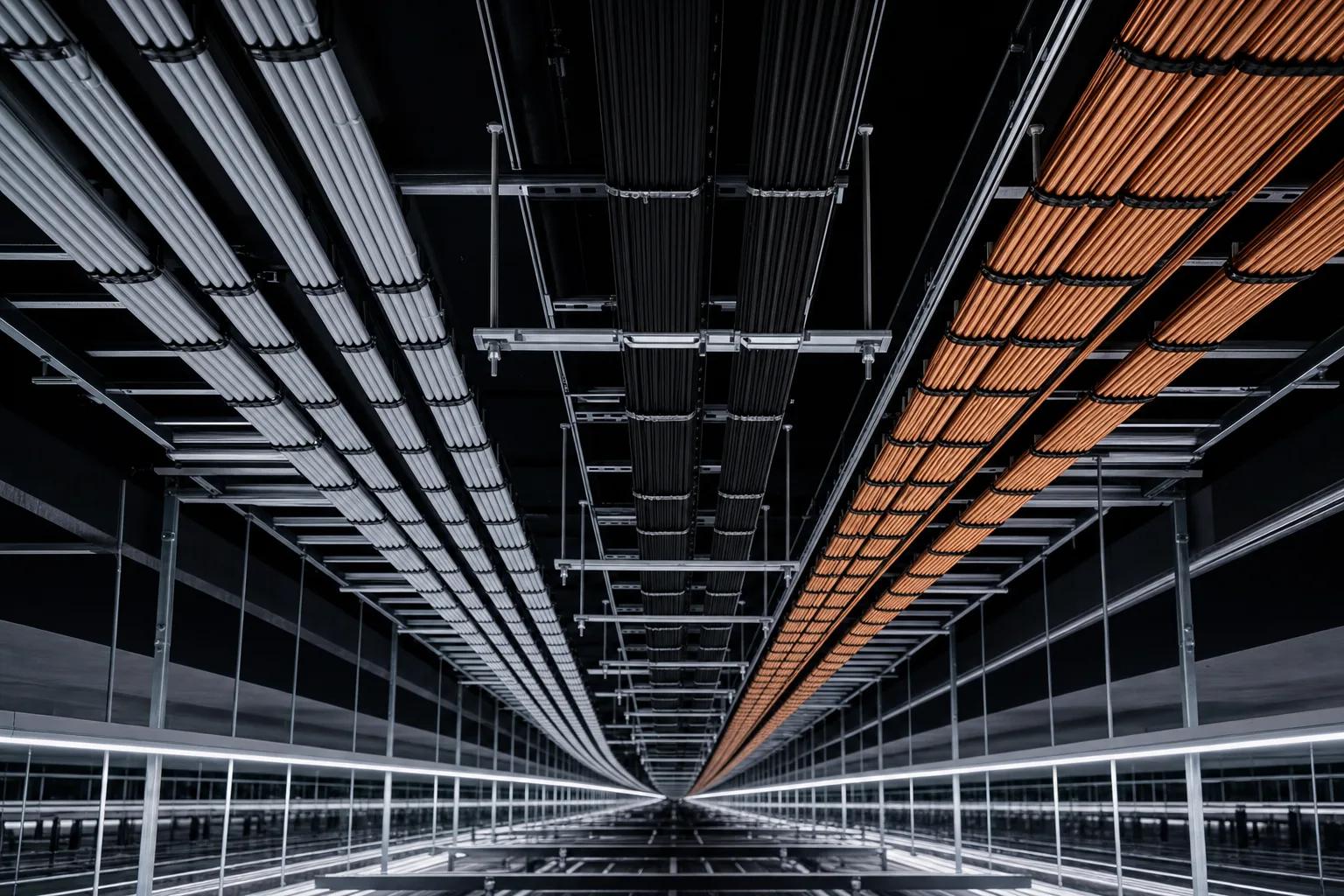
From the cable in the wall to the software your team uses every day. We design networks, set up servers and devices, and build custom systems for inventory, ordering, tracking, and reporting. Based in Huntsville, Alabama, we help businesses turn an idea into a connected operation.
A scanner that updates inventory. An order that reaches the kitchen. A dashboard that helps you plan tomorrow. We connect the equipment, network, and software around the way your business works.
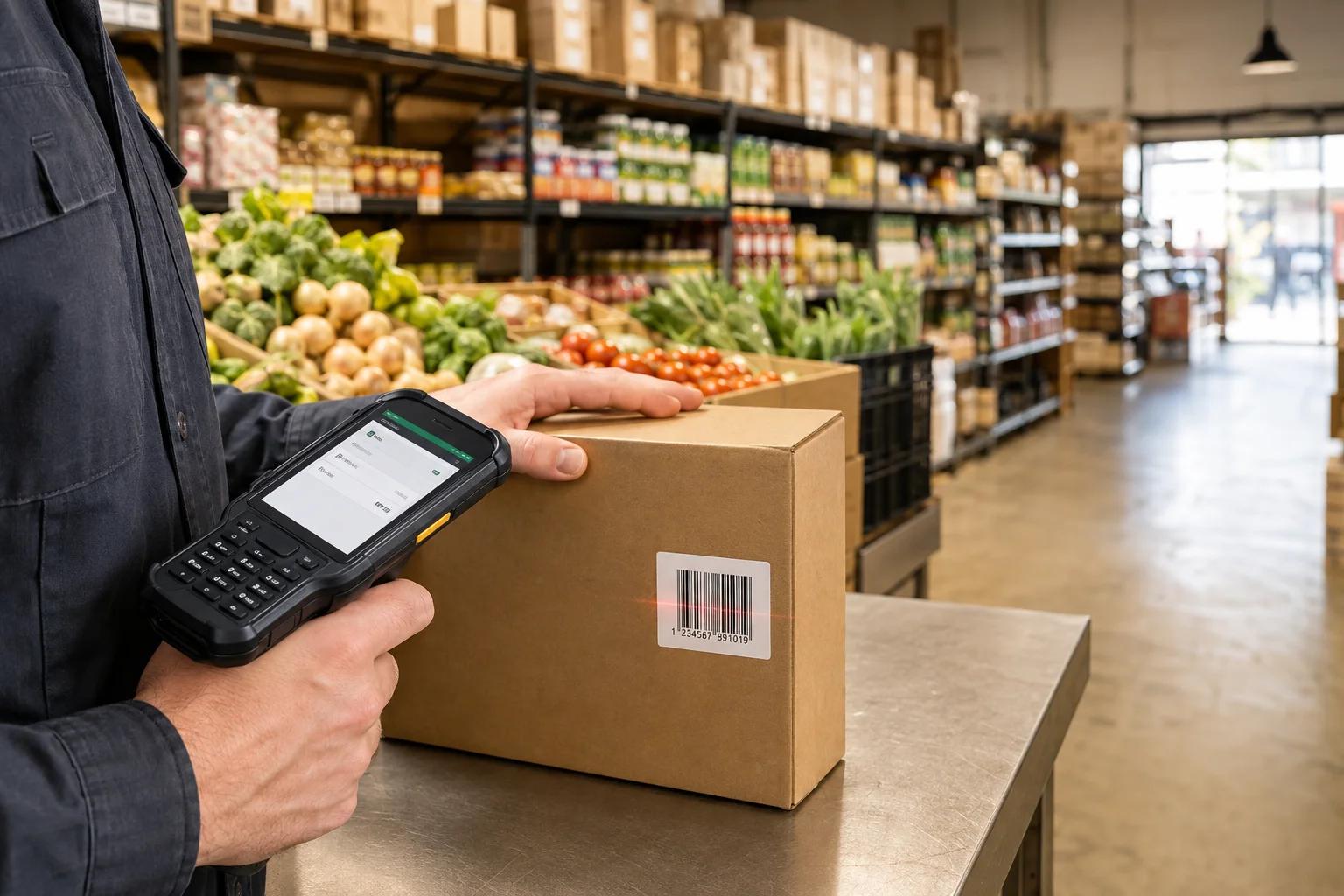
Lenovo servers, Zebra handhelds, and custom inventory software can bring receiving, stock counts, sales data, and reordering into one workflow.
Explore the inventory exampleFrom the first order to tomorrow’s prep list ↗Connect POS, ordering, kitchen screens, and reporting. Use sales history to forecast demand and help plan purchasing and staffing.
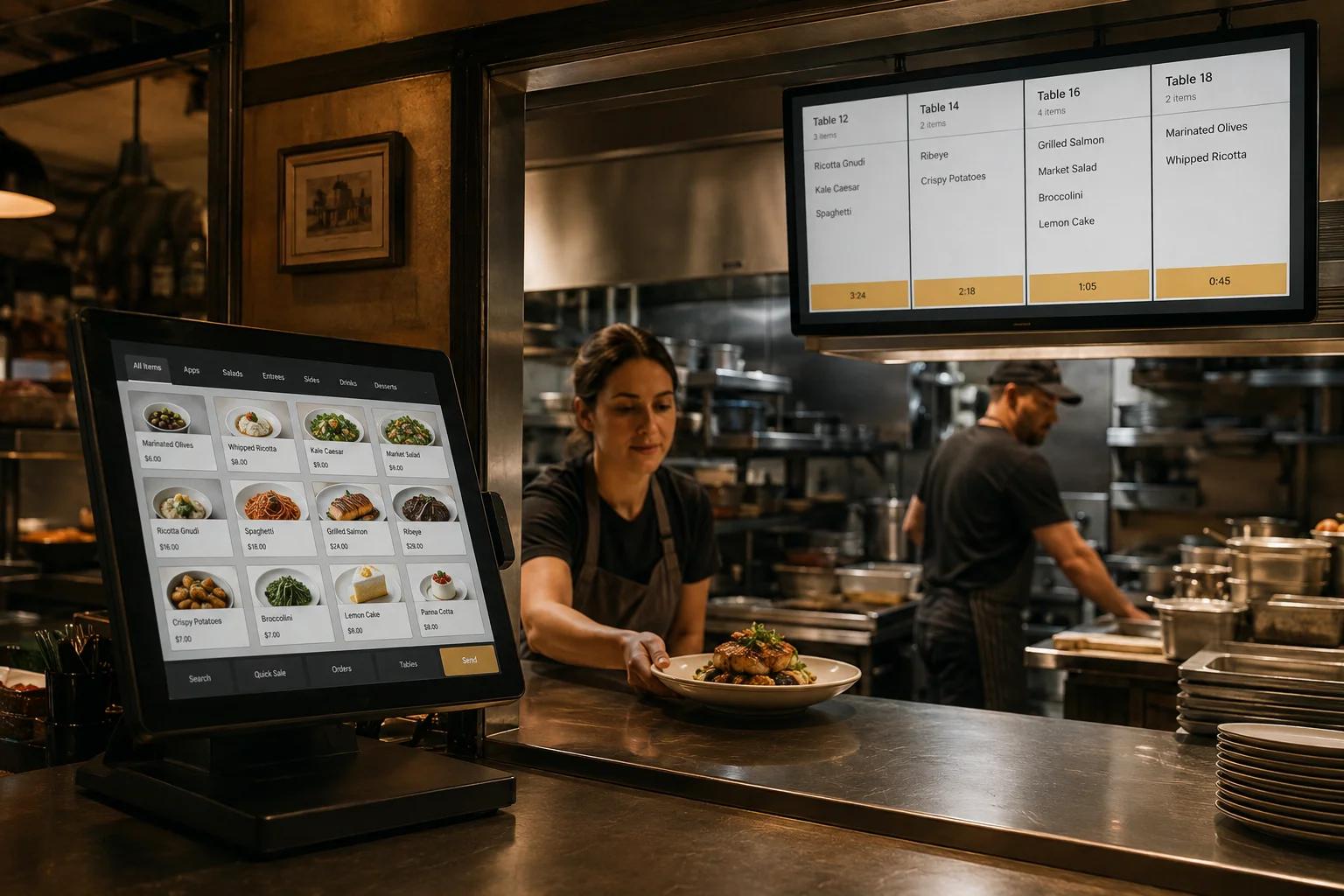
Explore the restaurant exampleSERVICE / GLASS TECH SOFTWARE
Send a mock order to the cold kitchen, grill, sauté, and pastry screens. Fire each course and bring the plates together at expo. Try it yourself, or watch a guided walkthrough.
Try the restaurant demo →No account. No sales call. Sample data only.
For common cabling, Wi-Fi, camera, and access-control projects, start with our online planning calculator. It uses equipment costs and labor hours to show an estimated price and equipment list. For a custom application or connected business system, we work through the workflow and integrations with you before preparing a scope and proposal.
It is a planning number and the page says so. Nothing becomes fixed until we have walked your building.
Build your quoteThe real address, not a region. Drive time, travel, and per-diem are part of what a job actually costs, so the number gets built around where your building is.
Building type, square footage, ceiling height, and how many drops, access points, cameras, or doors. Steppers and plain language, not part numbers.
A planning price with the actual equipment listed under it, by model, and what each piece does. You can see what you are paying for before anyone calls you.
We walk the site before anything becomes a fixed agreement. If a condition in the building moves the price, we show you the condition, not just a new number.
The network, servers, devices, and software all need to work together. We design the complete workflow, coordinate supported vendor integrations, and agree on who supports each part. From a labeled cable to a custom inventory screen, you have one team to help bring the system together.
See what we do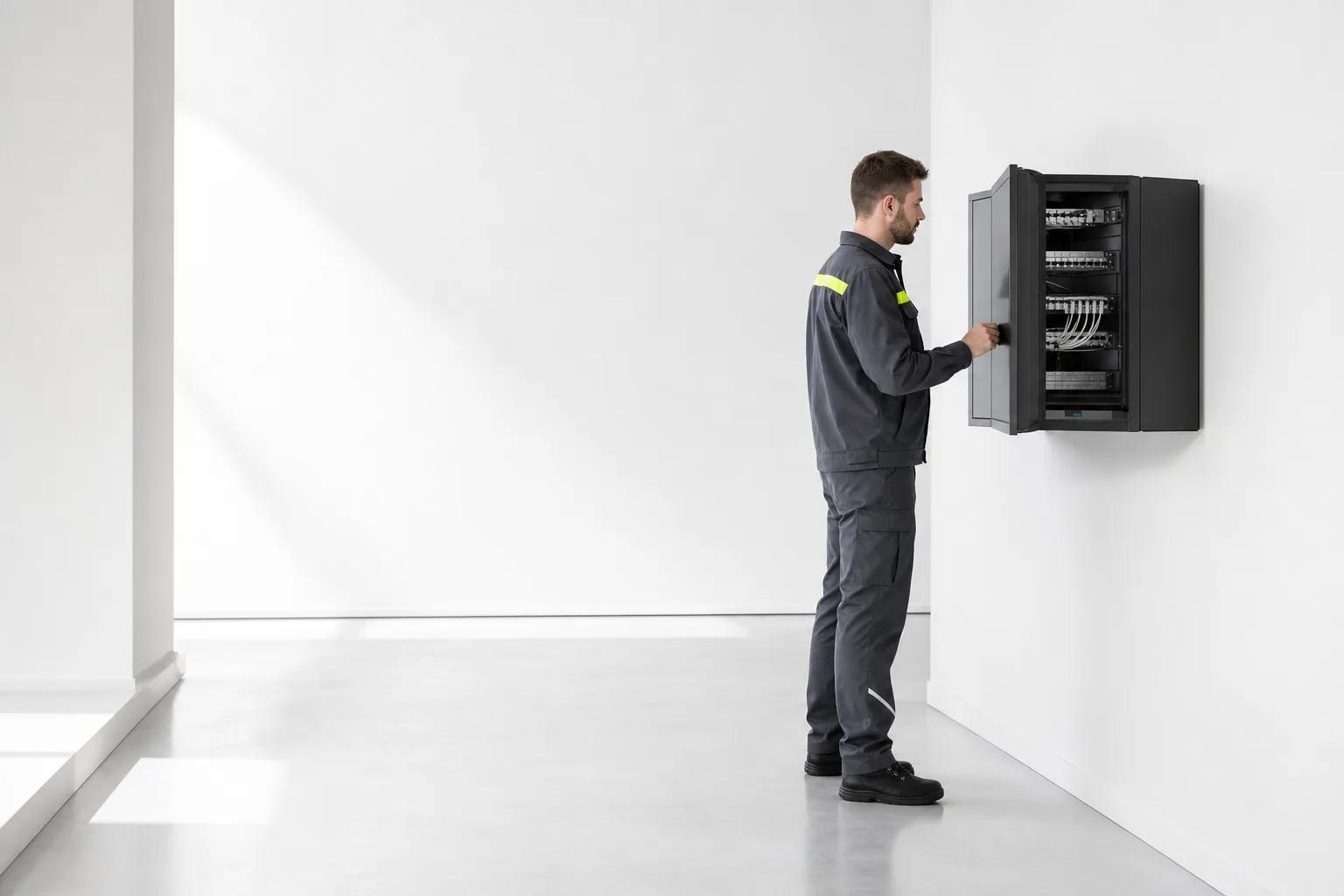
Cat6A, fiber, pathways, racks, and closets that still make sense in five years. Every run tested, both ends labeled, results handed to you at the end.
More on thisCameras, card readers, door hardware, and intercom, designed together so you are not stuck running three systems that cannot talk to each other.
More on this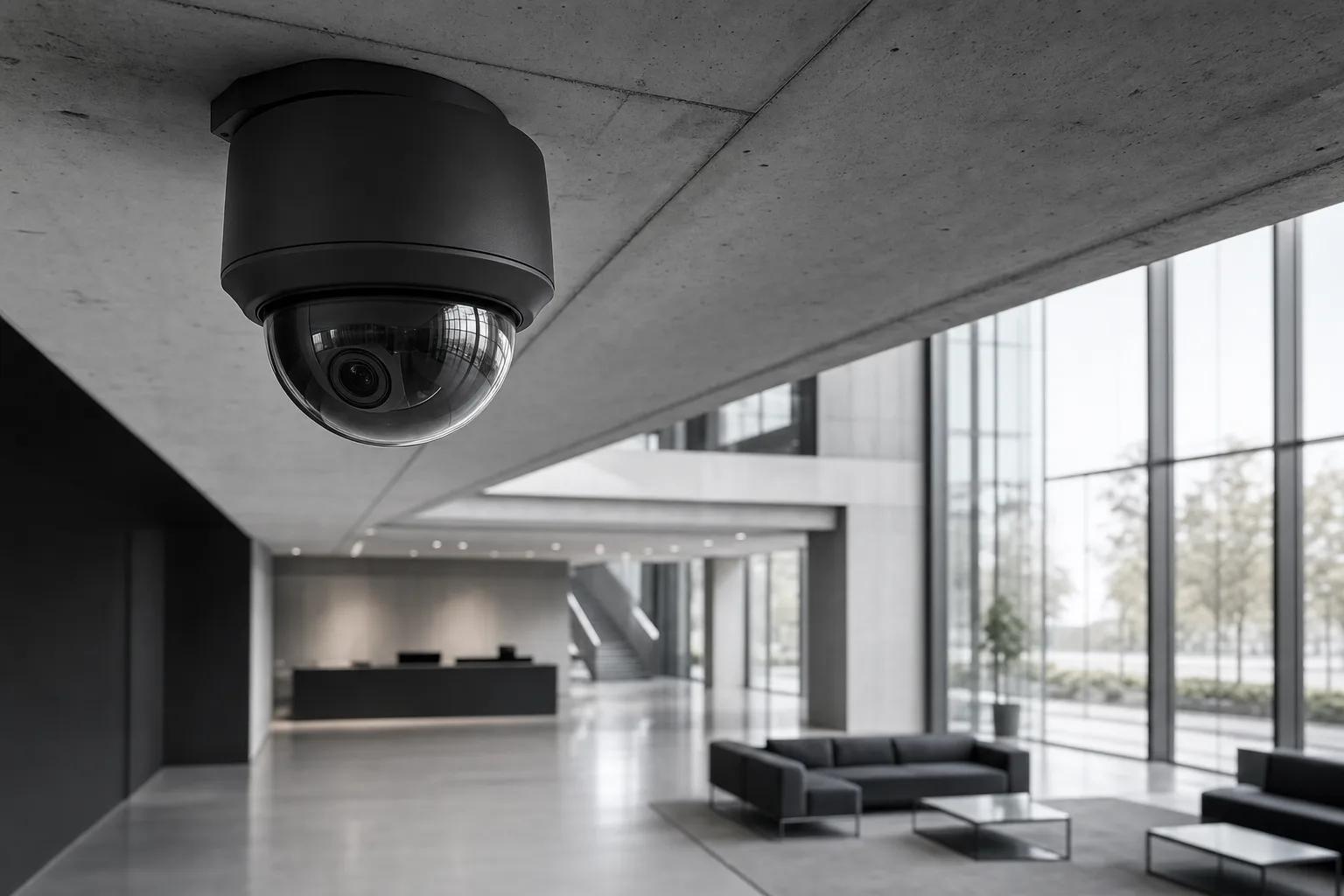
Wi-Fi that works in the back corner of the warehouse. We survey the actual building instead of guessing at access-point counts off a floor plan.
More on this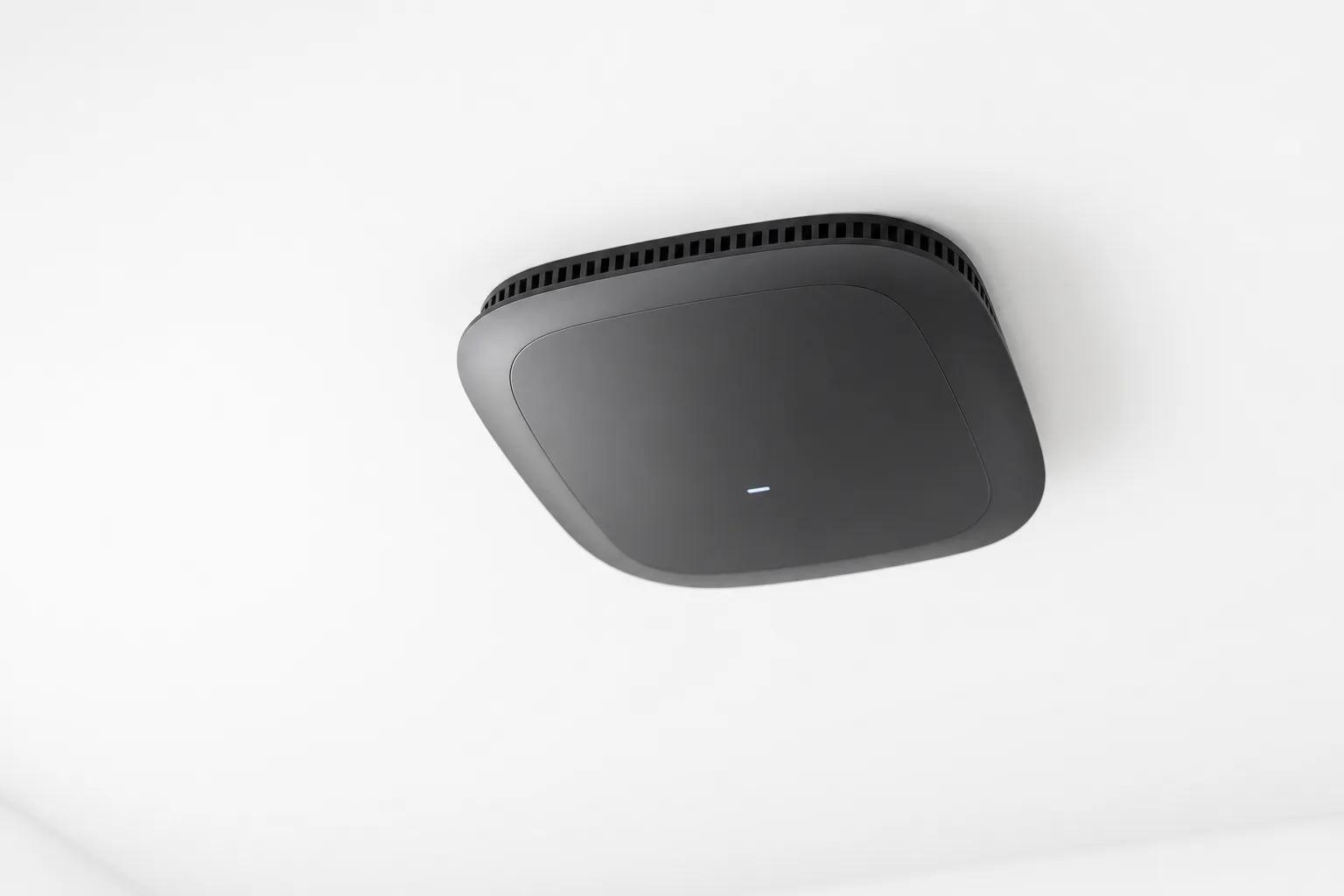
Monitoring, changes, and support with a real person on the phone, not a portal where tickets go quiet.
More on this
Open the ceiling, open the closet, pull the test results. We do not hide our work, because hidden work is how a building ends up with a mess somebody else has to untangle years later.
How we workOne building, that is our crew. A forty-site rollout, that is our crew plus partners we have vetted and hold to the same scope and the same checklist, with one project manager and one phone number over the whole thing. The agreement says plainly which is which, so you are never guessing who is in your building.
Start a projectCeilings, closets, existing runs, and whatever has already gone wrong in there. Drawings help. The building tells the truth.
Scope, design, counts, and schedule, in language you can check, so you know what you are buying before you buy it.
Around your hours when the building cannot stop. You get an update at the end of every day, including the days that did not go well.
Test results, labels, photos, as-builts. Everything your team needs to run it without us, though you can still call us.
Send drawings, a walkthrough video, or just a description of what is not working. We will tell you what it takes and what it costs. If we are not the right people for it, we will tell you that too.