Order
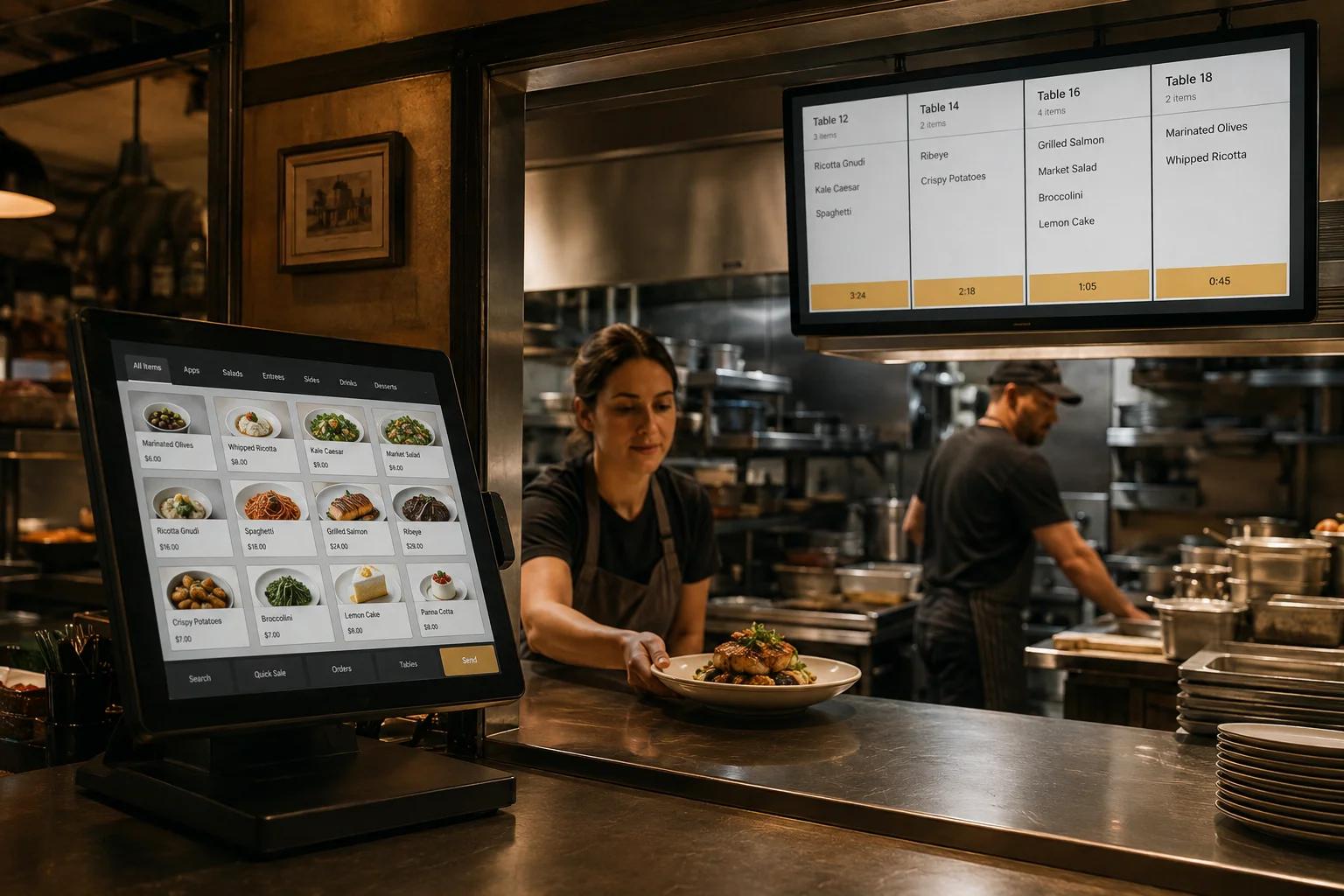
A cashier creates an order with modifiers; a separately certified payment system handles the card transaction.
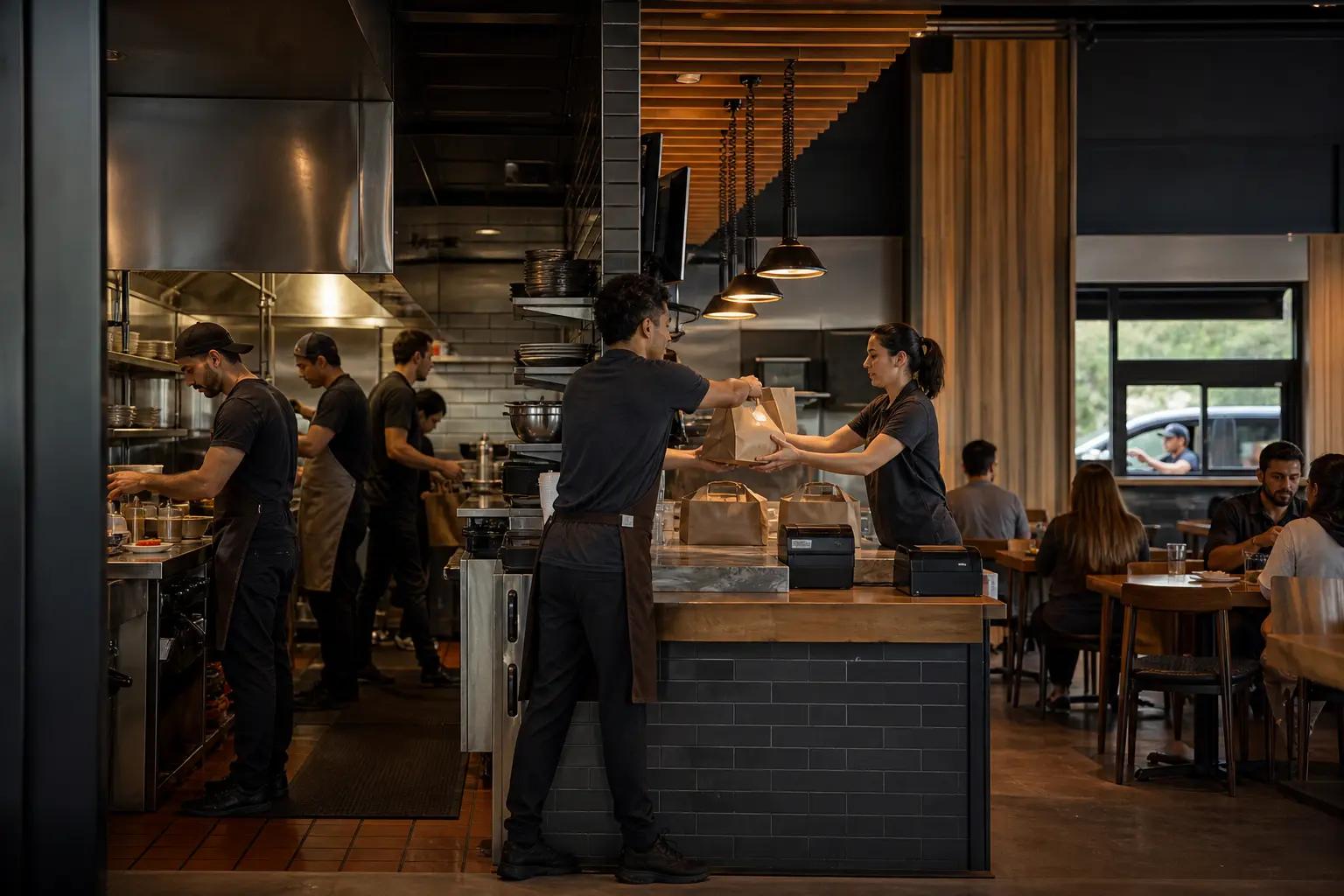
Ordering, payment, kitchen displays, printers, pickup, drive-through, menu boards, and guest Wi-Fi, cut over on a schedule that does not cost you a dinner service.
A scanner that updates inventory. An order that reaches the kitchen. A dashboard that helps you plan tomorrow. We connect the equipment, network, and software around the way your business works.
SERVICE / GLASS TECH SOFTWARE
Send a mock order to the cold kitchen, grill, sauté, and pastry screens. Fire each course and bring the plates together at expo. Try it yourself, or watch a guided walkthrough.
Try the restaurant demo →No account. No sales call. Sample data only.
A restaurant order board with front-counter entry, kitchen routing, pickup status and a manager view of sales and next-shift preparation. This example includes two kitchen displays and one receipt printer.
Try the sample action. Watch the record, summary and activity log change together.
Four fictional Mondays, same-day average. A manager adjusts for reservations, promotions and waste; this is not a promised forecast accuracy.
86 meals · $1,720 illustrative sales
At an assumed $20 average meal sale, before tax. Adjusted by 0 meals; this is a planning scenario, not guaranteed revenue.
Interactive concept. These fictional records stay in this page; no business system is connected.
A cashier creates an order with modifiers; a separately certified payment system handles the card transaction.
The order service assigns menu items to hot-line and expedite displays, with unique ticket IDs and acknowledgments.
Kitchen staff update preparation status; the counter sees what is ready, delayed or canceled.
The manager reviews a four-week same-day average and adjusts the next-shift prep plan for bookings and events.
One menu of up to 60 items, two kitchen routing rules and one documented POS sales export. Counter ordering and a local kitchen board are included; customer web ordering is a separately priced extension.
Select a device group to see its photograph, quantity and job. The room plan is conceptual; a site survey confirms routes, mounting, power and wireless coverage.
Wired path: ISP → gateway → switch → server, wired consoles, printers and access points. Handhelds use staff Wi-Fi. Guest traffic is separated. Each numbered group matches the equipment schedule below.
An EloPOS counter workspace and two Elo kitchen boards show the same order record. Each staff role has the controls it needs.
A custom order-routing pilot with three roles, validated records, timestamped actions and the described import/export. You approve the screens and rules before development.
The Lenovo server runs the application and PostgreSQL database locally. It is the authoritative record; client screens request changes through the application API rather than editing the database directly.
The gateway and managed switch connect fixed equipment. Access points connect mobile staff devices. Device profiles, labels, port records and separate guest access make the setup supportable.
Encrypted off-site backups, database transaction-log archiving and a witnessed restore exercise. Example targets: no more than one hour of committed data loss and restoration within one business day when replacement compute is available; these are tested targets, not an SLA.
Customer-owned business data, administrator handover, CSV export, configuration records and an operating guide. Custom source-code ownership/license terms and support responsibilities are written into the agreement.
Application: React and TypeScript browser interface, Node.js API, PostgreSQL database, and a Linux server distribution supported by the final Lenovo configuration. Zebra DataWedge sends scanned barcode input to the focused application field. The server validates every transaction and records its unique identifier to prevent duplicate posting.
Deployment: Containerized application services, HTTPS, named staff accounts, manager approval for sensitive changes and MFA for administrator access. A customer-controlled management VPN limits remote administration. No database port is exposed to the public internet.
Recovery: PostgreSQL base backups and archived transaction logs go to an encrypted customer-owned object-storage account. Daily backup checks and a sample restore prove the selected retention and recovery target. A nightly export alone would not meet the one-hour target.
When a connection fails: The local workflow can continue through an ISP outage while the server, LAN and required local services remain available. Off-site backup transfer pauses. A disconnected device shows an unconfirmed action and cannot claim it saved; staff use the documented manual fallback and reconcile before retrying. A failed server stops the application until recovery. This single-server pilot has no automatic failover.
Licensing: The proposed React/Node/PostgreSQL application does not assume a paid per-user application subscription. Commercial OS support, the selected device-management service and any third-party software/API licenses are qualified separately; only the allowances listed below are in this budget.
USD planning example prepared September 2026. Catalog-priced items use Glass Tech’s customer planning prices. Configuration-dependent items use explicit customer budget allowances; they are not manufacturer quotes or orderable offers.
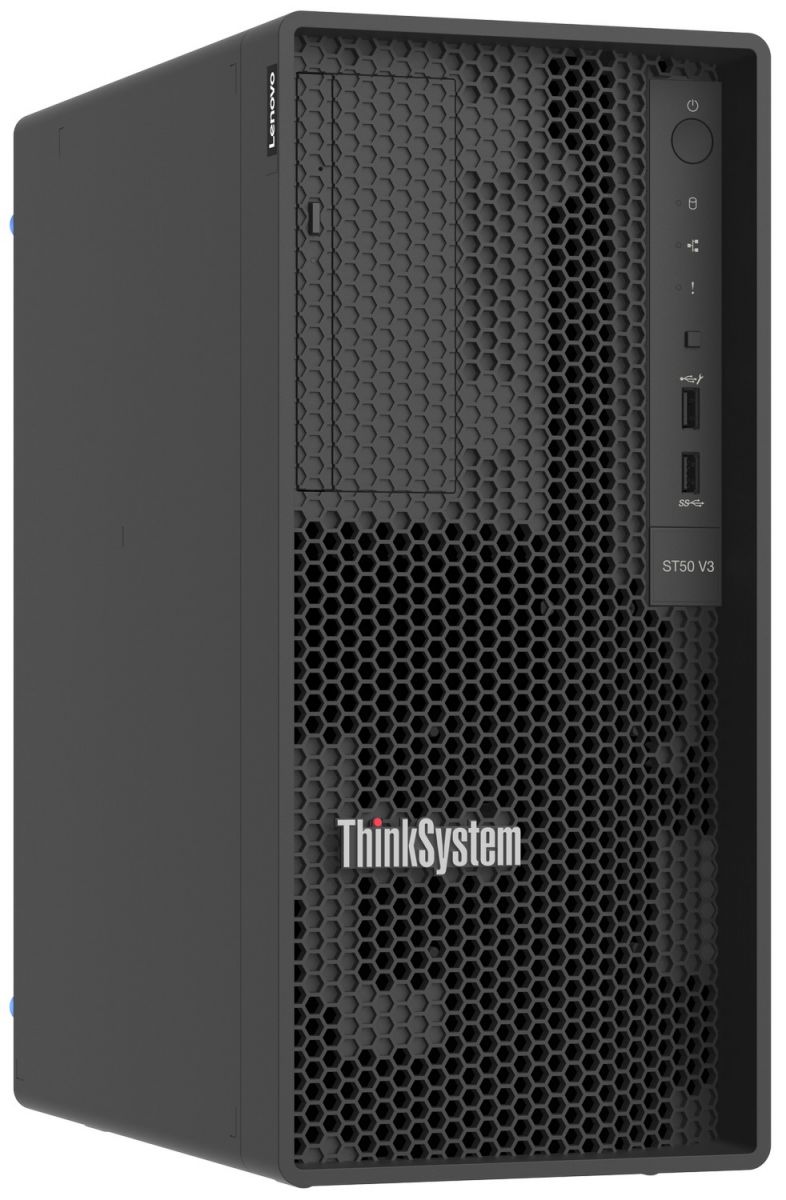 01 / 1 unit
Example configuration allowance: 32 GB ECC memory, two enterprise SSDs of at least 960 GB, compatible storage protection and three-year hardware support. Final CPU, drive/controller combination and supported Linux OS are qualified before ordering. Tower stands in the secured room, outside the shallow network rack.
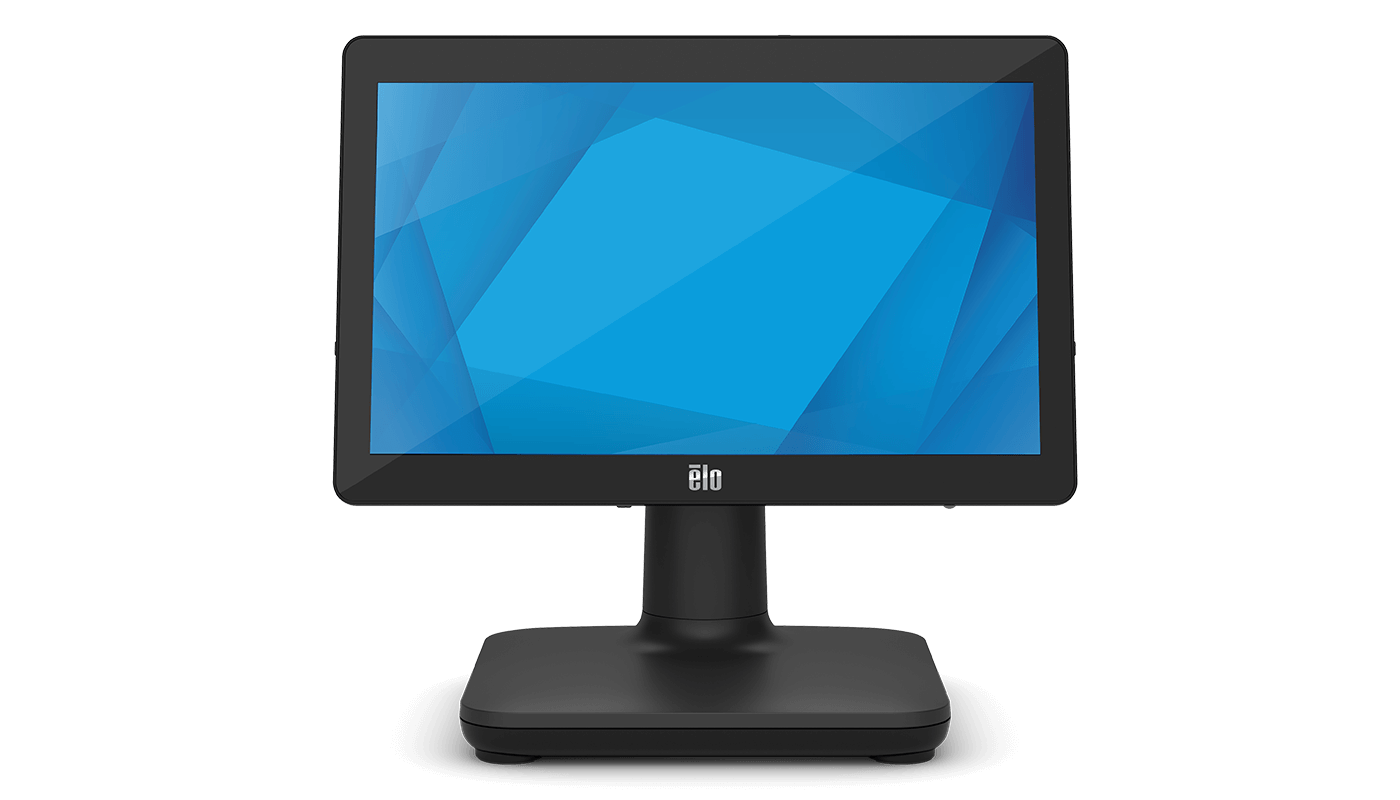 02 / 1 unit
15.6-inch touch workstation with a current supported Windows configuration and manufacturer power supply. Exact orderable SKU and application support are confirmed before purchase. Photograph represents the family; no obsolete OS configuration is assumed.
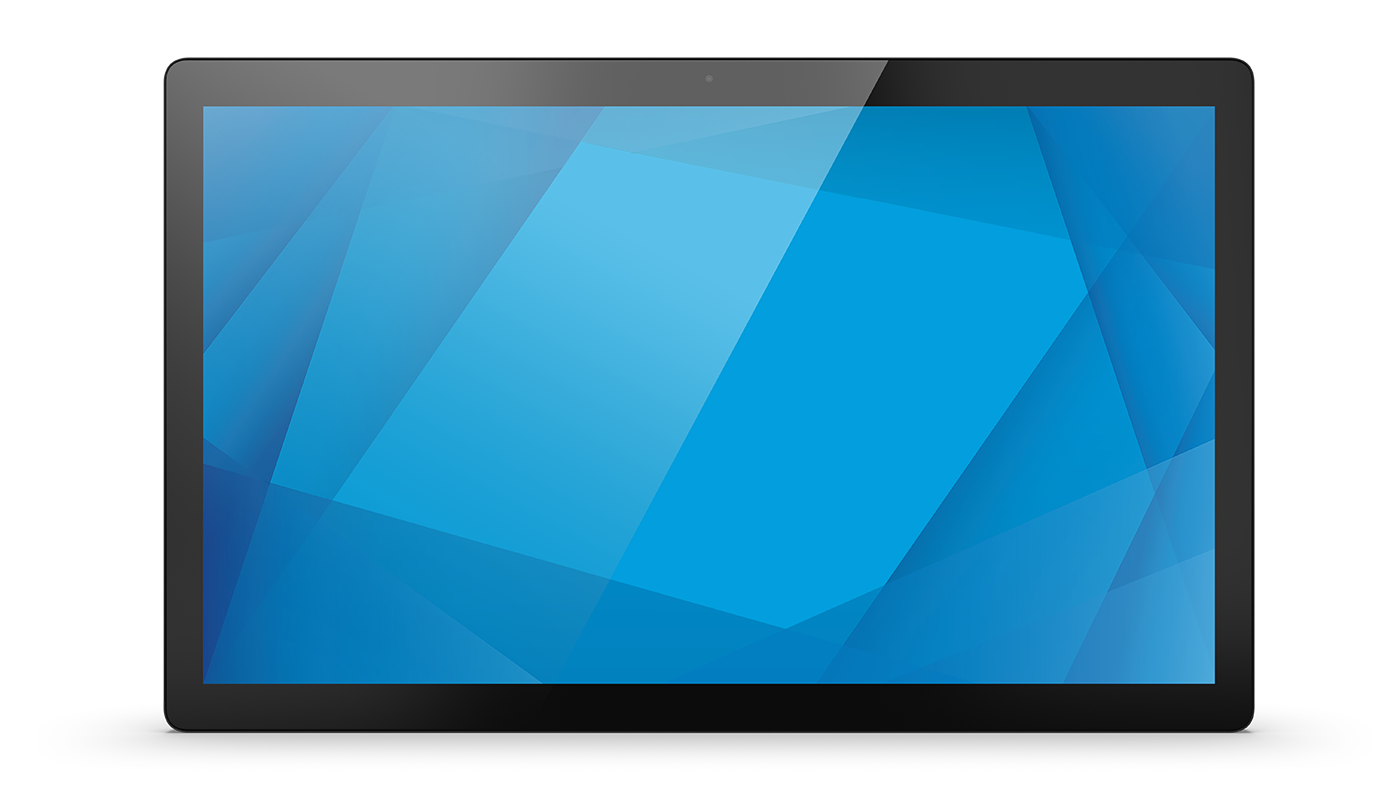 03 / 2 units
22-inch Android display allowance with manufacturer power supply. One per station, with wired network and a kitchen-safe mounting position away from heat, grease spray and washdown. Supports the example browser order board; third-party KDS certification is separate.
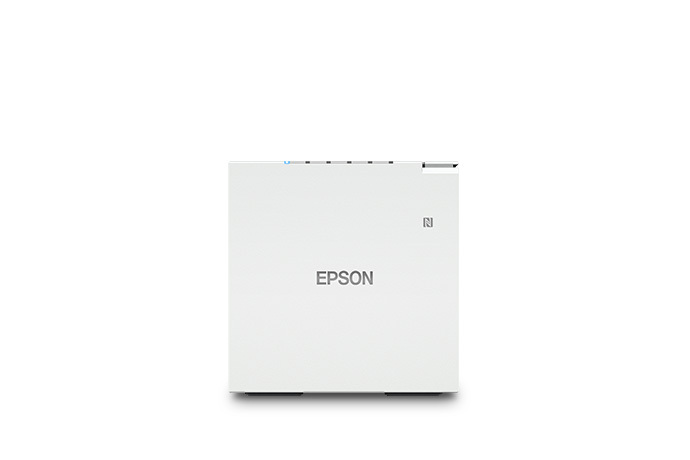 04 / 1 unit
Ethernet configuration with supply and starter paper. Receipt content is generated by the scoped local print service; this is not a payment terminal.
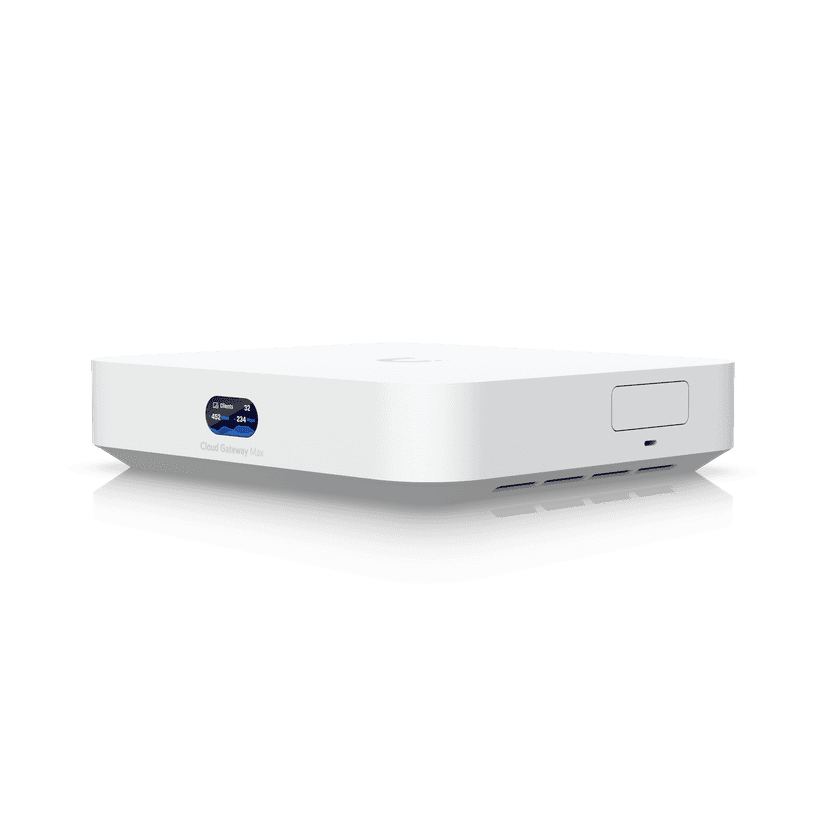 05 / 1 unit
ISP handoff, firewall, network management and staff/guest separation. Only the approved management path can reach the application; guest devices cannot.
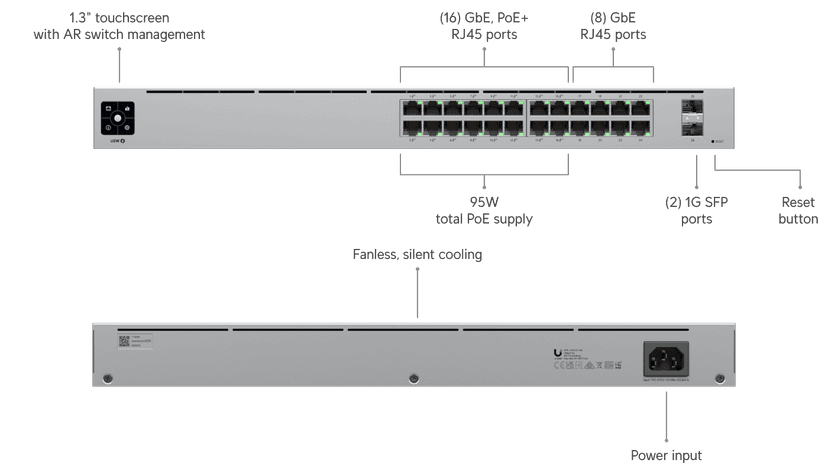 06 / 1 unit
Wired connections for the listed endpoints and 2 access points. AP planning load is 42 W against the switch’s 95 W PoE budget; final port and power schedule is checked before install. This example uses 1 Gb switching.
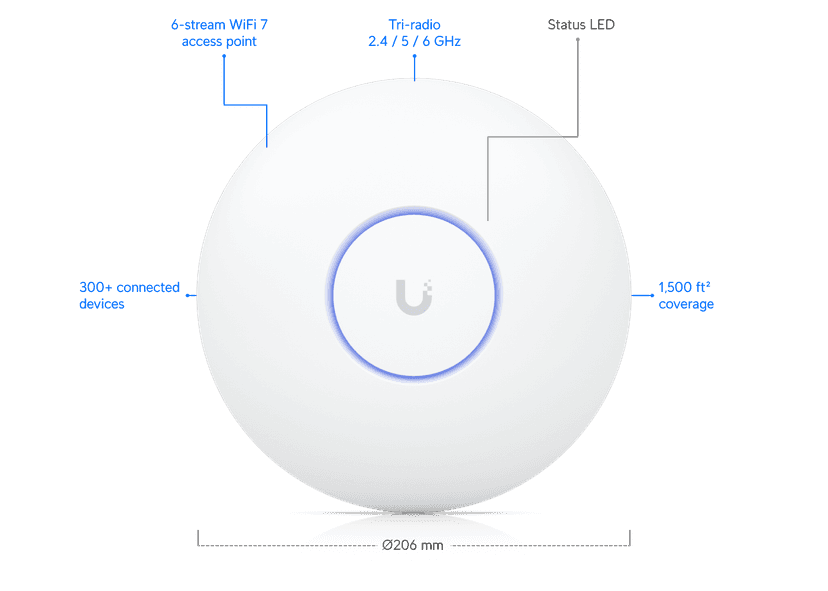 07 / 2 units
Ceiling-mounted access points with wired uplinks. These are proposed locations, not an RF coverage prediction. Survey, roaming and actual device signal tests determine final placement.
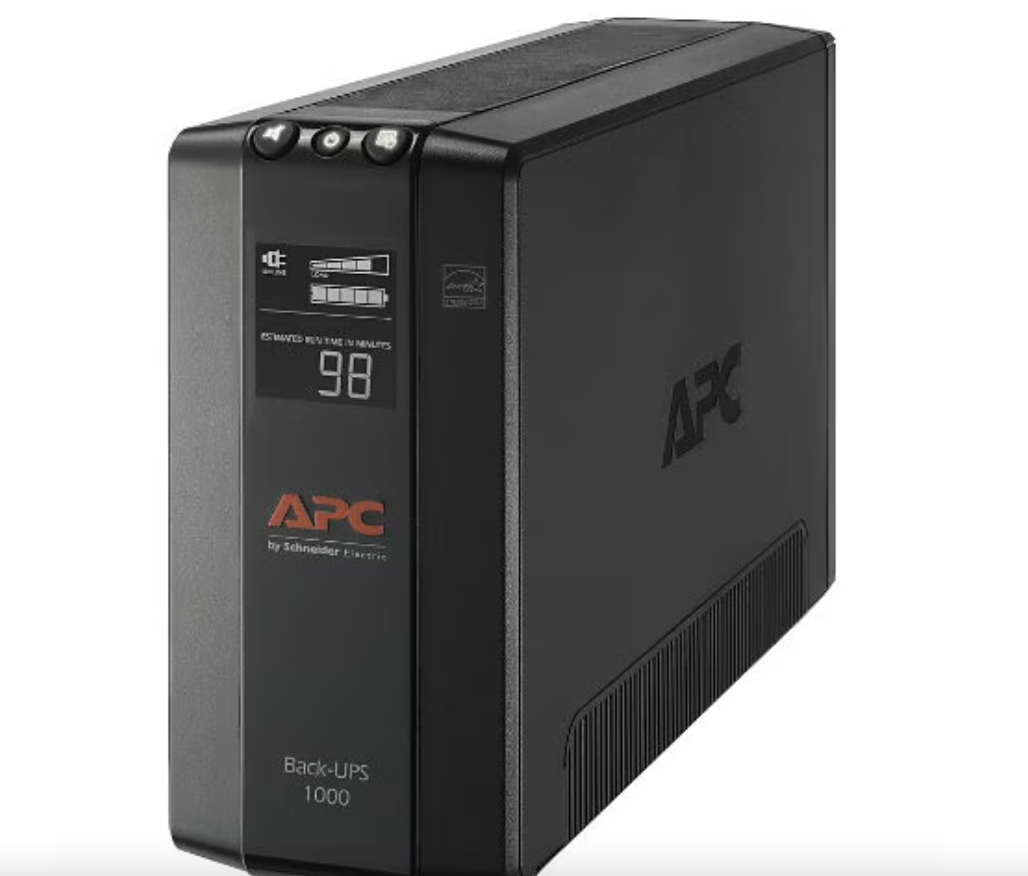 08 / 1 unit
Protects the server and core network long enough for the measured shutdown plan. Load, plug count, signaling compatibility and runtime are tested; no all-day operation or automatic failover is promised.
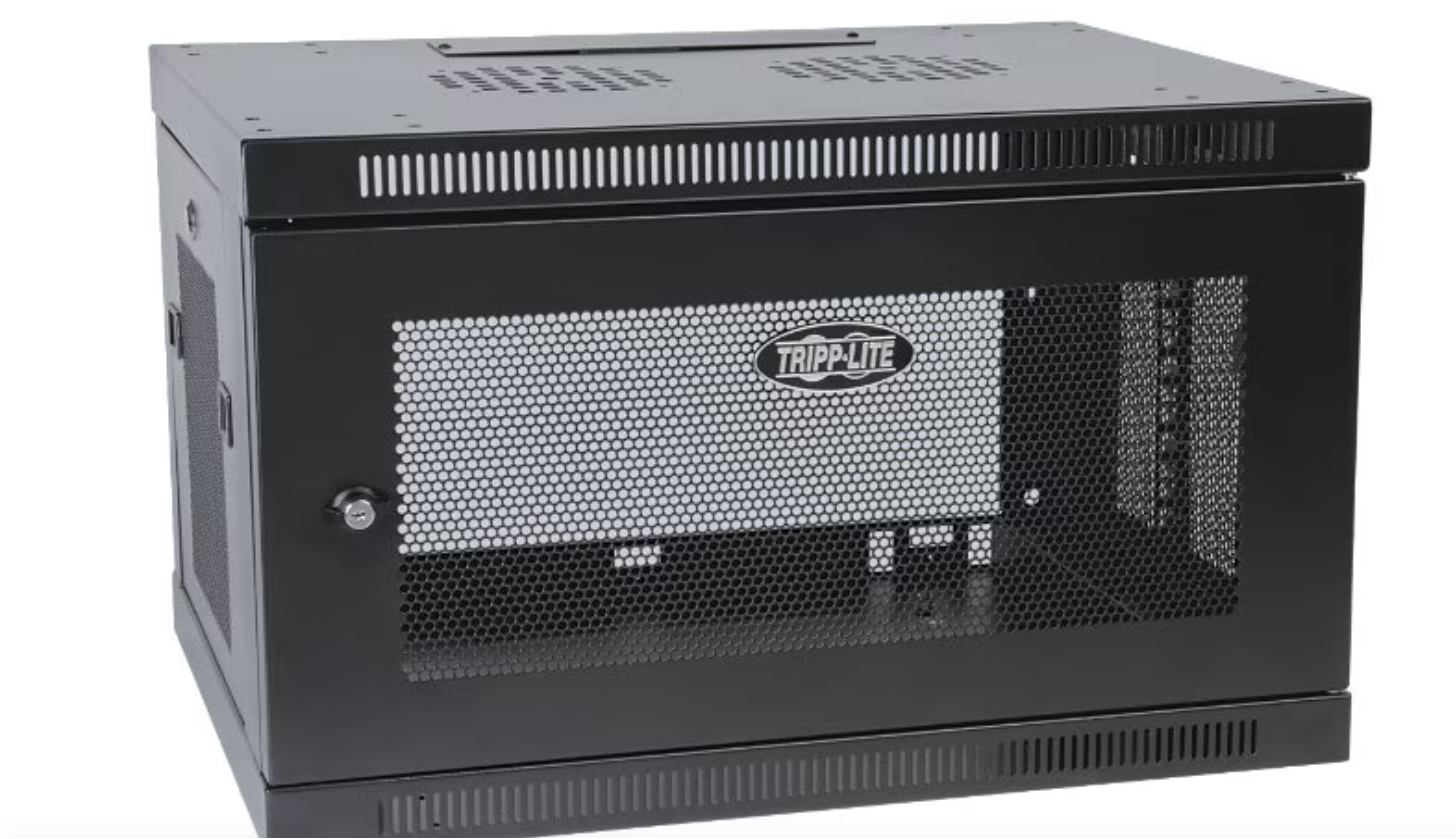 09 / 1 unit
Wall-mounted network enclosure for switch, patching and accessories. The tower server and tower UPS stand separately in the same secured room. Mounting substrate, device depth, airflow and cable bend space require field verification.
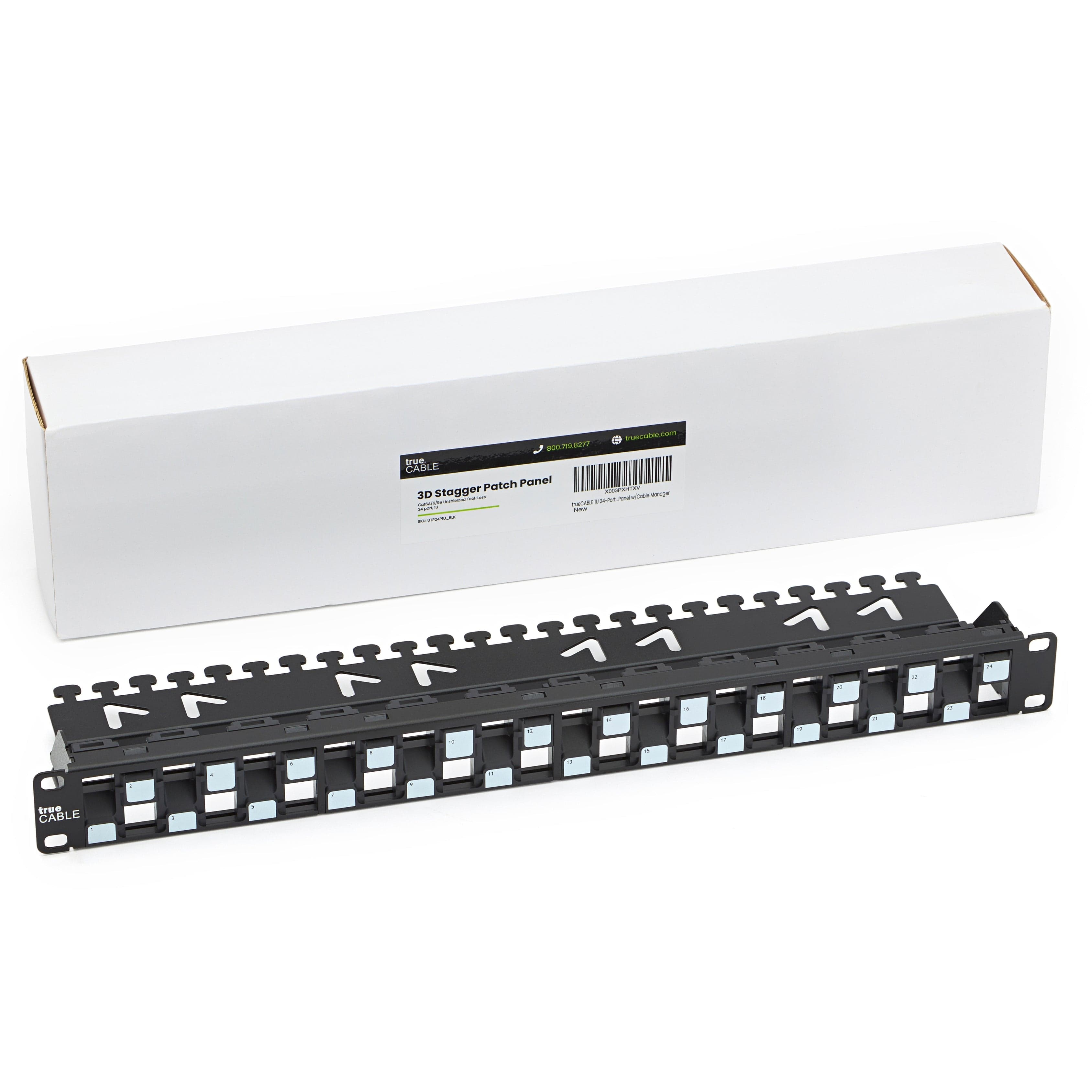 10 / 1 unit
Labeled modular patch panel. Matching jacks, patch cords and supports are included in the materials allowance below.
Customer budget allowance for cable, two jacks per link, patch cords, faceplates, labeling, pathway supports and ordinary firestop. Average 100 ft run, accessible indoor routes, maximum permanent-link length 90 m. Labor is listed separately.
Two display mounts, approved power distribution, small network shelf and starter receipt paper. Exact mounts, clearances and circuits follow the site survey.
24 technician-hours × $125/hr. Mounting, cable runs, termination, labels and link test records. Person-hours, not elapsed days.
16 lead-technician hours × $155/hr. OS staging, device profiles, network separation, backup setup and cutover checks.
160 development hours × $125/hr. One scoped pilot application, three permission roles, the described CSV interface, audit history, dashboard, deployment and acceptance fixes. This is a defined first release.
8 technician-hours × $125/hr. Two staff sessions, an administrator session, operating notes and a witnessed recovery exercise.
8 coordination hours × $85/hr. Confirm scope, schedule, access, device assignments and the handover record.
Illustrative allowance for local transport and delivery, normal weekday work and no overnight stay. The actual job address and shipment plan set the final travel charge.
Illustrative monthly allowance for up to 250 GB retained backup data. Provider, retention and actual storage/transfer charges are confirmed in the agreement.
Illustrative service allowance: scheduled OS/application maintenance, backup checks and up to one hour of remote support monthly during business hours. No 24/7 response or additional development included.
Already supplied by the customer: internet service, usable power circuits, a secure ventilated IT room and any existing business-system subscriptions. Their charges are not included in the monthly total. Expanded support, third-party connector fees and additional development require a separate scope.
Merchant fees, payment terminals, delivery marketplaces, loyalty and certified POS/payment-provider connectors are outside this example. Forecasts are planning suggestions, with manager review.
The schedule assumes approved screen designs, clean data, available hardware, accessible routes and normal weekday access. Electrical work, permits, lifts, demolition, unusual construction and additional locations are separately scoped.
To price your implementation, bring a floor plan, staff/device counts, a sample export and your priorities. Glass Tech confirms the bill of materials, software rules, acceptance checks and fixed scope before installation.
A printer, kitchen display, access point, or network dependency can slow ordering and fulfillment even when the internet is technically up.
Guest Wi-Fi, payment, staff devices, media, delivery tablets, and operations need deliberate capacity and separation.
Equipment, mounts, pathways, configuration, and vendor responsibilities must be resolved before the shutdown window begins.
Every layer is scoped with its purpose, dependencies, administrator, acceptance evidence, and change boundary. Select systems can stand alone; integrated programs share one site plan and closeout.
Connected ordering, payment, kitchen, pickup, drive-through, service-desk, and receipt workflows with clear network boundaries.
A documented physical layer for workstations, phones, operational endpoints, cameras, controls, and future expansion.
Wireless coverage designed around people, handhelds, scanners, tablets, operational devices, and approved visitor access instead of a residential router model.
Customer-facing menus, promotions, wayfinding, dashboards, room displays, and video walls built as an operable system rather than a loose screen installation.
Camera placement, recording, viewing, and retention planned around the decisions the footage must support.
Repeatable handoffs between devices, software, alerts, schedules, and staff so routine work does not depend on someone noticing it manually.
These are current Glass Tech catalog planning prices for standard scope. They show the hardware class, included installation, and recurring platform cost when applicable. Site conditions, pathways, quantities, schedule, taxes, licensing term, and verified scope can change the fixed agreement.
Serious Wi-Fi and wired internet for a small space.
Up to ~1,500 sq ft · ~15 devices
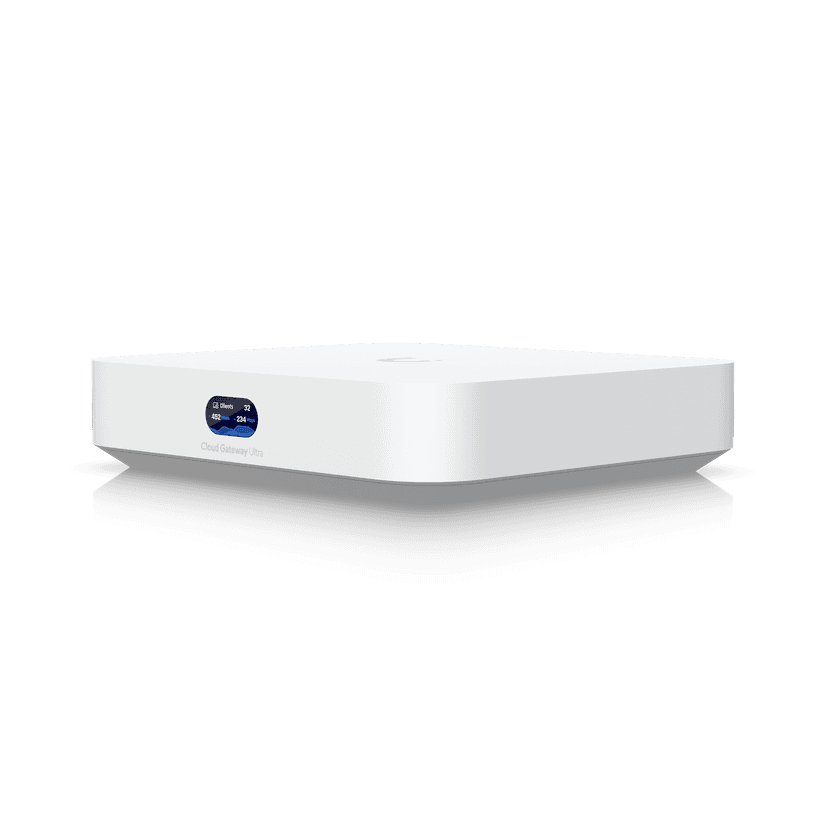 UniFi Cloud Gateway Ultra1 included
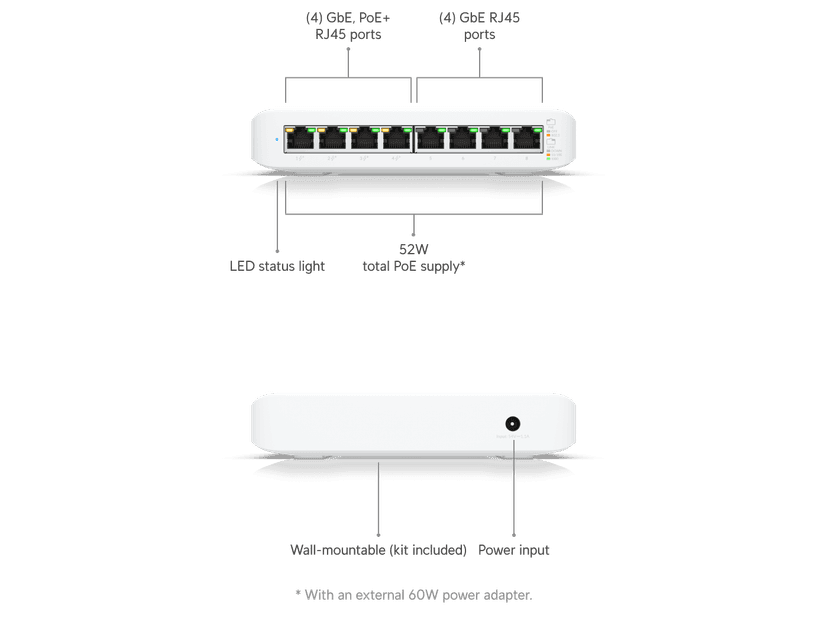 UniFi Lite 8 PoE switch1 included1× UniFi U7 Pro access point1 included
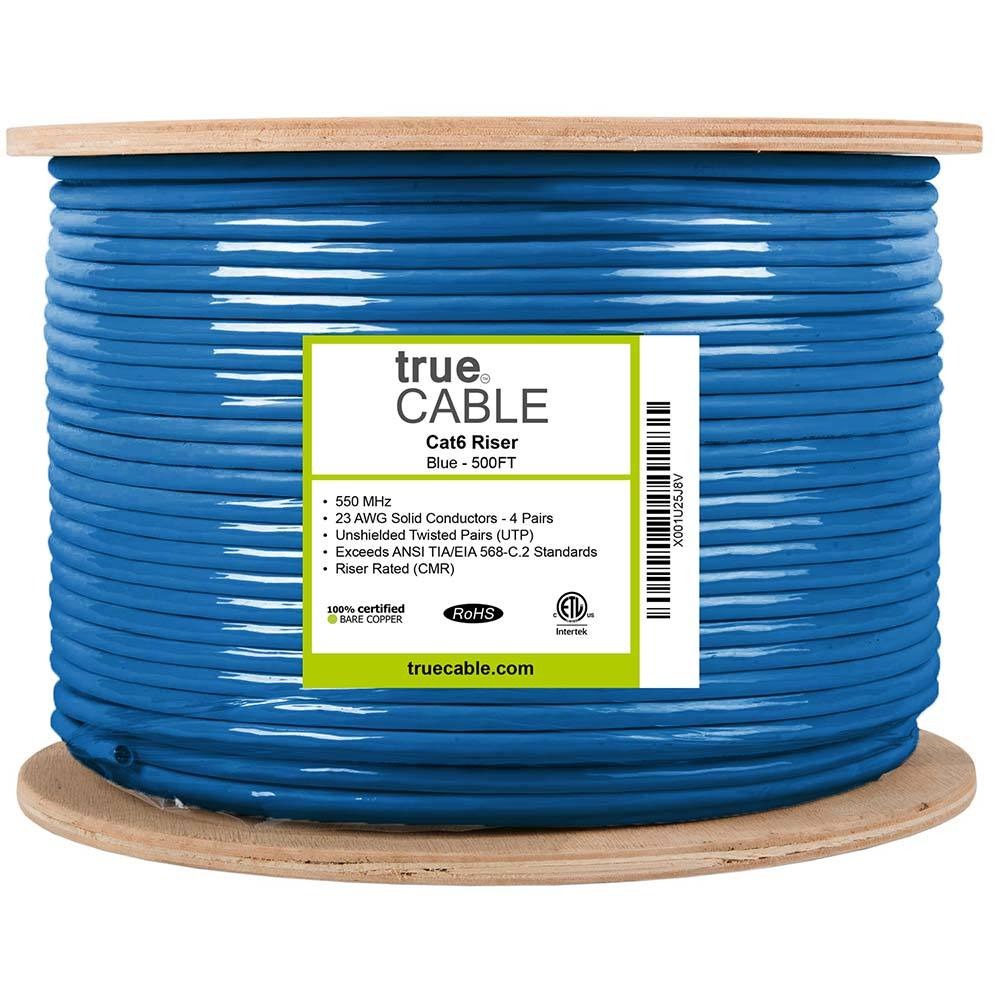 4× Cat6 data drops4 included
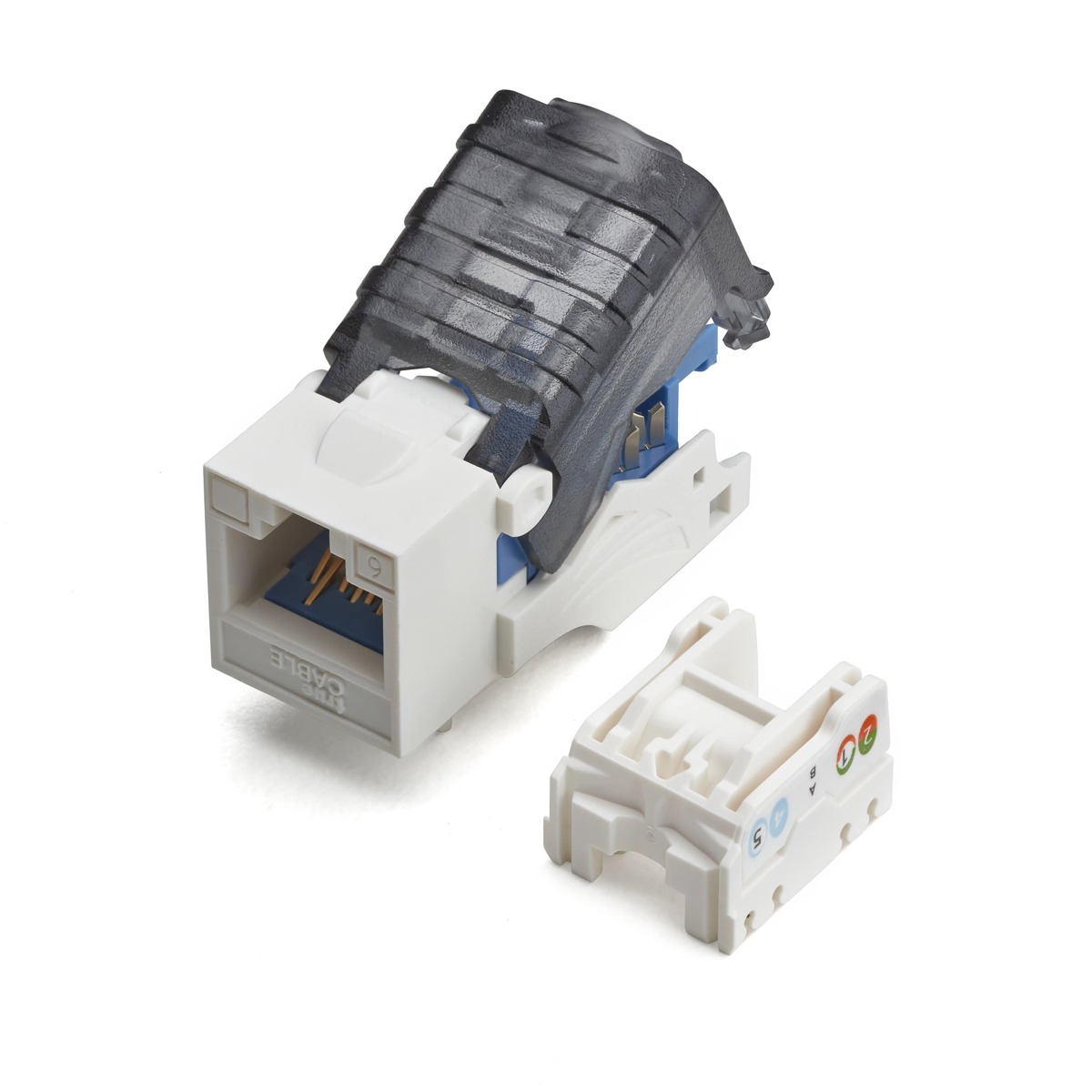 Mounting, patch cables & finish hardware1 scoped set
A proper head-end, clean rack, and wall-to-wall Wi-Fi.
Up to ~4,000 sq ft · ~30 devices
UniFi Cloud Gateway Max1 included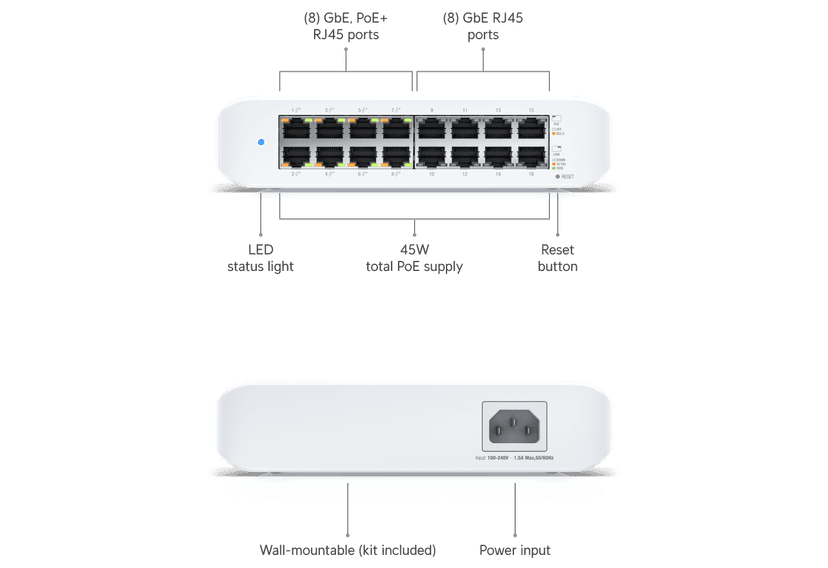 UniFi Lite 16 PoE switch1 included2× UniFi U7 Pro access points2 included8× Cat6 data drops8 included6U wall-mount rack + 24-port patch panel1 scoped set
Whole-building coverage you own outright.
Up to 8 cameras · ~6,000 sq ft
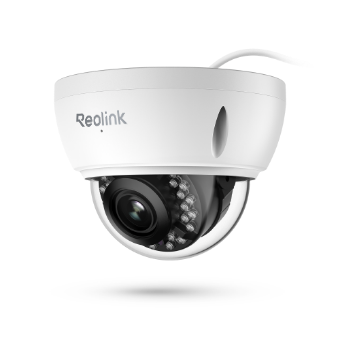 8× Reolink RLC-842A camera8 included
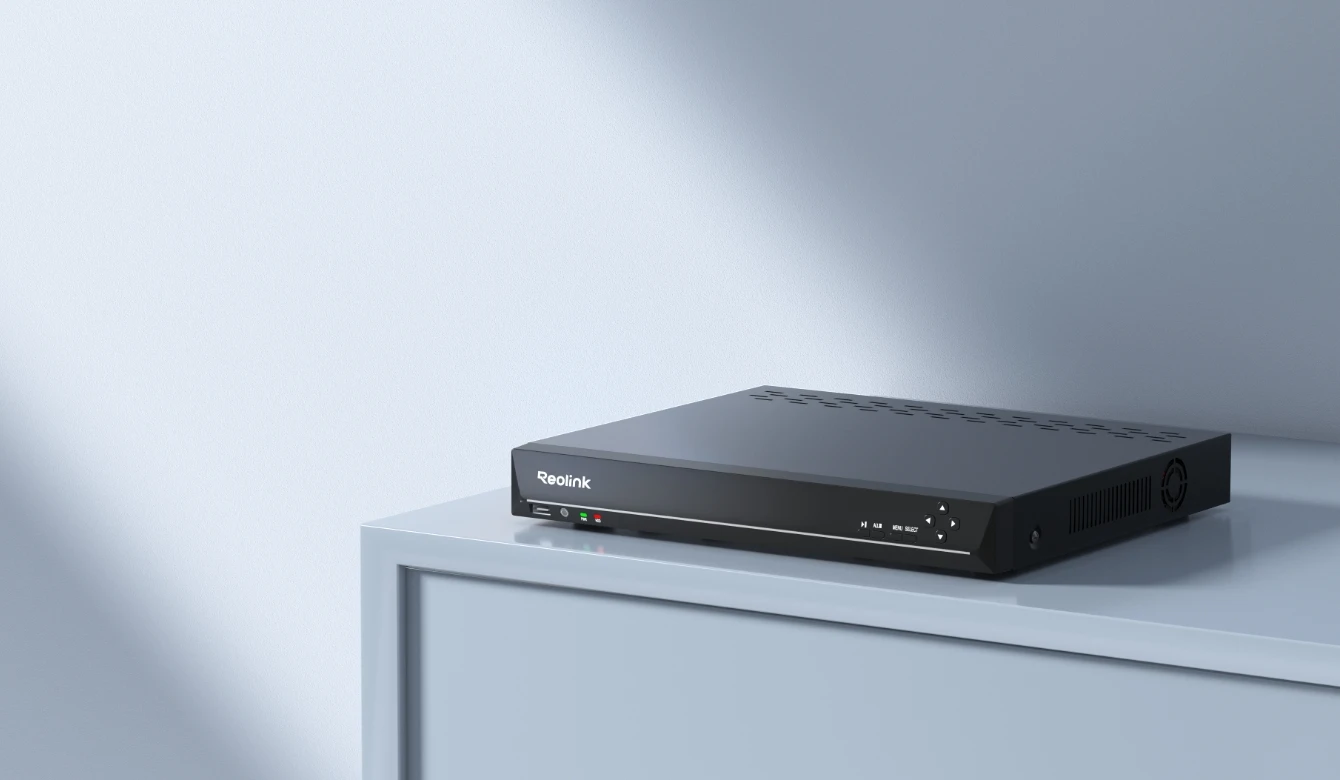 Reolink RLN16-410 NVR1 included8× Cat6 data drops8 included
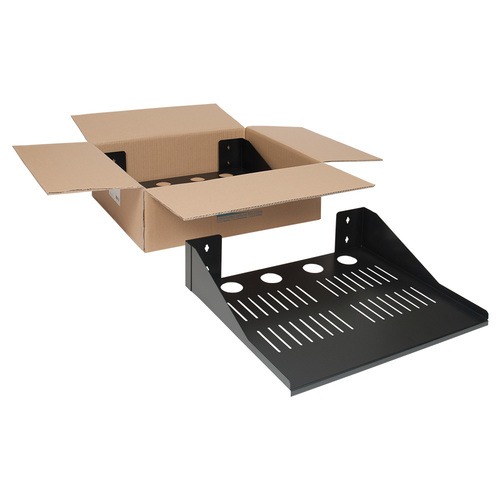 Wall-mount rack shelf1 includedMounting, patch cables & finish hardware1 scoped set
Unit prices are planning references attached to the current catalog. Quantities and compatibility are validated before agreement.
Catalog items below that amount remain useful planning references. Targeted industry programs are built around the complete operational outcome, not an isolated device. Custom media displays, inventory, ordering, automation, AV, fiber, and OT systems are quoted after their real dependencies are mapped.
Your planning price covers the agreed equipment, installation, project coordination, travel, testing, and handover. Site conditions, access windows, integrations, and responsibilities are confirmed before the final scope and price are agreed.
Price the facilityConfirm the organization, site, current condition, desired outcome, stakeholders, timing, and decision path.
Validate pathways, devices, counts, dependencies, work windows, customer responsibilities, and acceptance criteria.
Fix the scope, products, exclusions, schedule, change boundary, payment milestones, and material plan.
Protect live operations, coordinate access, communicate milestones, test work, and preserve rollback where required.
Deliver labels, results, photos, as-builts, credentials through an approved secure path, training, warranty terms, and the next owner.
Tell us the site, the workflow, what is failing now, and the outcome that matters. We will turn it into a planning path with visible assumptions and product options.