
Network operations and monitoring
Useful alerts, routed to people who can actCovered assets and services connect to health checks, telemetry, thresholds, tickets, escalation, authorized actions, change records, and review.
What Network operations and monitoring includes
A monitoring platform can observe availability, latency, interface state, capacity, power, temperature, wireless, security, configuration, logs, and application or service checks. Useful monitoring begins with an accurate asset and service map so a device alert can be interpreted in operational context.
Monitoring is not the same as remediation or continuous staffing. Covered hours, telemetry, retention, alert severity, acknowledgement, escalation, response target, remote action, dispatch, third-party coordination, and exclusions must be defined by contract.
Question to answer before designWhich service condition matters, what signal represents it, who receives it during the contracted coverage window, and what action is authorized?
This service may fit when:
- Users report outages before the infrastructure team sees them
- Alerts are noisy, duplicated, stale, or not tied to a service owner
- Device inventory, support status, topology, or escalation contacts are incomplete
- No one reviews recurring incidents, capacity, configuration drift, or unresolved risk
What the system includes
A complete scope covers each part below and the connections between them.
Assets and services
Devices, sites, links, power, wireless, dependencies, owners and criticality
Telemetry
Health checks, metrics, events, logs, configurations, timestamps and data quality
Decision
Baseline, threshold, persistence, correlation, severity, suppression and maintenance mode
Action and evidence
Ticket, acknowledgement, escalation, authorized change, dispatch handoff, review and audit
How site information becomes a tested project
A complete project record connects the conditions found on site, the design decisions made from them, and the tests and closeout documents delivered afterward.
What we confirm before design
- Covered sites, assets, services, dependencies, criticality, owners, and support state
- Telemetry sources, access method, polling or event intervals, time, retention, and data location
- Baseline, threshold, persistence, severity, maintenance windows, and suppression rules
What those findings determine
- Coverage: Hours, holidays, channels, and response targets must be stated in the contract.
- Telemetry: Collect only data that supports an owned decision, policy, or trend.
- Response: Define authority, limits, confirmation, rollback, cost approval, and evidence.
What you should receive
- Contract-scoped asset, service, owner, and dependency inventory
- Monitoring, alert, severity, escalation, action, and exclusion catalog
- Dashboard, ticket, notification, maintenance, and retention configuration record
The exact inputs, decisions, and acceptance records depend on the site and signed scope.
Project stagesSurvey through closeoutView details
How the work moves from survey to closeout
Each stage should produce the records and test results needed before the next stage begins.
- 01
Establish monitored truth
Inventory covered assets, services, owners, dependencies, sites, versions, support status, telemetry sources, access, time, contacts, and existing incident history.
EvidenceContract-scoped asset and service inventory, dependency map, access record, baseline, coverage window, and contact matrix. - 02
Design signal and response
Define checks, collection intervals, thresholds, persistence, suppression, dependencies, severity, ticket routing, acknowledgement, escalation, authorized actions, and retention.
EvidenceMonitoring and alert catalog, severity and escalation matrix, response targets as contracted, dashboard plan, and exclusion list. - 03
Onboard and tune
Configure supported collection, protect credentials, normalize names and time, establish dashboards and tickets, simulate events, and tune noise against observed baselines.
EvidenceMonitored-asset readback, credential-owner record without secret values, test alerts and tickets, baseline report, and tuned exceptions. - 04
Operate and improve
Handle events within the contracted coverage and authority, preserve notes and changes, review false and missed alerts, track recurring conditions, and update the monitored inventory.
EvidenceSample alert-to-ticket timeline, acknowledgement and escalation evidence, change record, recurring-issue review, and updated asset coverage report.
Design choicesCompare the available approachesView details
How to choose the right approach
The right choice depends on the site, application, operating risk, and acceptance requirements. More equipment does not automatically improve the system.
What we need to know
- Covered sites, assets, services, dependencies, criticality, owners, and support state
- Telemetry sources, access method, polling or event intervals, time, retention, and data location
- Baseline, threshold, persistence, severity, maintenance windows, and suppression rules
- Contracted coverage window, channels, response targets, escalation, authority, and exclusions
- Ticketing, remote action, vendor handoff, dispatch boundary, reporting, review, and change process
What you should receive
- Contract-scoped asset, service, owner, and dependency inventory
- Monitoring, alert, severity, escalation, action, and exclusion catalog
- Dashboard, ticket, notification, maintenance, and retention configuration record
- Test alert-to-ticket-to-escalation evidence
- Baseline and recurring-issue reports, coverage readback, and operating runbook
When this service makes sense
- Organizations with identified network, wireless, power, and service dependencies
- Multi-site environments that need consistent asset and alert ownership
- Teams that can grant appropriate read or limited action access and define escalation
- Operations prepared to maintain contact, change, licensing, and lifecycle records
What we verify first
- Monitoring cannot guarantee availability, detect every fault, or repair a condition outside granted access, authority, support, or service scope
- Coverage windows, response targets, escalation, remote actions, vendor coordination, and dispatch are contract-specific; they must not be implied
- Encrypted, proprietary, legacy, or unsupported systems may expose limited telemetry or control
- Thresholds require tuning, asset inventories require maintenance, and maintenance windows must suppress expected changes without hiding real faults
Site contextSee where this work is usedView details
How site conditions change the design
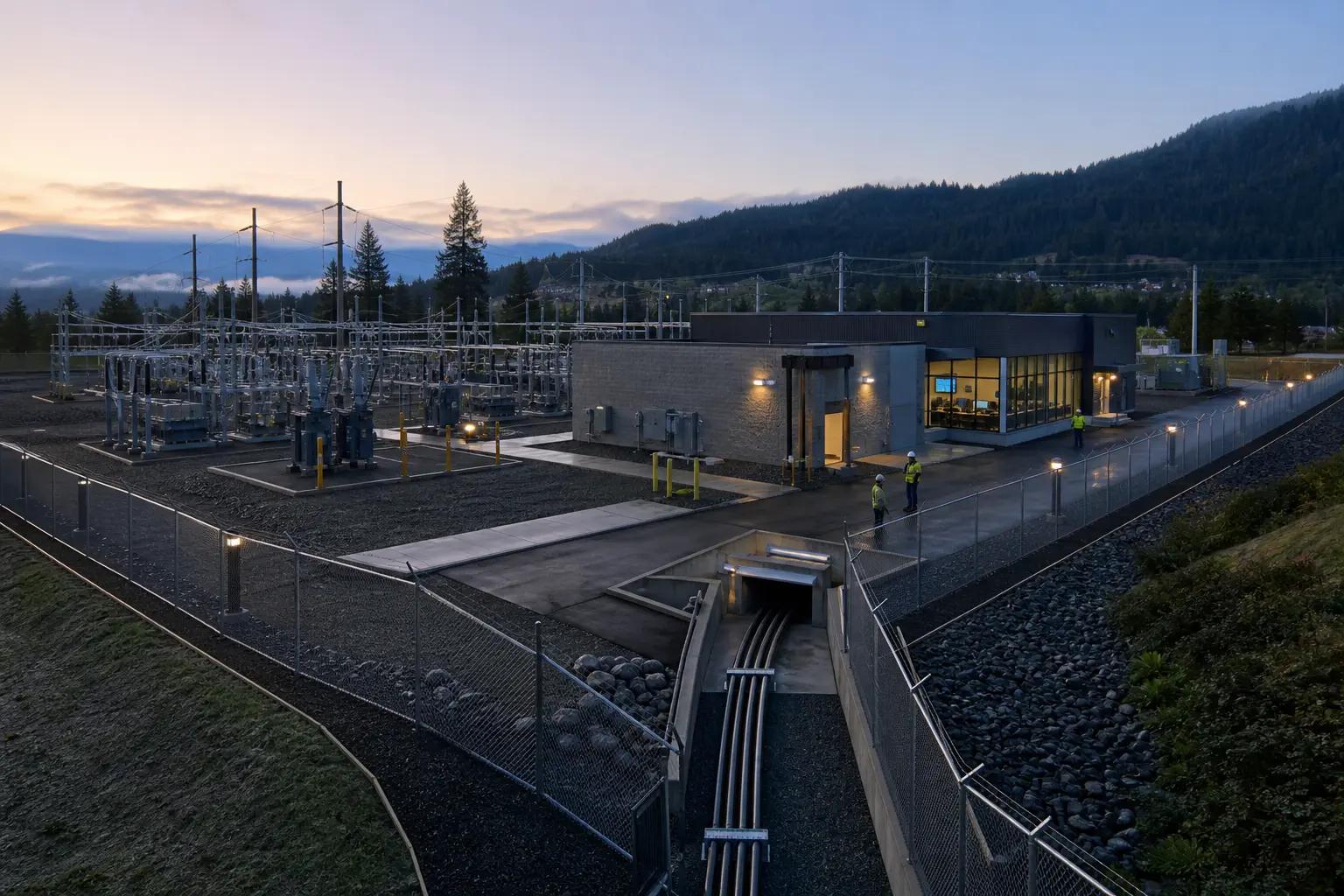
Occupancy, operating hours, user activity, regulation, weather, construction, and access can change the design.


What people usually ask
Does network monitoring mean 24/7 support?
No. The contract must state the coverage window, holidays, notification channels, acknowledgement or response targets, escalation, authorized work, and exclusions. A platform collecting data continuously does not imply continuous staffing.
What should be monitored first?
Start with the services whose loss affects operations, then map their links, gateways, switches, wireless, power, DNS, identity, internet, applications, and other dependencies. Monitor signals that lead to a clear action.
Can monitoring make changes automatically?
Only for explicitly approved, limited, auditable actions with safe preconditions, rate limits, confirmation, rollback, and escalation. Notification or human approval is often the safer first stage.
Standards and referencesReview the source materialView details
Sources used for this guide
These references inform the guide. The adopted code, engineer of record, authority having jurisdiction, manufacturer instructions, and signed agreement control the project.
Provides strategy and program guidance for visibility into assets, threats, vulnerabilities, controls, and timely risk response.
Open reference ↗National Institute of Standards and Technology · reviewed 2026-08-20Cybersecurity Framework 2.0Organizes risk outcomes across Govern, Identify, Protect, Detect, Respond, and Recover and supports profile-based prioritization.
Open reference ↗Cybersecurity and Infrastructure Security Agency · reviewed 2026-08-20Cross-Sector Cybersecurity Performance GoalsProvides voluntary, measurable, high-impact practices for IT and OT security outcomes.
Open reference ↗