
Data-center infrastructure management
A model of the floor you can trustSites, rooms, racks, assets, ports, circuits, and sensors get normalized, supported data sources connect, and physical changes gain a defined path into the model.
What Data-center infrastructure management includes
A DCIM platform is only useful when rack, asset, port, circuit, and sensor identifiers match the floor and every physical change updates the record.
A staged rollout usually starts with one use case, such as rack inventory, power capacity, or environmental alarms, then expands after data quality and support ownership are proven.
Question to answer before designWhich source controls each record, what decision will the data support, and who updates it after a physical change?
This service may fit when:
- Rack, asset and port records disagree across systems
- Power or space capacity is estimated manually
- Environmental alarms lack location or escalation context
- A DCIM platform exists but operational adoption is low
What the system includes
A complete scope covers each part below and the connections between them.
Sources
Assets, ports, power, sensors, network and facility systems
Normalization
Identifiers, relationships, units and data-quality rules
DCIM model
Physical hierarchy, capacity, connectivity and telemetry
Operations
Alarms, reports, planning, work orders and change reconciliation
How site information becomes a tested project
A complete project record connects the conditions found on site, the design decisions made from them, and the tests and closeout documents delivered afterward.
What we confirm before design
- Priority operational use cases and success measures
- Current systems, exports, APIs and data owners
- Physical hierarchy and identifier conventions
What those findings determine
- Starting scope: Begin with the use case that has an owner and reliable source data.
- Collection: Automate only after identifier matching and error handling are defined.
- Accuracy: Assign who closes the loop after every physical change.
What you should receive
- DCIM data and integration architecture
- Naming/identifier and field dictionary
- Normalized import with exception report
The exact inputs, decisions, and acceptance records depend on the site and signed scope.
Project stagesSurvey through closeoutView details
How the work moves from survey to closeout
Each stage should produce the records and test results needed before the next stage begins.
- 01
Use case and source
Choose the decisions to support and identify system owners and sources of record.
EvidenceUse-case charter, field dictionary and ownership matrix - 02
Model and normalize
Define site, room, row, rack, asset, port, circuit, sensor and relationship identifiers.
EvidenceData model, naming rules and import/reconciliation report - 03
Integrate and validate
Connect supported APIs, telemetry and imports; compare samples against physical state.
EvidenceIntegration map, validation sample and error/exception log - 04
Operationalize
Build roles, alarms, reports and change procedures around maintained data.
EvidenceRunbook, role matrix, dashboard acceptance and update audit
Design choicesCompare the available approachesView details
How to choose the right approach
The right choice depends on the site, application, operating risk, and acceptance requirements. More equipment does not automatically improve the system.
What we need to know
- Priority operational use cases and success measures
- Current systems, exports, APIs and data owners
- Physical hierarchy and identifier conventions
- Telemetry protocols, units, intervals and retention
- Roles, change process, alarm routing and security boundary
What you should receive
- DCIM data and integration architecture
- Naming/identifier and field dictionary
- Normalized import with exception report
- Validation and reconciliation results
- Operations runbook, dashboards and ownership matrix
When this service makes sense
- New DCIM deployment or platform migration
- Inventory and naming normalization
- Power/environmental telemetry integration
- Operational workflow and dashboard enablement
What we verify first
- Incomplete or conflicting source records
- Vendor/API coverage and licensing
- Credentials, network segmentation and least-privilege access
- Ongoing ownership after adds, moves and removals
Site contextSee where this work is usedView details
How site conditions change the design
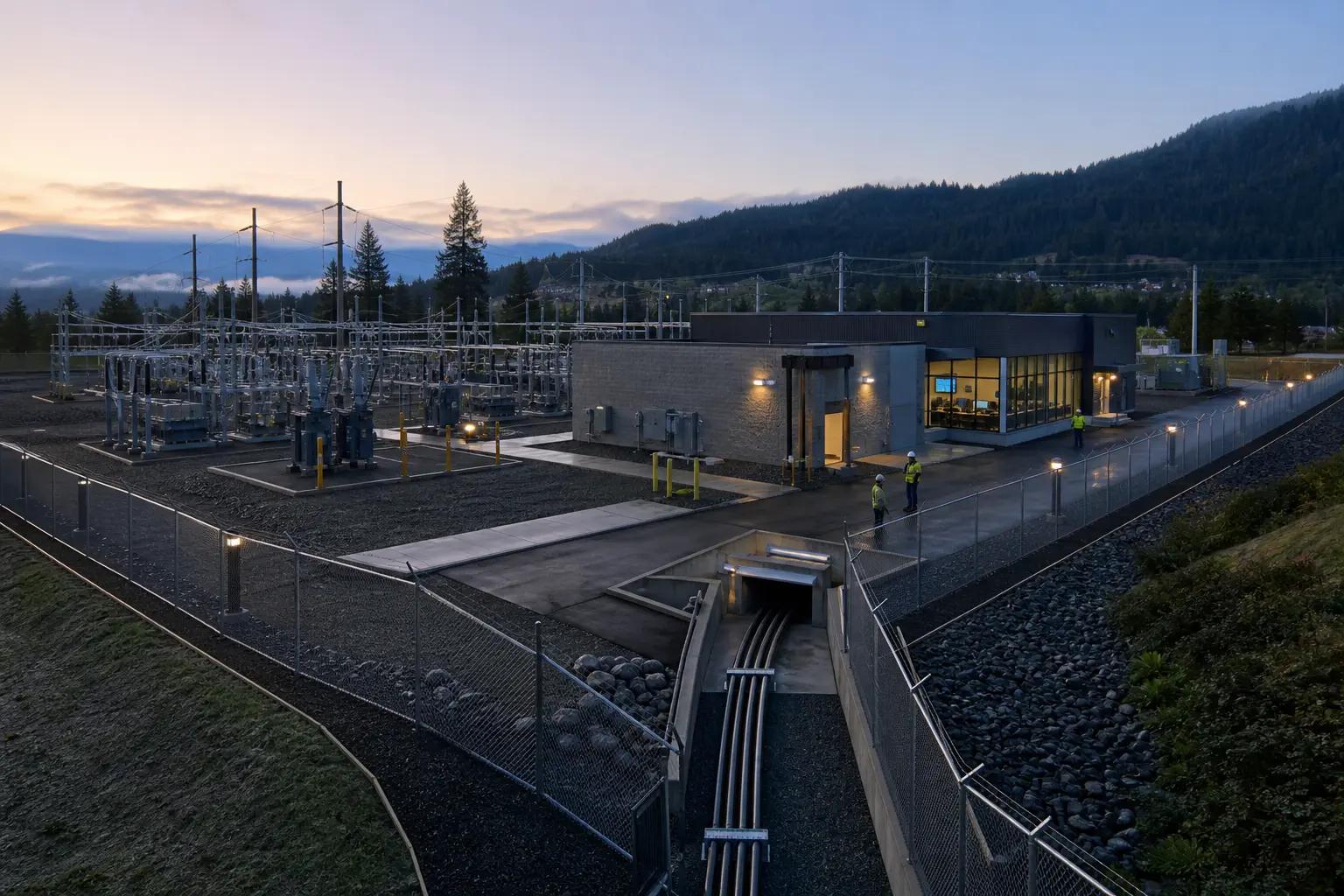
Occupancy, operating hours, user activity, regulation, weather, construction, and access can change the design.

What people usually ask
Is DCIM the same as network monitoring?
No. Network monitoring observes device and service behavior. DCIM models physical infrastructure, capacity, connectivity, power and environmental context; the systems may exchange data.
Should every integration be automated at launch?
Usually not. First prove identifiers, source authority, data quality, and exception handling with one limited use case, then automate stable flows.
What keeps a DCIM model accurate?
A change process that assigns record updates, validates critical fields against physical state and audits unresolved exceptions. Software alone cannot maintain site truth.
Standards and referencesReview the source materialView details
Sources used for this guide
These references inform the guide. The adopted code, engineer of record, authority having jurisdiction, manufacturer instructions, and signed agreement control the project.
Open standard and data models for interoperable management and telemetry across data-center equipment.
Open reference ↗Telecommunications Industry Association · reviewed 2026-08-20TIA-942: Telecommunications Infrastructure Standard for Data CentersCovers data-center telecommunications infrastructure, topology and related facility coordination.
Open reference ↗BICSI · reviewed 2026-08-20BICSI Library of ICT Manuals and StandardsOfficial index for ICT installation, outside-plant, WLAN, DAS, data-center and bonding/grounding references.
Open reference ↗ASHRAE · reviewed 2026-08-20Data Center ResourcesOfficial technical hub for data-center thermal, cooling, power and environmental guidance.
Open reference ↗