
Inventory workflows
Capture the movement where the movement happensReceiving, put-away, picking, transfer, count, sale, return, and disposal connect through identifiers, labels, scanners, printers, handhelds, wireless coverage, software transactions, and exception handling.
What Inventory workflows includes
Inventory technology can use linear or two-dimensional barcodes, labels, mobile computers, fixed scanners, printers, scales, cameras, or RFID. The right method follows item identity, unit level, read distance, throughput, environment, human workflow, data standard, and system integration.
Infrastructure is only one layer. Master data, identifier governance, label quality, transaction design, user roles, reconciliation, and exception ownership determine whether scan events improve inventory truth.
Question to answer before designAt which physical step does the record become wrong, and what identifier, device, connection, and exception action are available there?
This service may fit when:
- Receiving, transfers, counts, or picks are re-keyed after the physical work
- Labels are unreadable, duplicated, ambiguous, or not tied to a location standard
- Handhelds lose coverage at docks, aisles, coolers, yards, or staging areas
- Software reports an item state that operators cannot reconcile to the floor
What the system includes
A complete scope covers each part below and the connections between them.
Identify
Item, asset, location, logistics unit, person, lot, serial, status
Capture
Barcode, RFID, scanner, printer, handheld, fixed station, camera or scale
Transport and transact
Wireless or wired network, mobile app, validation, offline queue, API
Record and reconcile
ERP, WMS, POS or other system of record, exceptions, counts, audit
How site information becomes a tested project
A complete project record connects the conditions found on site, the design decisions made from them, and the tests and closeout documents delivered afterward.
What we confirm before design
- Critical tracking events, physical path, actors, throughput, and exception types
- Item, unit, lot, serial, asset, location, and logistics identifiers
- Label material, print quality, scan distance, environment, and device ergonomics
What those findings determine
- Carrier: Choose from line of sight, read range, throughput, materials, cost, privacy, and data standard.
- Capture: Automation only helps when stray reads and exception ownership are controlled.
- Connectivity: Define conflict, duplicate, stale record, and lost-device behavior before enabling offline work.
What you should receive
- Current- and future-state inventory workflows
- Identifier, label, location, and data standards
- Device, printer, charging, network, and coverage plan
The exact inputs, decisions, and acceptance records depend on the site and signed scope.
Project stagesSurvey through closeoutView details
How the work moves from survey to closeout
Each stage should produce the records and test results needed before the next stage begins.
- 01
Walk every movement
Observe receiving through disposition, record items, units, locations, roles, identifiers, devices, workarounds, exceptions, latency, and reconciliation points.
EvidenceCurrent-state swimlane, critical-event list, identifier and location inventory, exception log, and coverage observations. - 02
Design identify, capture, share
Choose identifiers and carrier, label and print process, scan points, device type, wireless, transaction fields, validation, integration, and exception ownership.
EvidenceFuture-state workflow, data dictionary, label samples, device and coverage plan, integration map, and acceptance metrics. - 03
Pilot one defined flow
Configure devices, users, printers, labels, transactions, validation, and integration; train a representative group and run controlled inventory.
EvidencePilot labels, scans, system transactions, error samples, training record, and measured exception results. - 04
Prove reconciliation
Test normal, damaged label, duplicate, unknown item, wrong location, offline device, delayed sync, return, reversal, count, and recovery paths.
EvidenceAccepted transaction set, before/after records, exception queue, reconciliation report, device inventory, and operator runbook.
Design choicesCompare the available approachesView details
How to choose the right approach
The right choice depends on the site, application, operating risk, and acceptance requirements. More equipment does not automatically improve the system.
What we need to know
- Critical tracking events, physical path, actors, throughput, and exception types
- Item, unit, lot, serial, asset, location, and logistics identifiers
- Label material, print quality, scan distance, environment, and device ergonomics
- Wireless coverage, charging, mobile-device management, offline behavior, and support
- System of record, API or import path, validation, permissions, reconciliation, and retention
What you should receive
- Current- and future-state inventory workflows
- Identifier, label, location, and data standards
- Device, printer, charging, network, and coverage plan
- Pilot and exception acceptance evidence
- Integration mapping, reconciliation method, operator guide, and asset inventory
Equipment examplesSee relevant hardwareView details
Hardware that may be part of the project
These examples are not a final bill of materials. We confirm compatibility, availability, and the exact model after the requirements are clear.
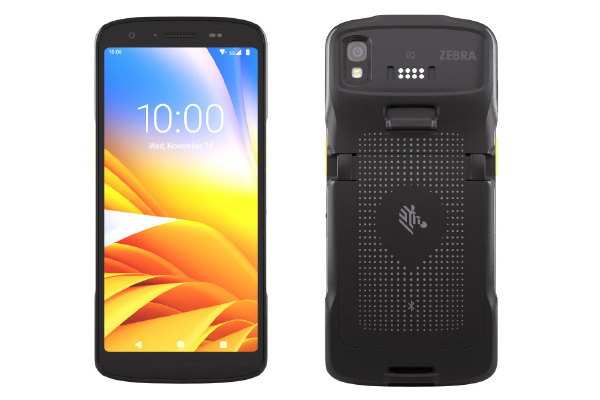
TC22 / TC27
6-inch Android handheld family with removable batteries, IP65/IP68 sealing, and standard or advanced-range barcode scan-engine options; TC22 is Wi-Fi and TC27 adds 5G cellular.
Priced after scope ↗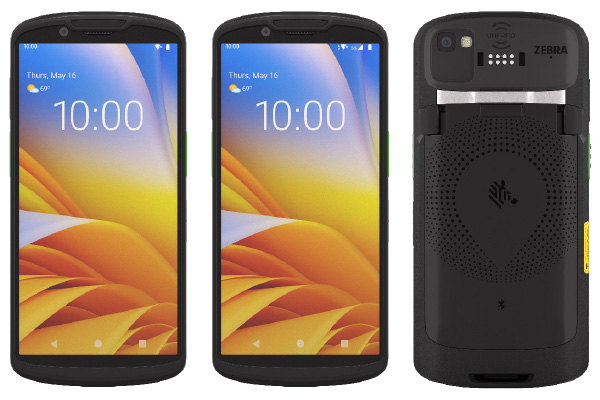
TC53e / TC58e
6-inch rugged Android handheld family with Wi-Fi 6E, Bluetooth 5.3, IP65/IP68 sealing, and selectable barcode scanning; TC53e is Wi-Fi and TC58e adds 5G cellular.
Priced after scope ↗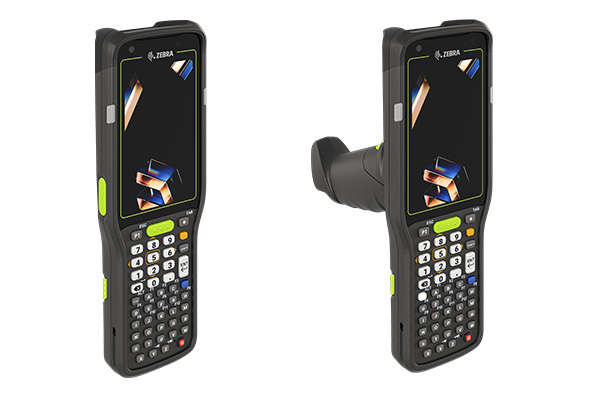
MC3400 / MC3450
Rugged key-based Android mobile computers with straight or gun-style form factors, a 7000 mAh battery, Wi-Fi 6E, IP65/IP67 sealing, and selectable scan range; MC3450 adds 5G data connectivity.
Priced after scope ↗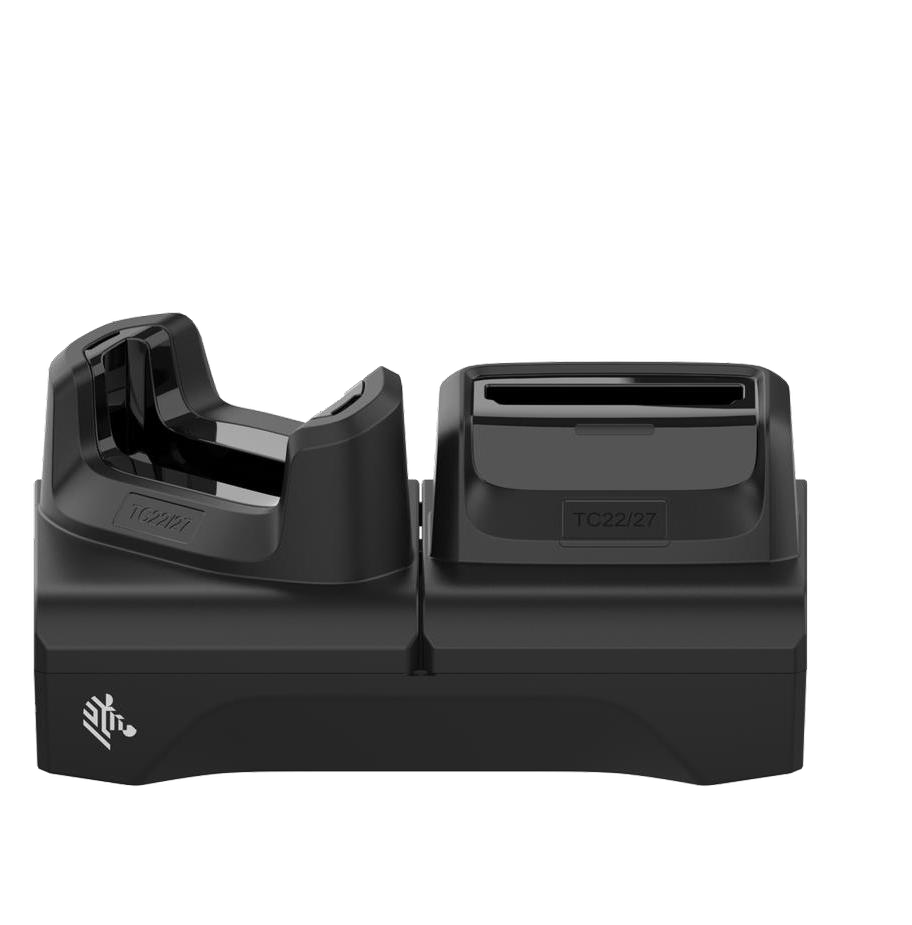
CRD-TC2L-BS11B-01
Single-slot cradle charges one TC22 or TC27 and one spare lithium-ion battery, supporting standard and extended battery capacities.
Priced after scope ↗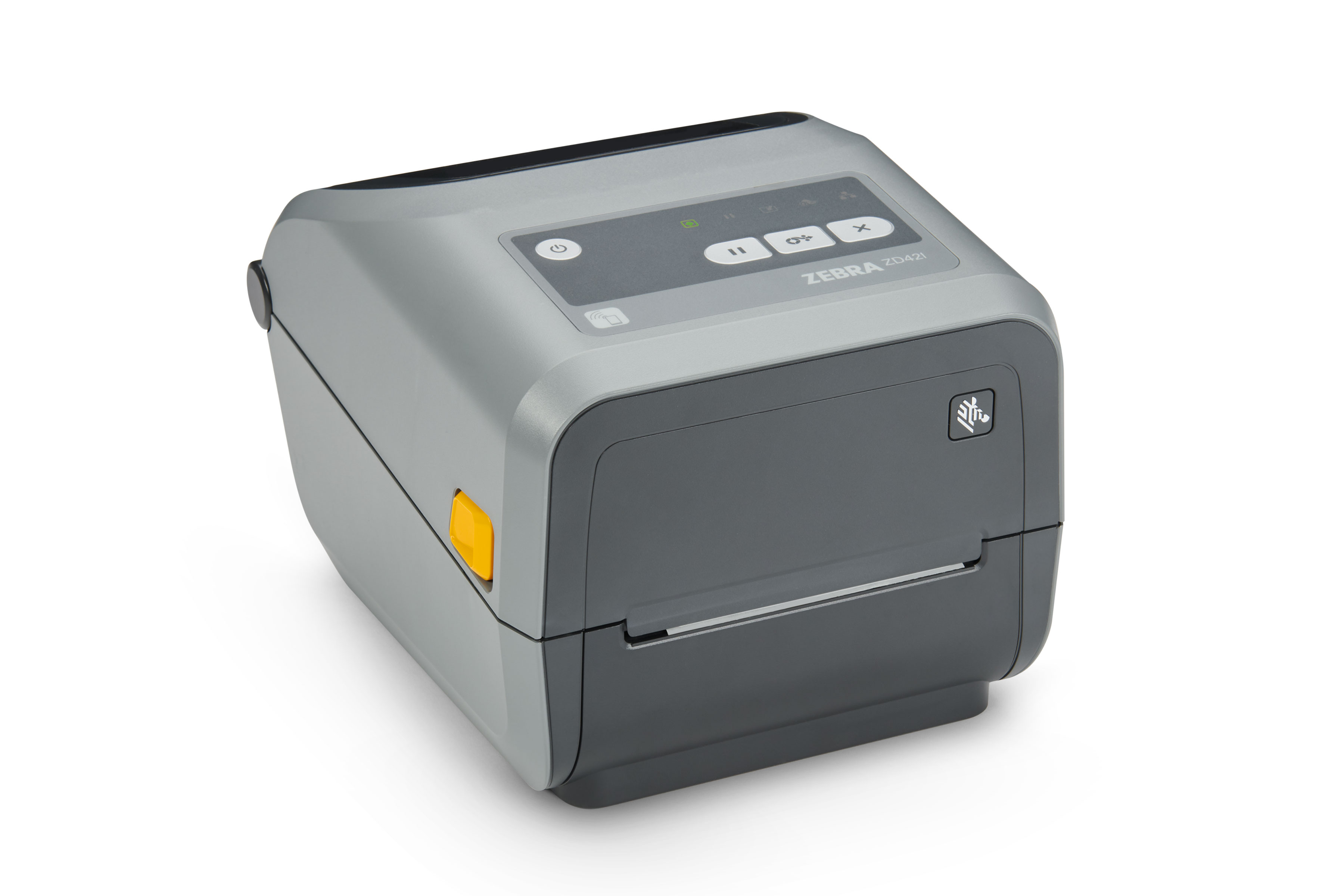
ZD421
4-inch desktop label-printer family with direct-thermal or thermal-transfer configurations, 203 or 300 dpi options, USB, and configurable wired or wireless interfaces.
Priced after scope ↗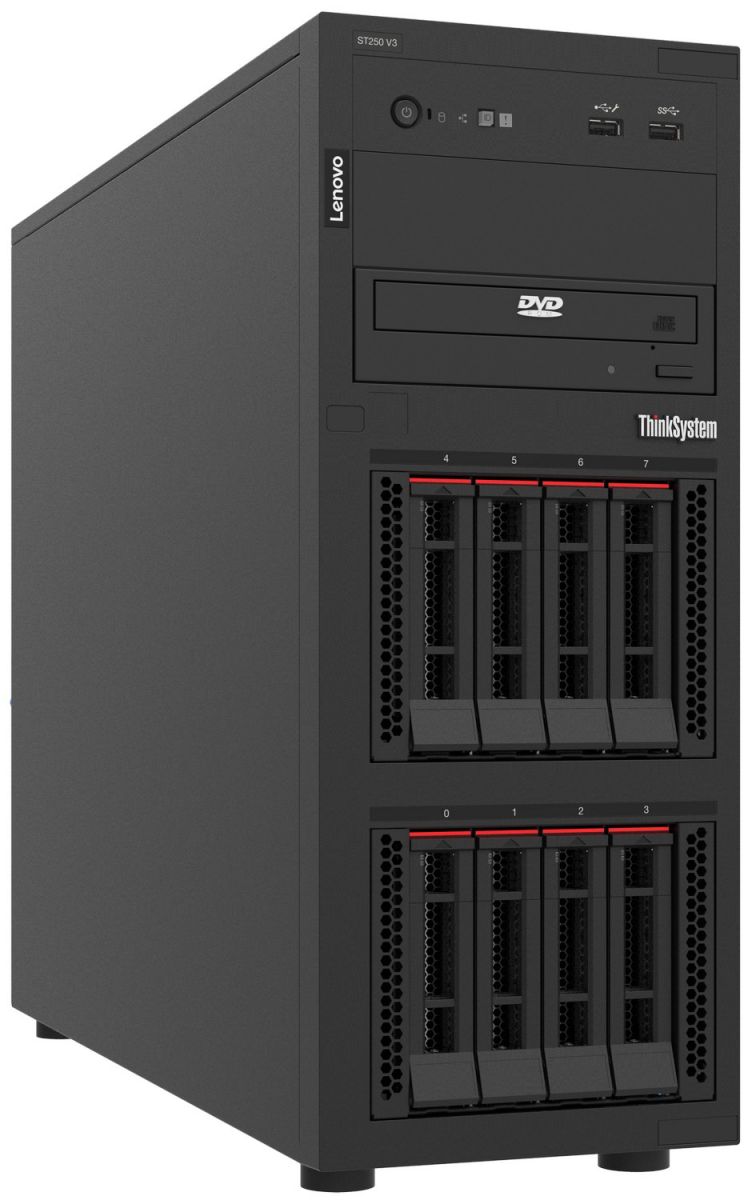
ThinkSystem ST250 V3
Single-socket tower with rack-conversion options, up to 128 GB DDR5 ECC memory, and chassis options for up to 16 x 2.5-inch or 8 x 3.5-inch hot-swap drives.
Priced after scope ↗When this service makes sense
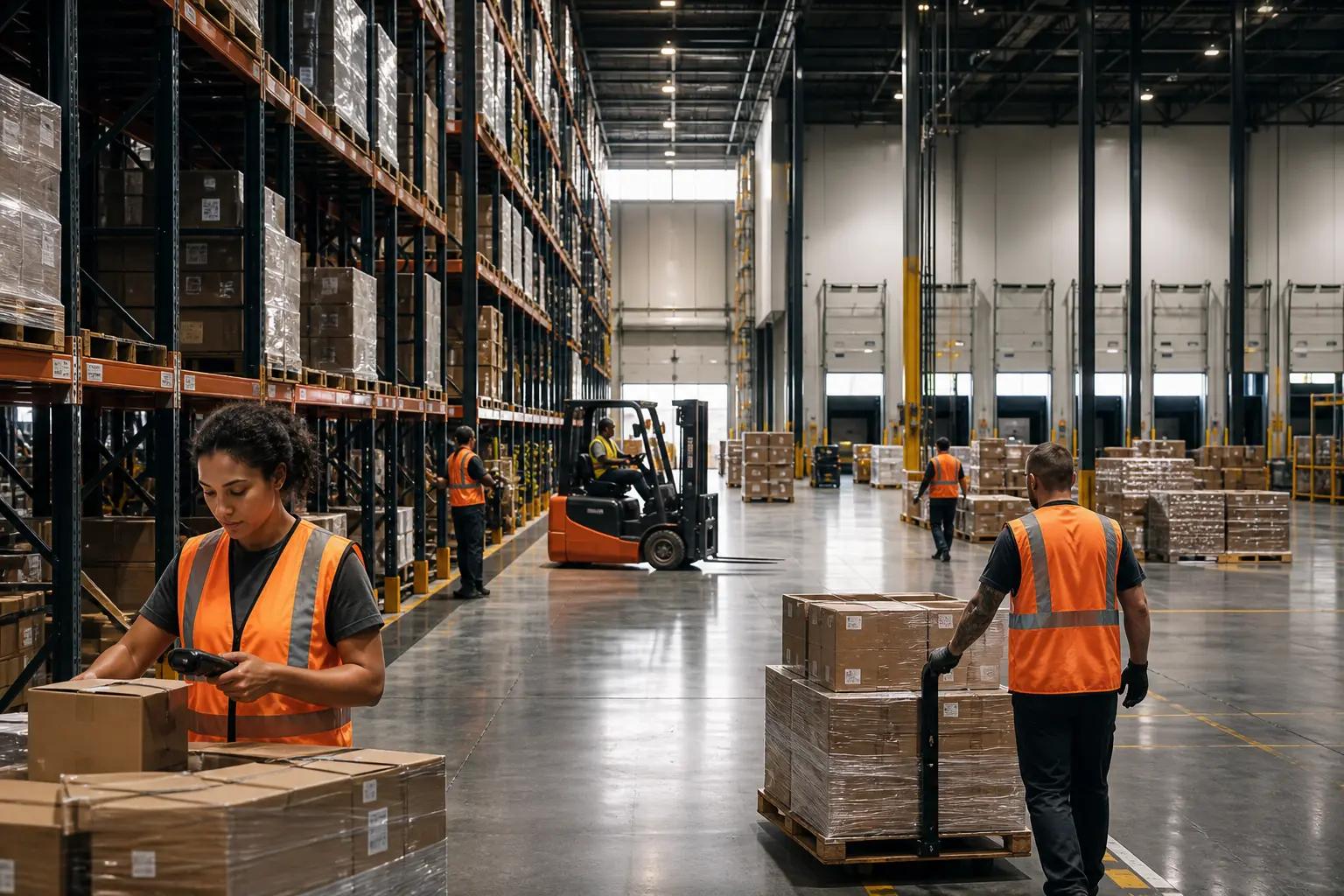
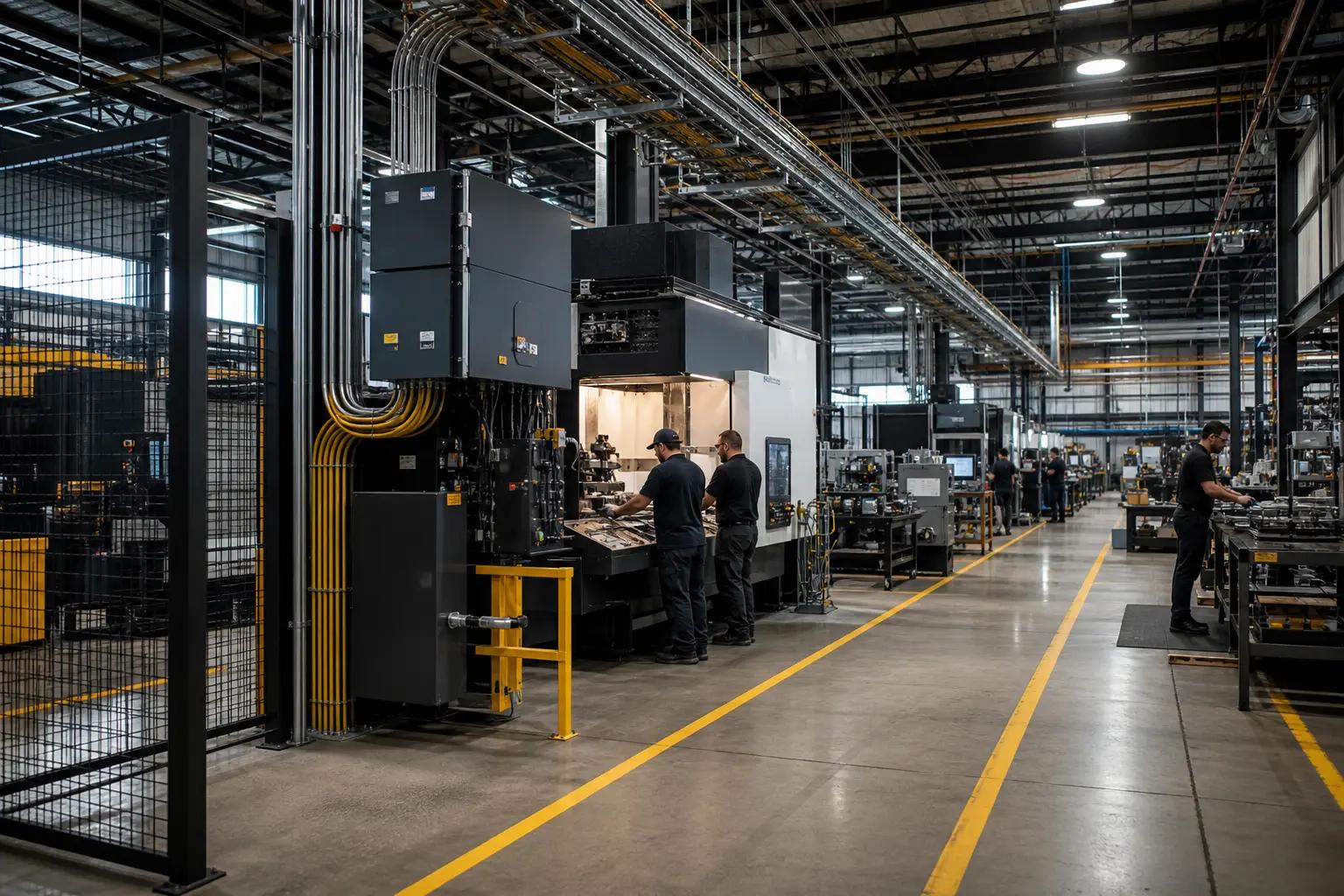
- Warehouses, retail, grocery, healthcare, manufacturing, and field inventory
- Operations with repeatable critical tracking events
- Teams willing to clean identifiers, locations, permissions, and exceptions
- Sites that need device, printer, wireless, and software coordination
What we verify first
- Hardware cannot correct duplicate identifiers, weak master data, unclear ownership, or an undefined transaction
- RFID read performance changes with tag, material, orientation, reader geometry, interference, and local spectrum rules
- Offline workflows require explicit duplicate, conflict, loss, and resynchronization handling
- System integrations depend on available APIs, licenses, data quality, rate limits, and vendor support
Site contextSee where this work is usedView details
How site conditions change the design
Occupancy, operating hours, user activity, regulation, weather, construction, and access can change the design.

What people usually ask
Should inventory use barcode or RFID?
Barcodes are usually simpler and explicit; RFID can capture without line of sight and at higher rates. The decision depends on item and tag material, unit cost, distance, throughput, stray-read risk, privacy, environment, and system workflow.
Will better Wi-Fi fix inventory accuracy?
It can remove transaction delay and device disconnects, but accuracy also depends on identifiers, master data, scan-point design, validation, user steps, offline behavior, and exception reconciliation.
What is a useful pilot?
One defined movement with real items, locations, labels, people, devices, coverage, integration, and exceptions. The pilot should prove the records match, not only demonstrate that a scanner reads a code.
Standards and referencesReview the source materialView details
Sources used for this guide
These references inform the guide. The adopted code, engineer of record, authority having jurisdiction, manufacturer instructions, and signed agreement control the project.
Explains GS1 barcode carriers and the identifiers and attributes they can encode for items, shipments, locations, and other entities.
Open reference ↗GS1 · reviewed 2026-08-20Global Traceability StandardDefines critical tracking events, key data elements, and identify-capture-share principles for interoperable traceability.
Open reference ↗GS1 · reviewed 2026-08-20How GS1 standards workExplains the Identify, Capture, Share, and Use layers connecting physical identifiers to business applications.
Open reference ↗