
Environmental monitoring
Sensors that notice trouble and know whom to tellSensors, placement, gateways, power, network, timestamps, thresholds, persistence, alerts, acknowledgement, escalation, retention, and maintenance, assembled as one monitoring system.
What Environmental monitoring includes
Environmental monitoring is a chain: measurand, sensor, placement, sampling, gateway, timestamp, transport, storage, threshold, alert, acknowledgement, escalation, action, and record. A dashboard alone does not create an operational response.
Sensors should be placed for the protected process rather than convenience. Required accuracy, calibration, mapping, validation, redundancy, and record controls vary by use; regulated or safety-critical environments need discipline-specific requirements.
Question to answer before designWhich condition requires action, how long must it persist, who responds, and how will the sensor and alert path be tested?
This service may fit when:
- Equipment or product damage is discovered after the condition has passed
- Alerts are frequent, ignored, misrouted, or lack acknowledgement and escalation
- Sensors are mounted where installation is easy rather than where risk occurs
- No one tracks calibration, batteries, gateway health, time, or last successful test
What the system includes
A complete scope covers each part below and the connections between them.
Measure
Condition, range, accuracy, location, sensor, calibration assumption
Collect
Sampling, gateway, time, network, power, buffer, health state
Interpret
Units, threshold, persistence, hysteresis, trend, stale or invalid data
Respond
Notification, acknowledgement, escalation, action, work record, retention
How site information becomes a tested project
A complete project record connects the conditions found on site, the design decisions made from them, and the tests and closeout documents delivered afterward.
What we confirm before design
- Protected asset or process, condition, range, accuracy, location, time, and consequence
- Normal variation, thresholds, persistence, hysteresis, schedule, and rate of change
- Sensor environment, mounting, calibration, battery, gateway, network, power, and time source
What those findings determine
- Sensor model: Choose from accuracy, environment, wiring, power, update rate, battery, and maintenance.
- Threshold: Use the simplest rule that detects risk without generating unowned noise.
- Response: Automation should never imply a response unless completion is independently recorded.
What you should receive
- Condition, threshold, response, and ownership matrix
- Sensor, placement, gateway, network, power, and data-flow plan
- Baseline, threshold rationale, and configuration record
The exact inputs, decisions, and acceptance records depend on the site and signed scope.
Project stagesSurvey through closeoutView details
How the work moves from survey to closeout
Each stage should produce the records and test results needed before the next stage begins.
- 01
Define condition and consequence
Identify what is protected, measured condition, range, accuracy, location, time sensitivity, persistence, consequences, response owner, maintenance, and record need.
EvidenceCondition-response matrix, site observations, current incidents, measurement requirements, and ownership list. - 02
Design measurement and alerting
Select sensors, placement, mapping, gateways, network, power, time, sampling, thresholds, hysteresis, persistence, notifications, acknowledgement, escalation, and retention.
EvidenceSensor and gateway plan, data-flow diagram, threshold rationale, alert matrix, maintenance schedule, and validation method. - 03
Install and baseline
Label and place sensors, configure units and timing, establish users and routes, compare readings where appropriate, and observe normal variation before final thresholds.
EvidenceAsset and placement photos, configuration record, baseline trend, comparison observations, and alert contacts. - 04
Exercise condition and failure
Safely simulate or test threshold, persistence, alert, acknowledgement, escalation, sensor loss, low battery, gateway loss, power loss, stale data, recovery, and reporting.
EvidenceEnd-to-end alert samples, timestamps, acknowledgement and escalation record, stale-data alarm, recovery result, and owner runbook.
Design choicesCompare the available approachesView details
How to choose the right approach
The right choice depends on the site, application, operating risk, and acceptance requirements. More equipment does not automatically improve the system.
What we need to know
- Protected asset or process, condition, range, accuracy, location, time, and consequence
- Normal variation, thresholds, persistence, hysteresis, schedule, and rate of change
- Sensor environment, mounting, calibration, battery, gateway, network, power, and time source
- Recipients, acknowledgement, escalation, after-hours coverage, response target, and work ownership
- Data units, quality, retention, export, privacy, integration, reporting, and maintenance
What you should receive
- Condition, threshold, response, and ownership matrix
- Sensor, placement, gateway, network, power, and data-flow plan
- Baseline, threshold rationale, and configuration record
- End-to-end condition, stale-data, communication, power, escalation, and recovery evidence
- Asset list, maintenance and calibration assumptions, alert runbook, and reporting guide
Equipment examplesSee relevant hardwareView details
Hardware that may be part of the project
These examples are not a final bill of materials. We confirm compatibility, availability, and the exact model after the requirements are clear.
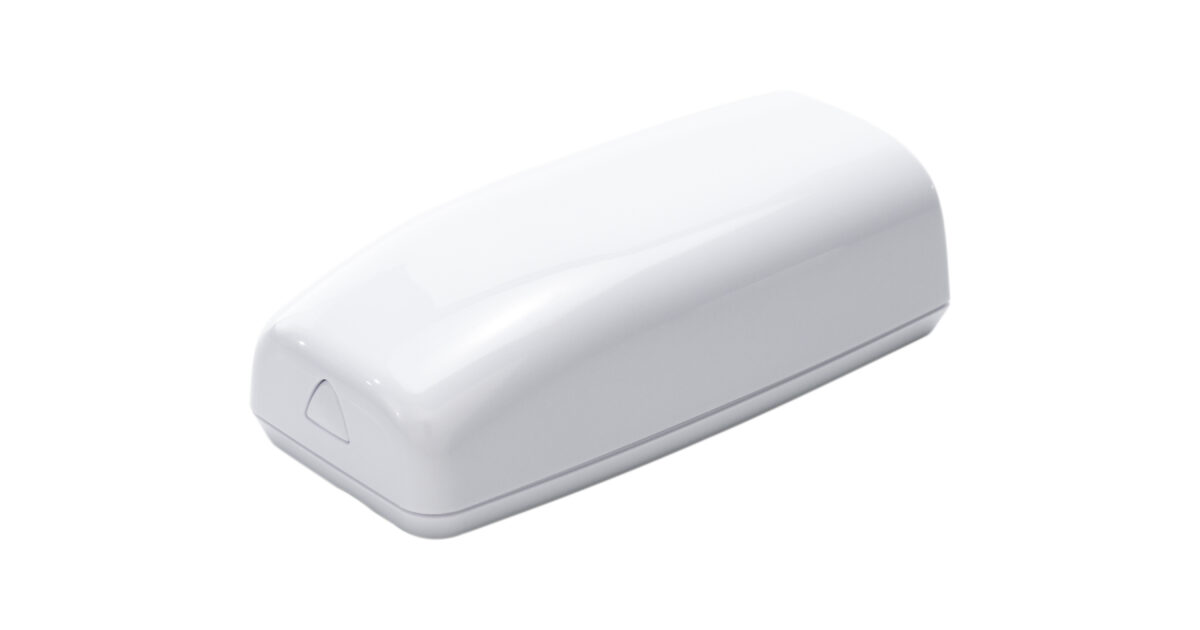
DMP-CONTACT
Wireless transmitter, dual reed switches + external terminal for two independent zones
Equipment planning price $60 ↗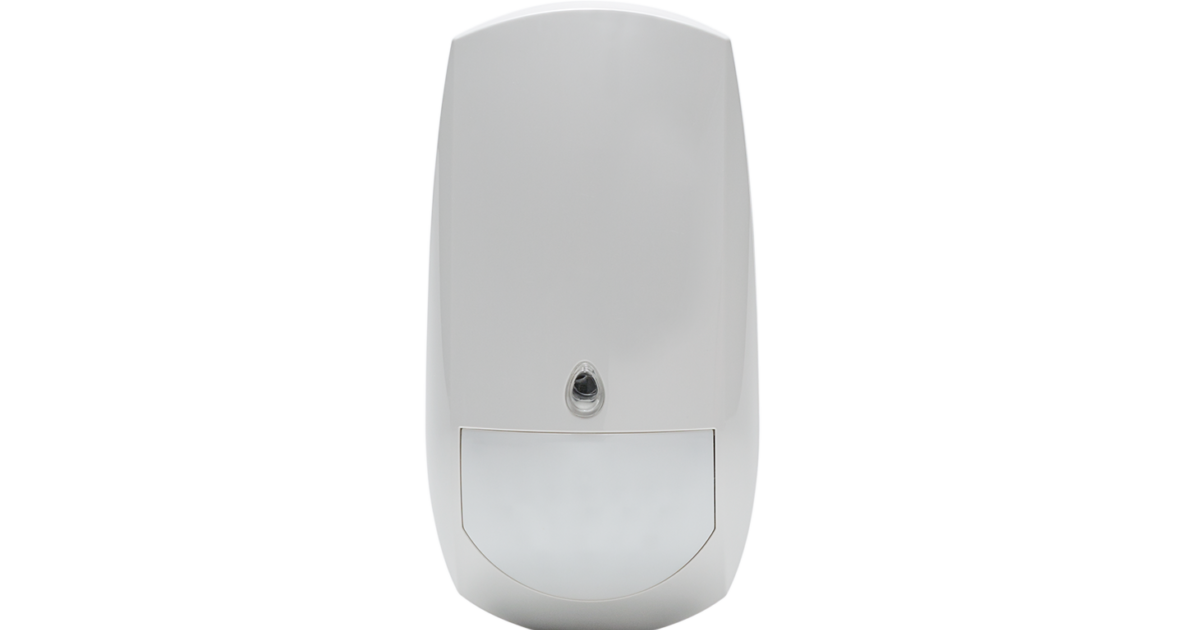
DMP-PIR
Wireless PIR, 90°/40x40 ft coverage, pet-immune up to 55 lbs
Equipment planning price $90 ↗
DMP-GLASSBREAK
Wireless dual-technology (shock + acoustic), up to 20 ft coverage of framed glass
Equipment planning price $60 ↗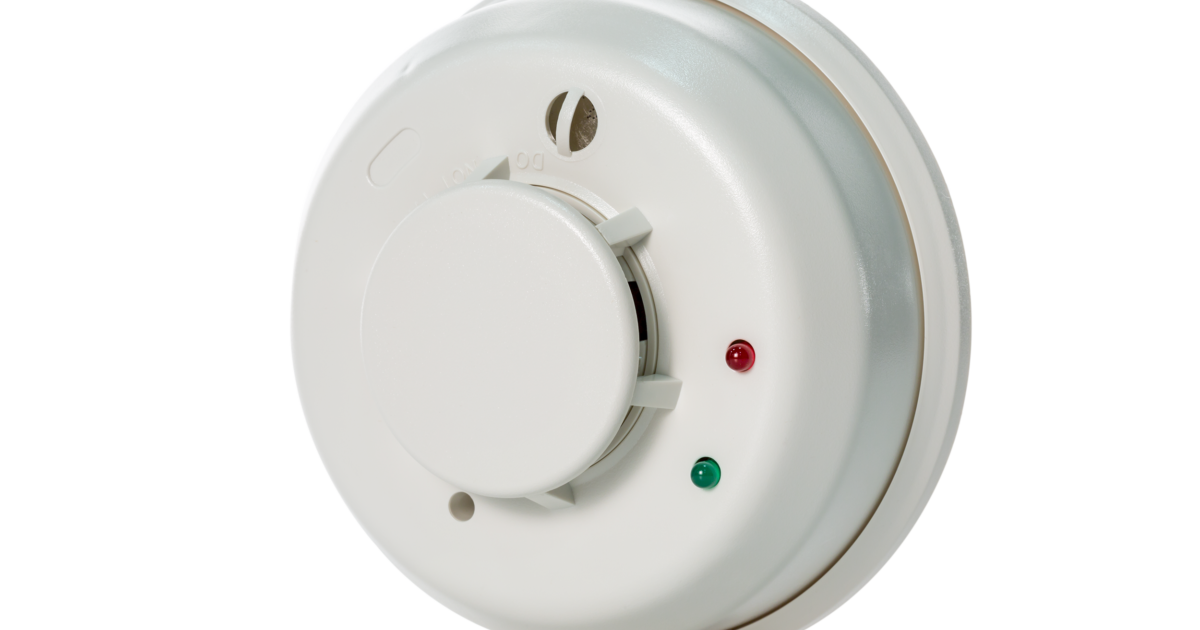
DMP-SMOKE
Wireless photoelectric smoke detector, synchronized sounder, UL 268 listed
Equipment planning price $140 ↗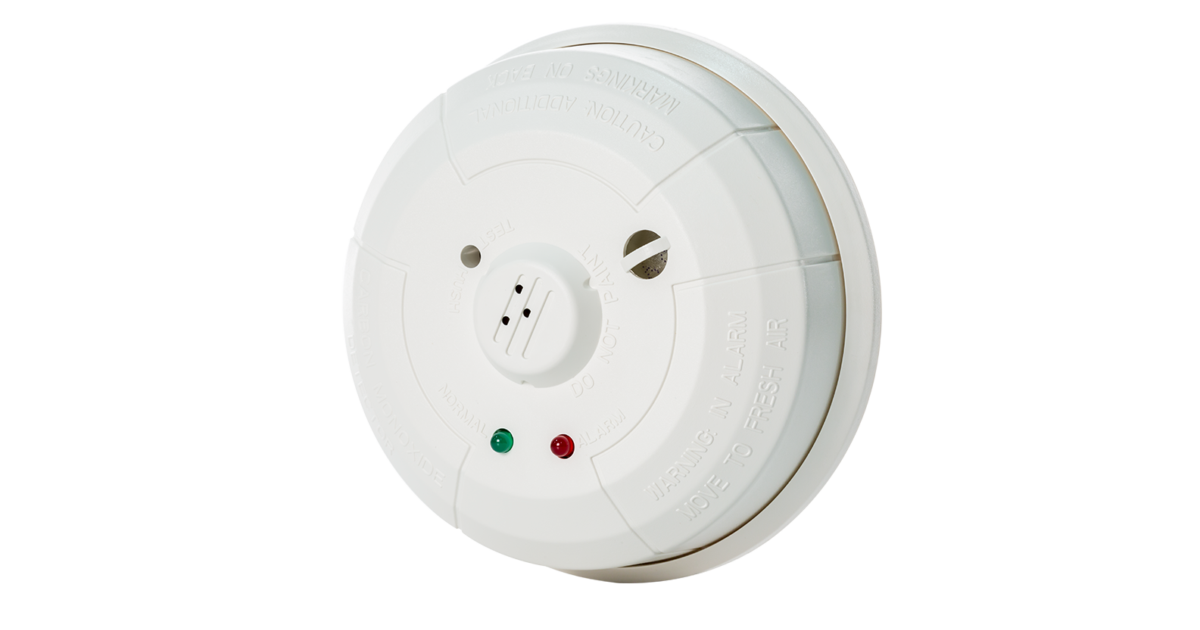
DMP-CO
Wireless electrochemical CO detector, UL 2075 listed
Equipment planning price $160 ↗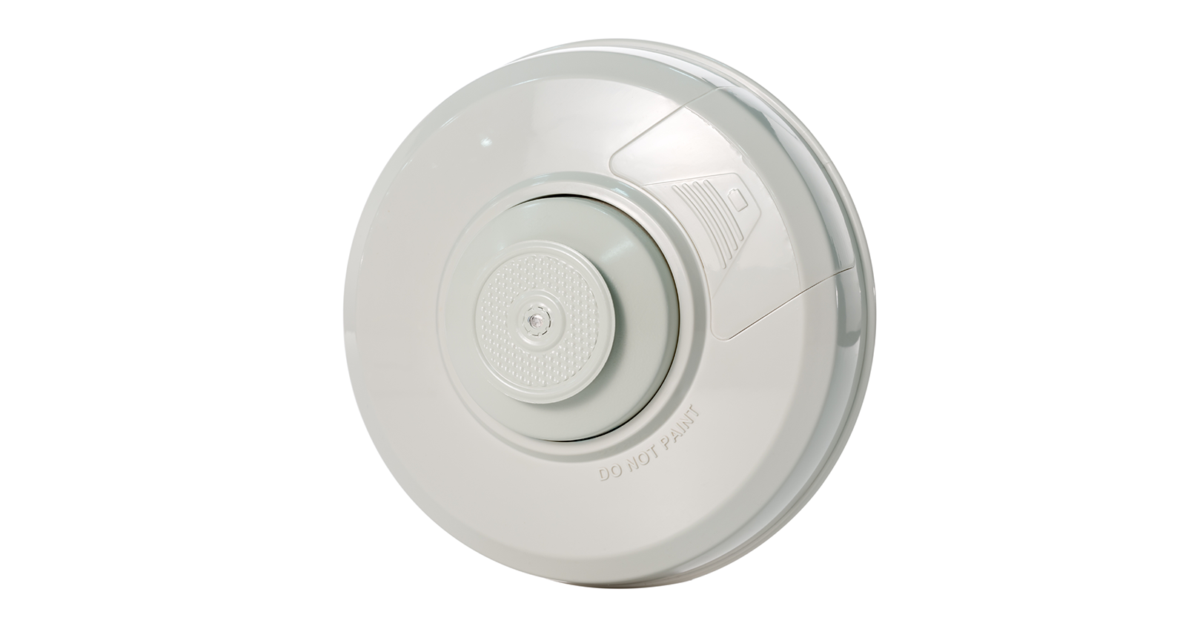
DMP-HEAT
Wireless rate-of-rise (15°F/min) + fixed-135°F heat detector, UL 521 listed
Equipment planning price $90 ↗When this service makes sense
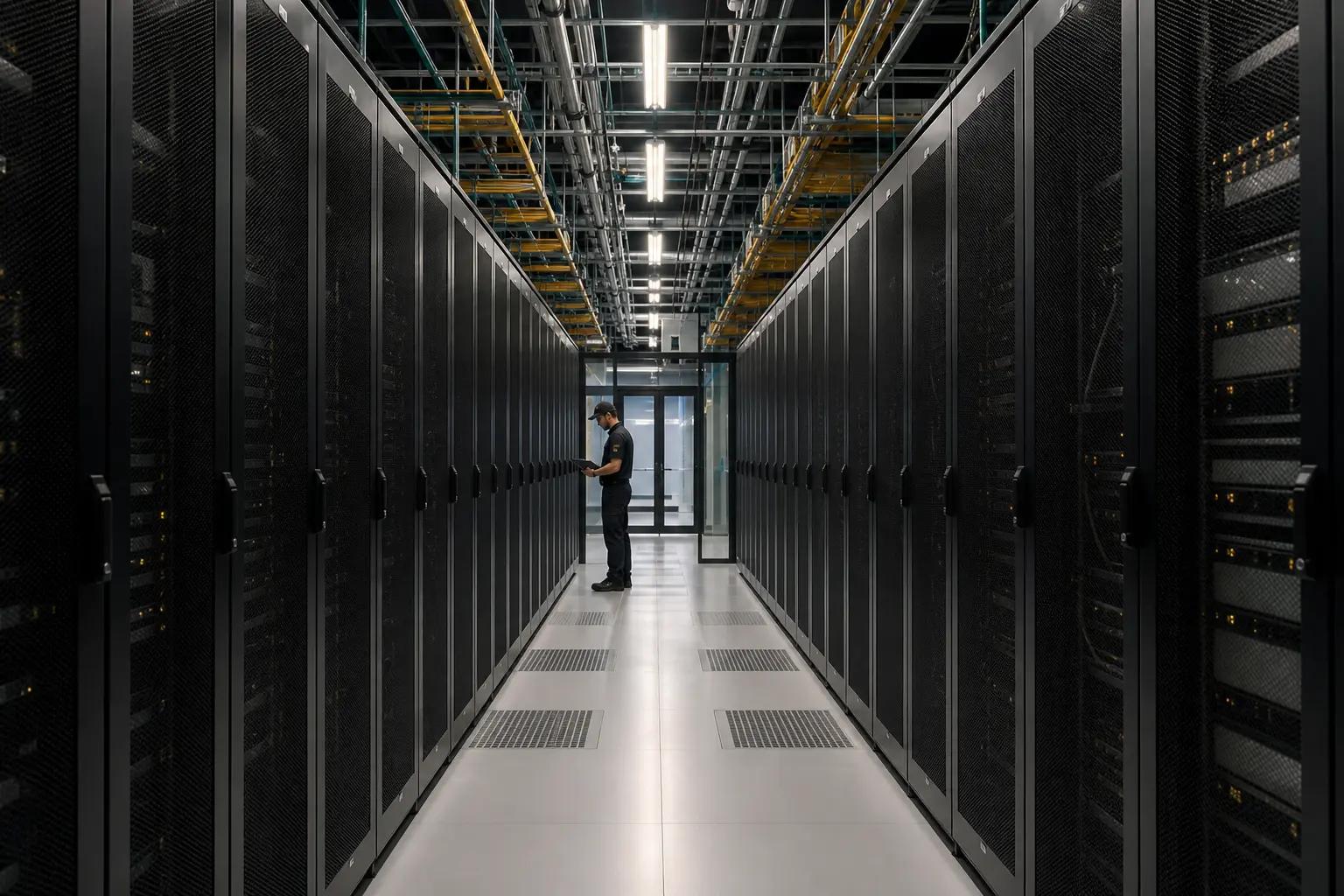
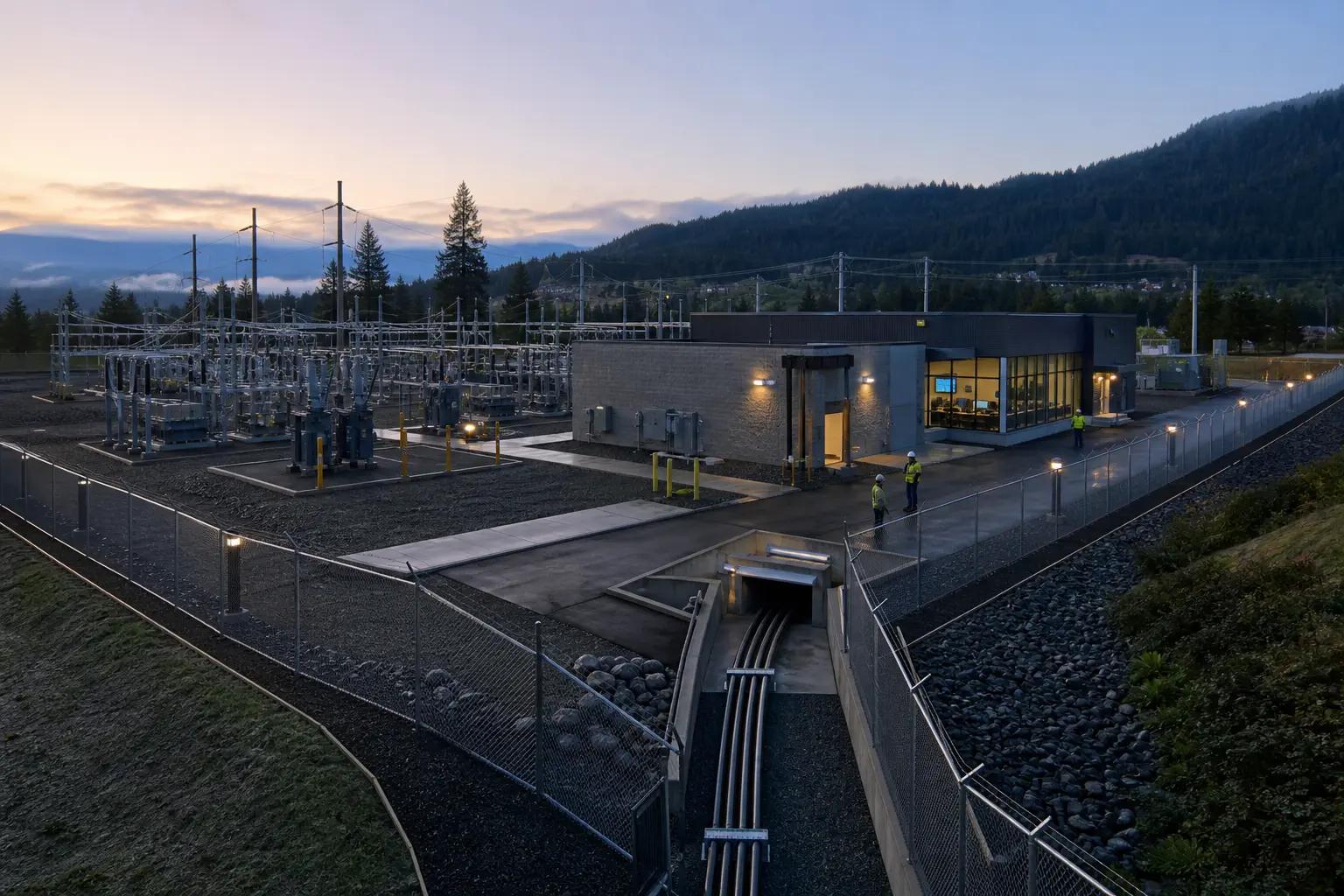
- Network rooms, warehouses, healthcare support areas, facilities, utilities, and industrial spaces
- Conditions with a defined threshold and response owner
- Sites that can support representative placement and maintenance
- Multi-site teams that need consistent naming, alerts, and retained evidence
What we verify first
- Monitoring does not by itself control the condition or guarantee that a person responds
- Accuracy, calibration, placement, sampling, drift, condensation, interference, batteries, and connectivity affect data quality
- Regulated storage, clinical, food, industrial, environmental, or safety applications can require validated procedures and records beyond general facility monitoring
- Coverage windows, response targets, and escalation are contract- and owner-specific and must be documented explicitly
Site contextSee where this work is usedView details
How site conditions change the design
Occupancy, operating hours, user activity, regulation, weather, construction, and access can change the design.

What people usually ask
Where should temperature sensors be placed?
At representative risk locations determined by the protected equipment or process, airflow, heat sources, doors, exterior surfaces, vertical gradients, and known hot or cold zones, not simply beside the gateway.
How are nuisance alerts reduced?
Validate placement and sensor health, observe a baseline, then set rational limits with persistence, hysteresis, schedules, maintenance alerts, ownership, acknowledgement, and escalation.
Does monitoring include an after-hours response?
Only when the contract and owner procedure state the coverage window, recipients, acknowledgement, escalation, response target, authority, and fallback. A sensor subscription alone does not define a response service.
Standards and referencesReview the source materialView details
Sources used for this guide
These references inform the guide. The adopted code, engineer of record, authority having jurisdiction, manufacturer instructions, and signed agreement control the project.
Includes physical and environmental controls for temperature, humidity, water damage, emergency power, monitoring, audit, and maintenance.
Open reference ↗National Institute of Standards and Technology · reviewed 2026-08-20SP 800-82 Rev. 3: Guide to Operational Technology SecurityCovers physical environment monitoring systems as OT and addresses reliability, safety, topology, and cybersecurity considerations.
Open reference ↗National Institute of Standards and Technology · reviewed 2026-08-20Cyber-Physical Systems and Internet of Things ProgramProvides measurement-science and trustworthiness context for dependable, secure, resilient connected sensing systems.
Open reference ↗