
Cabling changes, audits, and repair
When the drawings stopped matching the wallsMoves, additions, repairs, tracing, testing, abandoned-cable review, network-room cleanup, and records updates for existing cabling.
What Cabling changes, audits, and repair includes
A MAC request is small only when dependencies are known. Port capacity, VLAN or voice assignment, cable route, furniture, work hours and endpoint readiness can turn a simple move into a service-risk event.
An audit records observed state and evidence. It does not certify concealed conditions or convert assumptions into as-builts. Remediation priorities should separate immediate defects, operational risks and orderly cleanup.
Question to answer before designWhat is active now, what needs to change, what may be removed, and how will the finished state be tested?
This service may fit when:
- Ports, outlets or patching cannot be traced
- A move or refresh depends on undocumented services
- Abandoned cable or failed links obstruct active infrastructure
- Multiple sites need the same audit and closeout format
What the system includes
A complete scope covers each part below and the connections between them.
Observed state
What can be traced and evidenced before change
Disposition
Retain, repair, relocate, remove or investigate
Controlled change
Sequenced work with impact and rollback notes
Updated record
Final labels, tests, photos and remaining exceptions
How site information becomes a tested project
A complete project record connects the conditions found on site, the design decisions made from them, and the tests and closeout documents delivered afterward.
What we confirm before design
- Affected users, devices and business window
- Known port, circuit and application dependencies
- Available drawings, schedules and prior test files
What those findings determine
- Audit depth: Match evidence depth to the decision the audit must support.
- Remediation: Separate required repairs from optional standardization.
- Removal: Verify ownership, service state and restoration scope first.
What you should receive
- Current-state audit table
- Before-and-after photo set
- Disposition and exception register
The exact inputs, decisions, and acceptance records depend on the site and signed scope.
Project stagesSurvey through closeoutView details
How the work moves from survey to closeout
Each stage should produce the records and test results needed before the next stage begins.
- 01
Establish current state
Trace affected endpoints, ports, pathways, services and visible condition.
EvidenceBefore photos, trace table and unknowns list - 02
Classify change
Separate retain, relocate, add, repair, remove and owner-decision items.
EvidenceDisposition schedule and impact notes - 03
Execute controls
Stage labels, patching, testing and rollback around the approved work window.
EvidenceChange log and tested affected-link results - 04
Reconcile record
Confirm service, close exceptions and update schedules and photos.
EvidenceAfter-state schedule, photos and signed exception list
Design choicesCompare the available approachesView details
How to choose the right approach
The right choice depends on the site, application, operating risk, and acceptance requirements. More equipment does not automatically improve the system.
What we need to know
- Affected users, devices and business window
- Known port, circuit and application dependencies
- Available drawings, schedules and prior test files
- Definition of defect and acceptance criteria
- Removal, disposal and restoration responsibilities
What you should receive
- Current-state audit table
- Before-and-after photo set
- Disposition and exception register
- Affected-link test results
- Updated port, cable and asset schedule
Equipment examplesSee relevant hardwareView details
Hardware that may be part of the project
These examples are not a final bill of materials. We confirm compatibility, availability, and the exact model after the requirements are clear.
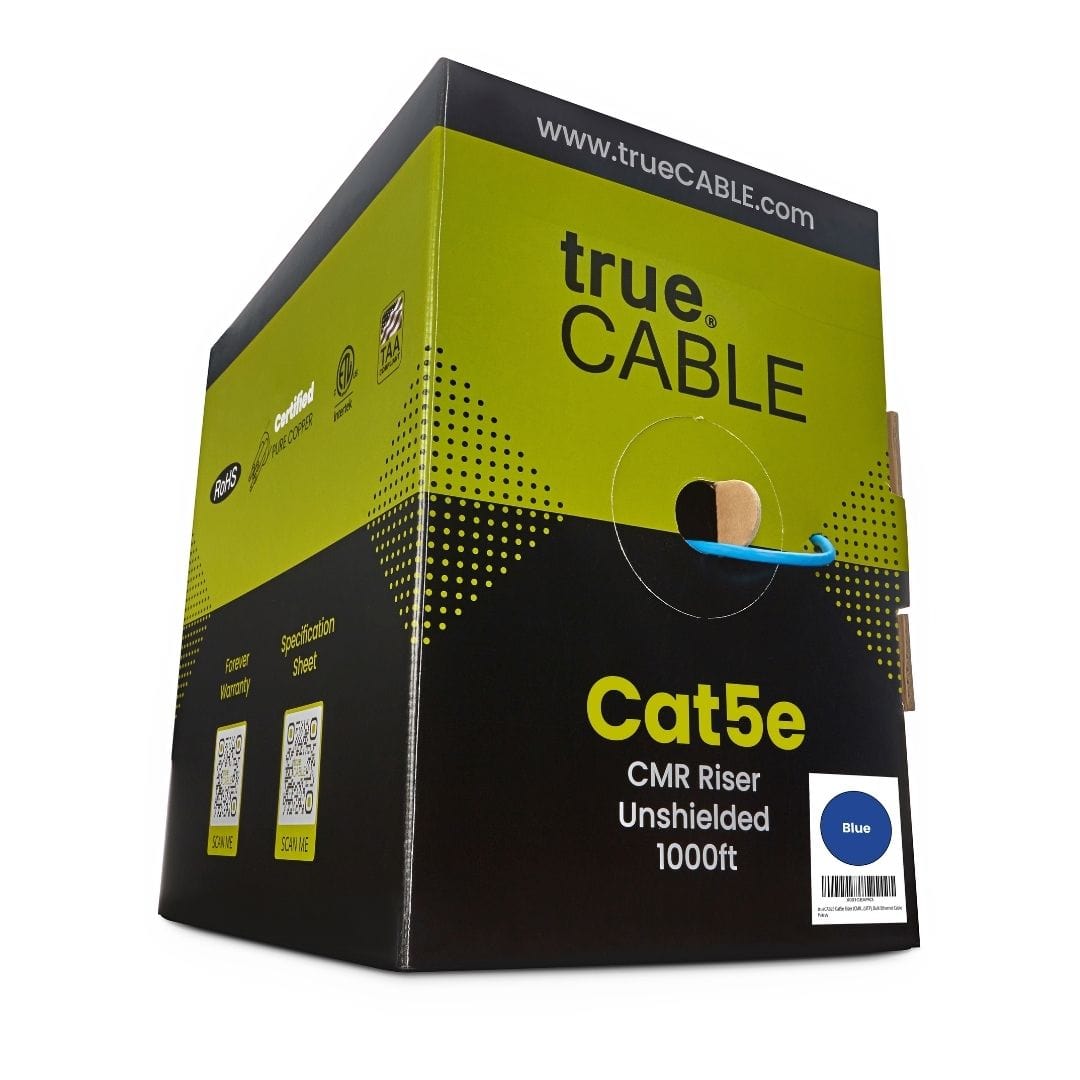
5ECMRBLU_1Kbx
24 AWG solid-copper Cat5e riser cable for 1 and 2.5 Gigabit links up to 328 feet, with PoE++ support
Equipment planning price $260 ↗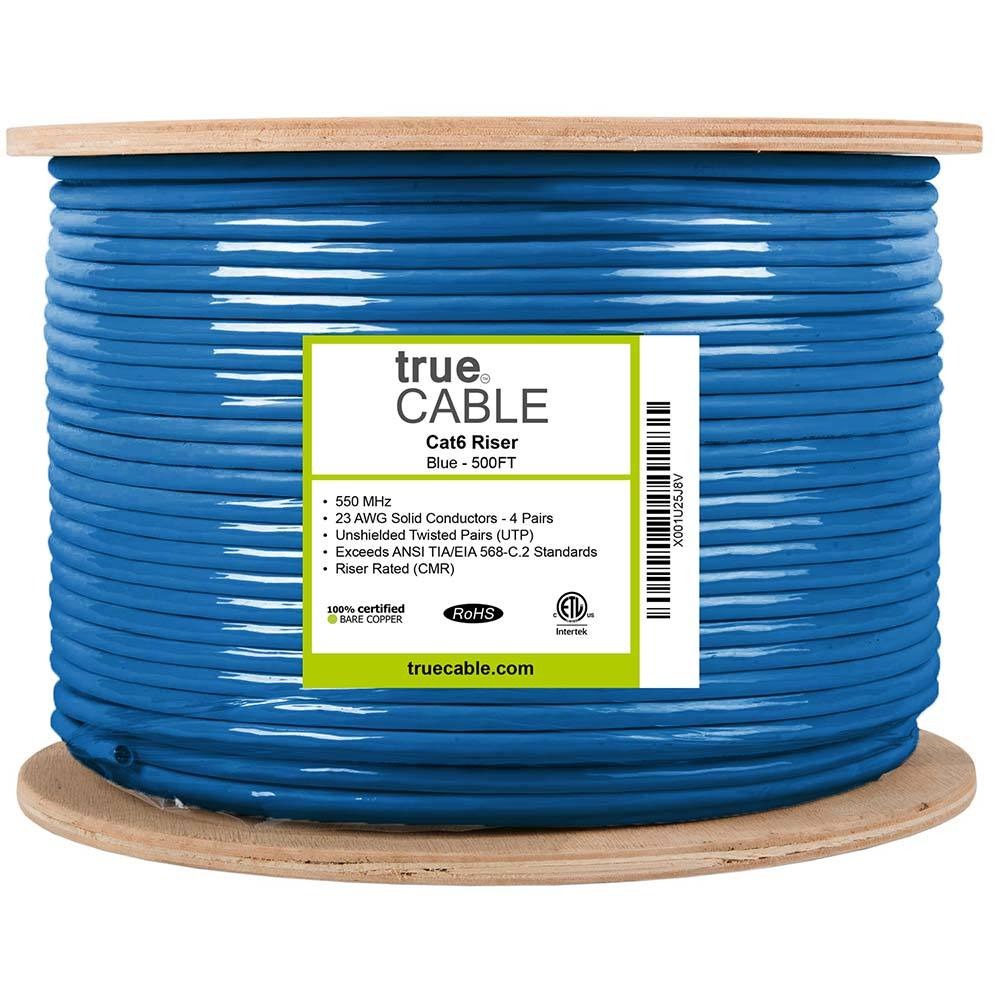
6ECMRBLU
23 AWG solid-copper Cat6 riser cable, terminated, labeled and certification-tested as part of the installed link
Equipment planning price $320 ↗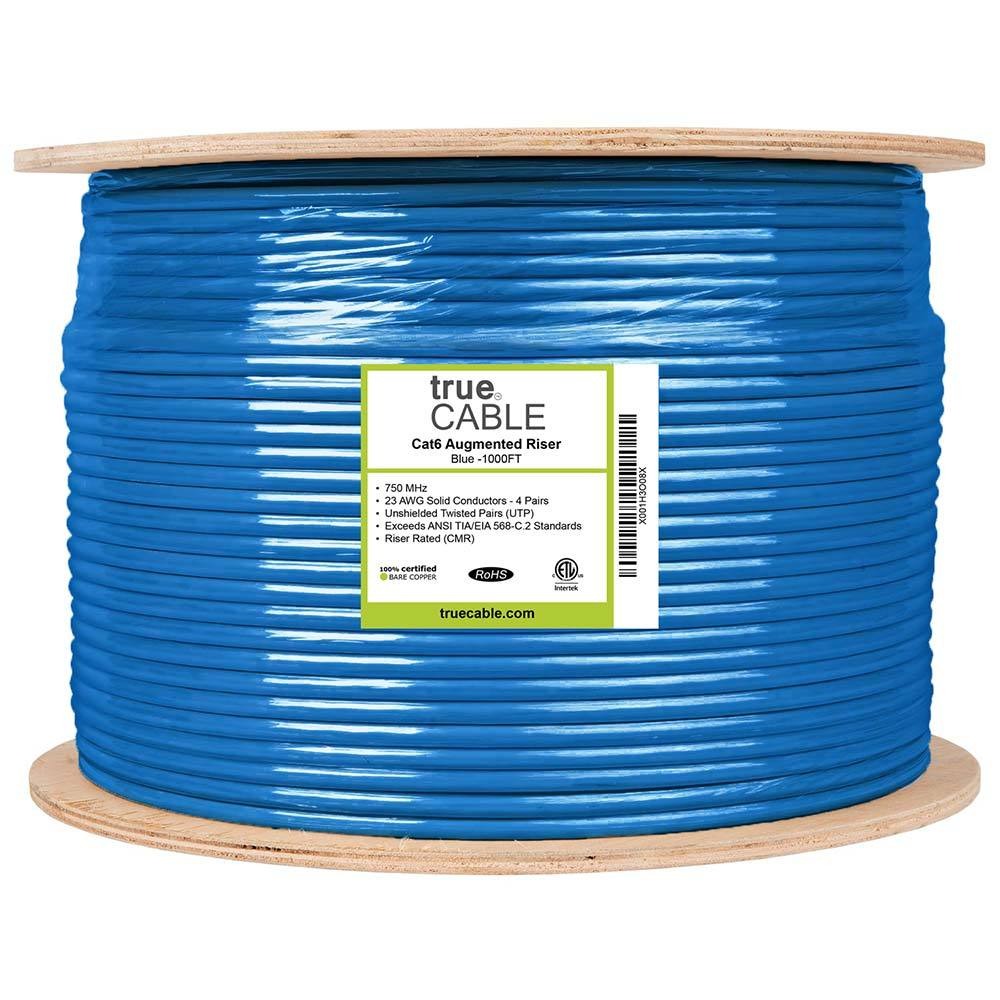
6ACMRBLU
23 AWG solid-copper Cat6A riser cable engineered for 10 Gigabit links up to 100 meters
Equipment planning price $470 ↗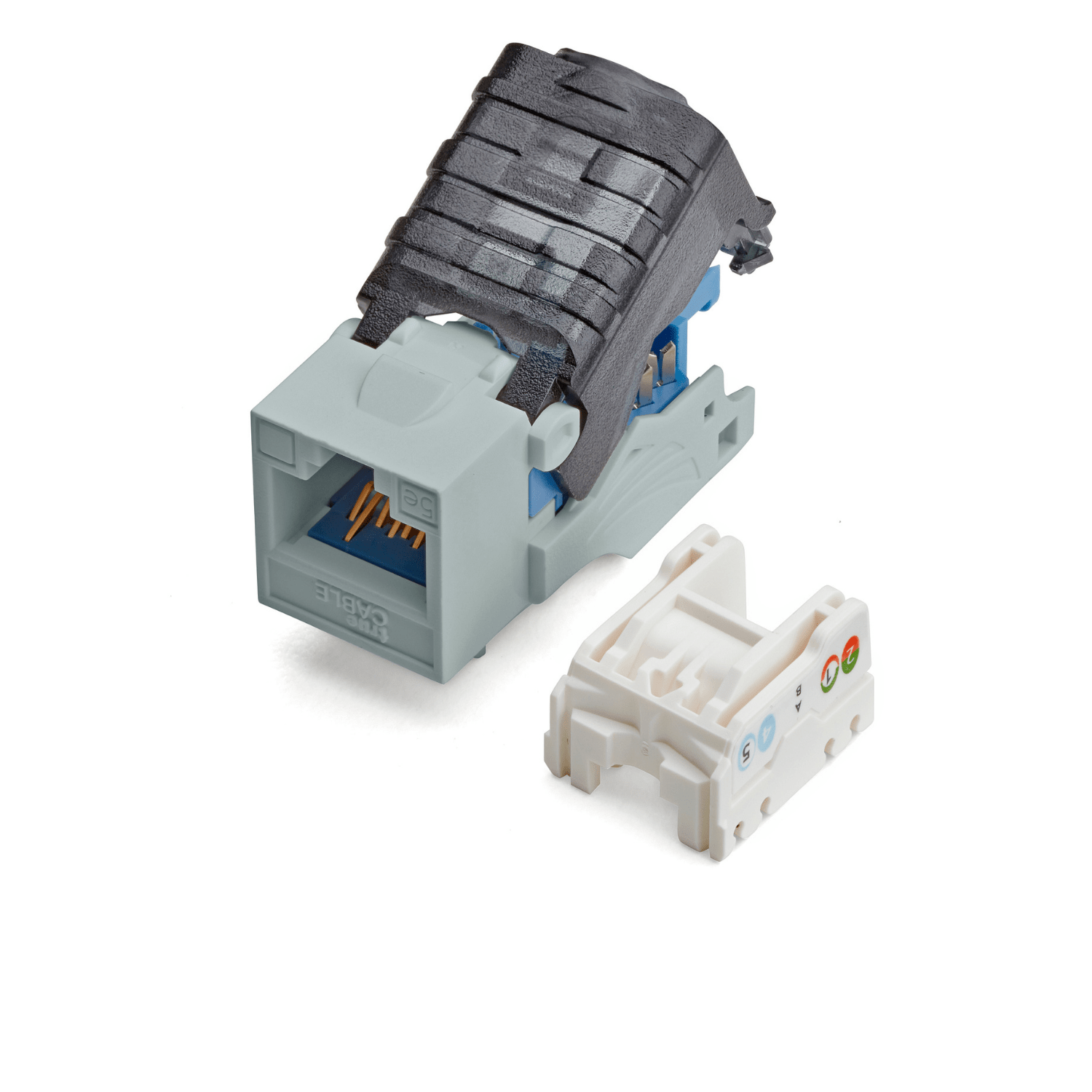
5ETL90CMPTGRY_6pc
Six component-rated Cat5e keystone terminations for work-area outlets and modular patch panels, tested to 250 MHz
Equipment planning price $30 ↗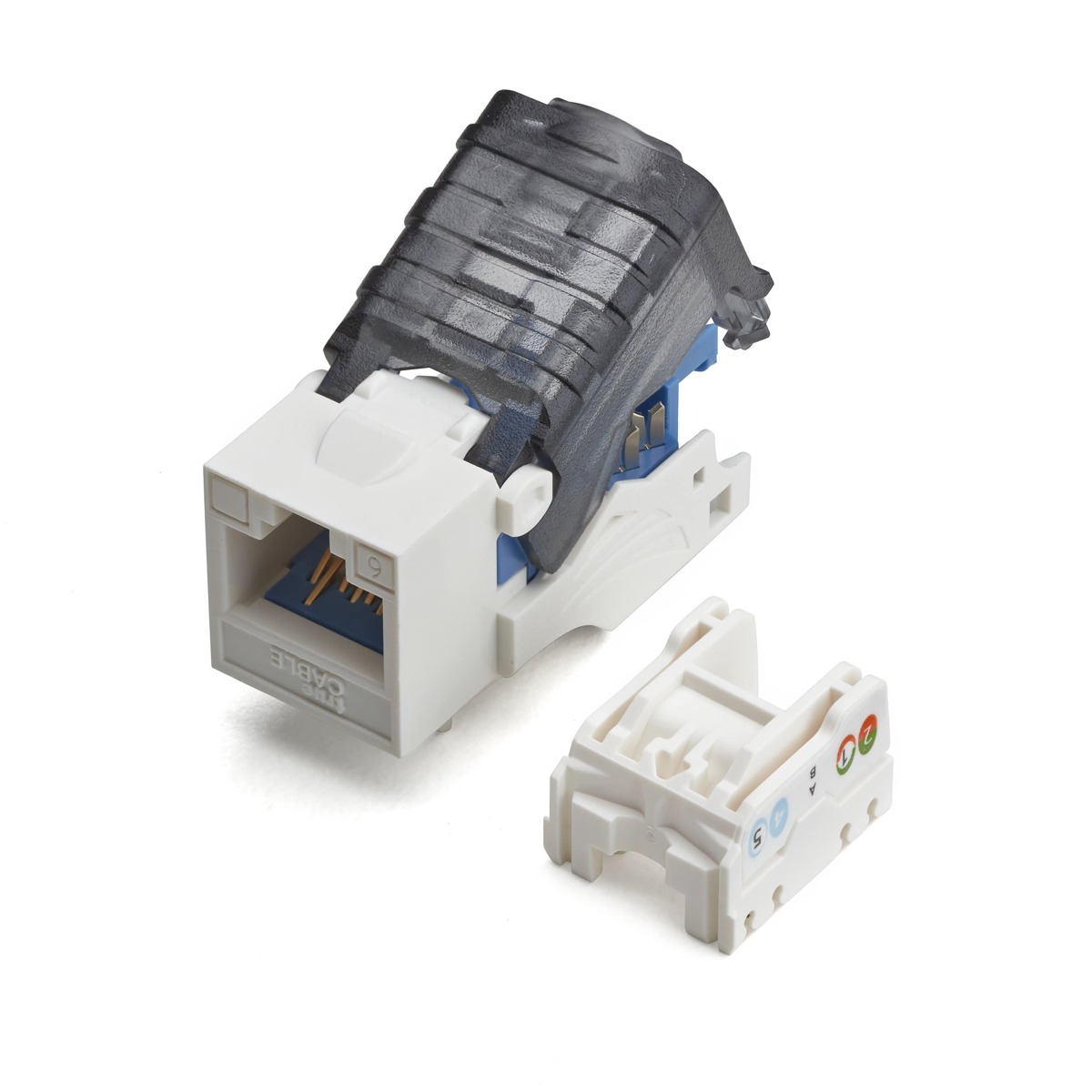
6ETL90CMPTWHT
Component-rated Cat6 keystone termination used at the work-area outlet and patch panel
Equipment planning price $5 ↗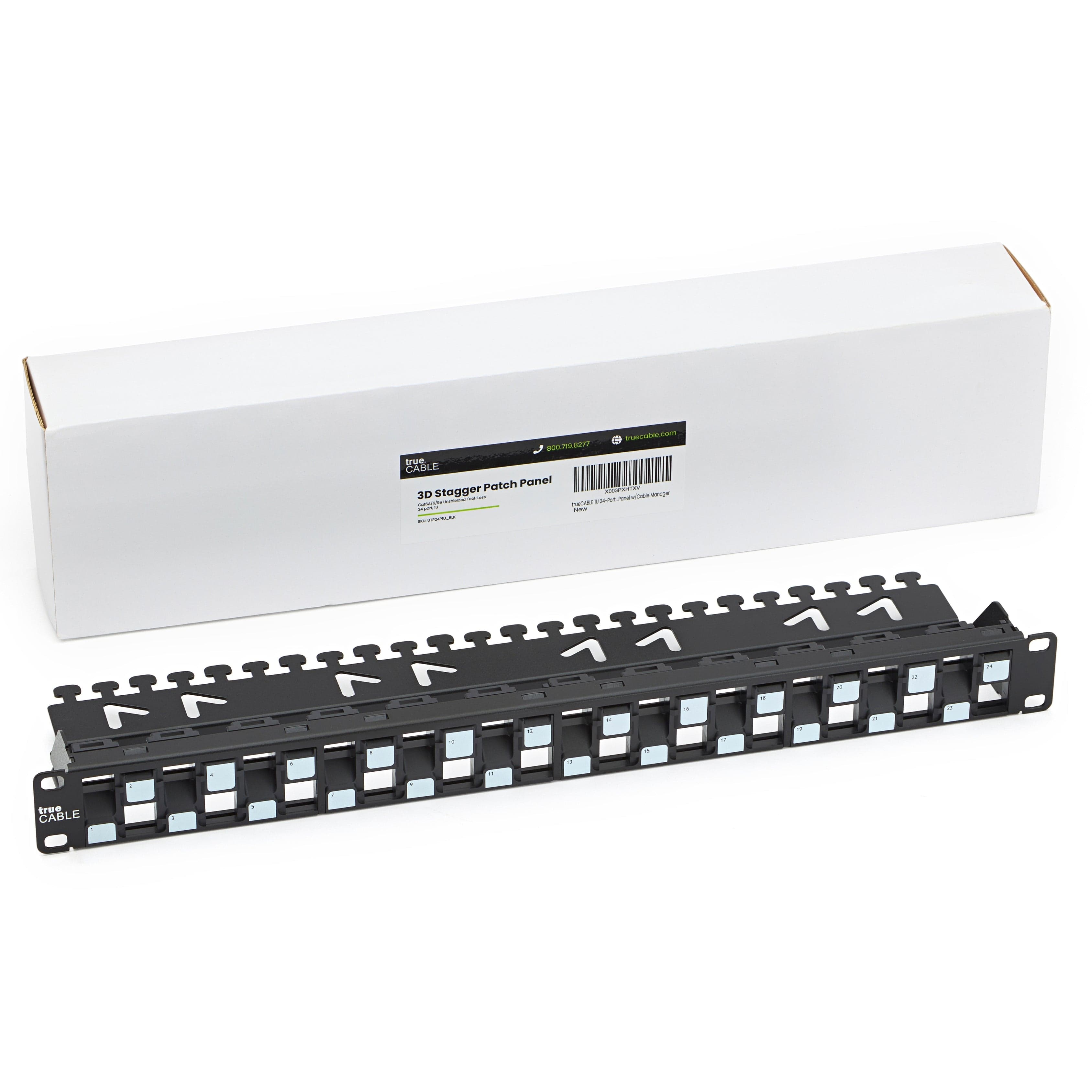
UTP24P1U
1U 24-port modular patch panel for a clean, labeled and serviceable network head-end
Equipment planning price $90 ↗When this service makes sense
- Office restacks and tenant changes
- Retail or branch device refreshes
- Pre-renovation discovery
- Network-room cleanup with a defined service window
What we verify first
- Incomplete records and concealed routes
- Live-service impact during tracing
- Unverified ownership of abandoned material
- Ceiling, furniture, tenant and security access
Site contextSee where this work is usedView details
How site conditions change the design
Occupancy, operating hours, user activity, regulation, weather, construction, and access can change the design.



What people usually ask
Is an audit the same as certification testing?
No. An audit describes the agreed observed scope. Certification testing is a specific instrumented evaluation of a link against a selected performance limit.
Can abandoned cable always be removed?
Only after ownership and service state are established and the route, access, firestop and disposal requirements are understood.
What makes a move low risk?
Known dependencies, staged materials and configuration, a defined work window, an observable acceptance test and a practical rollback path.
Standards and referencesReview the source materialView details
Sources used for this guide
These references inform the guide. The adopted code, engineer of record, authority having jurisdiction, manufacturer instructions, and signed agreement control the project.
Official committee index for premises cabling, administration, optical fiber, pathways, bonding and grounding work.
Open reference ↗Telecommunications Industry Association · reviewed 2026-08-20TIA-568: Commercial Building Telecommunications Cabling StandardsPrimary standards family for generic premises copper and optical-fiber cabling.
Open reference ↗BICSI · reviewed 2026-08-20Telecommunications Distribution Methods ManualICT design reference spanning spaces, backbone and horizontal distribution, testing, outside plant and data centers.
Open reference ↗