
Parking and perimeter
Gates, barriers, and lanes that fail safely by designLane geometry, credentials, gates, safety inputs, intercoms, cameras, lighting, outdoor networks, power, drainage, civil pathways, and manual release, engineered together.
What Parking and perimeter includes
Parking and perimeter systems may include gates, loops or other presence detection, safety edges and photo eyes, credential readers, intercoms, cameras, vehicle-detail imaging, lighting, call stations, outdoor switches, fiber or wireless links, and management software.
The scope crosses security, civil, electrical, gate-operator, accessibility, traffic, and life-safety responsibilities. Qualified trades and authorities should review their portions; the technology design must record interface and ownership boundaries.
Question to answer before designWhich vehicles should be admitted, denied, or escalated at each approach, and what is the approved state during power, network, or operator failure?
This service may fit when:
- Vehicle queues block public roads, fire lanes, or internal circulation
- Gate calls, credentials, and camera views are handled in separate workflows
- Long exterior links rely on exposed copper or unsupported wireless
- Weather, lighting, drainage, or vehicle speed makes detection unreliable
What the system includes
A complete scope covers each part below and the connections between them.
Approach
Lane geometry, queue, signage, lighting, pedestrians, accessible route
Decision
Credential, intercom, host, schedule, vehicle detail, exception policy
Barrier and safety
Operator, detection, safety edge or beam, manual and emergency behavior
Infrastructure
Power, grounding, surge protection, drainage, outdoor network, pathway, management
How site information becomes a tested project
A complete project record connects the conditions found on site, the design decisions made from them, and the tests and closeout documents delivered afterward.
What we confirm before design
- Site plan, property line, lanes, queues, traffic classes, pedestrians, and accessible routes
- Credential, visitor, delivery, intercom, denial, and emergency workflows
- Gate operator, safety devices, manual release, required safe state, and authority inputs
What those findings determine
- Entry decision: Use only inputs that are reliable enough for the required decision.
- Network path: Distance, lightning exposure, pathway, bandwidth, and uptime drive the medium.
- Video: Each detail objective needs its own geometry, light, shutter, lens, and retention plan.
What you should receive
- Annotated lane and perimeter plan
- Vehicle workflow and safe-state matrix
- Civil, electrical, gate, network, camera, and access interface schedule
The exact inputs, decisions, and acceptance records depend on the site and signed scope.
Project stagesSurvey through closeoutView details
How the work moves from survey to closeout
Each stage should produce the records and test results needed before the next stage begins.
- 01
Observe the approach
Map lanes, queues, turns, speeds, vehicles, pedestrians, accessibility, lighting, weather, drainage, power, pathways, existing gate hardware, and response staff.
EvidenceAnnotated site plan, approach photos, traffic and exception observations, and responsibility inventory. - 02
Design states and interfaces
Define credential, intercom, visitor, delivery, denied-entry, emergency, power-loss, network-loss, gate safety, camera, and manual-release behavior.
EvidenceLane-state matrix, device and view plan, pathway and network design, interface schedule, and safe-state decisions. - 03
Coordinate field work
Sequence civil pathways, foundations, electrical, gate operator, safety devices, communications, cameras, access hardware, and labeling.
EvidenceCoordination record, labeled equipment, cable and fiber test results, device inventory, and installation photos. - 04
Exercise the lane
Test each credential and visitor path, intercom call, camera view, vehicle class, safety input, manual release, power and network state, and after-dark condition.
EvidenceScenario acceptance sheets, day/night vehicle samples, event records, safe-state tests, and operator handoff.
Design choicesCompare the available approachesView details
How to choose the right approach
The right choice depends on the site, application, operating risk, and acceptance requirements. More equipment does not automatically improve the system.
What we need to know
- Site plan, property line, lanes, queues, traffic classes, pedestrians, and accessible routes
- Credential, visitor, delivery, intercom, denial, and emergency workflows
- Gate operator, safety devices, manual release, required safe state, and authority inputs
- Day/night lighting, weather, drainage, mounting, trenching, power, and surge conditions
- Network distance, bandwidth, fiber or wireless options, recording, and system ownership
What you should receive
- Annotated lane and perimeter plan
- Vehicle workflow and safe-state matrix
- Civil, electrical, gate, network, camera, and access interface schedule
- Outdoor link and device acceptance evidence
- Day/night view samples, scenario tests, as-builts, and operator guide
Equipment examplesSee relevant hardwareView details
Hardware that may be part of the project
These examples are not a final bill of materials. We confirm compatibility, availability, and the exact model after the requirements are clear.
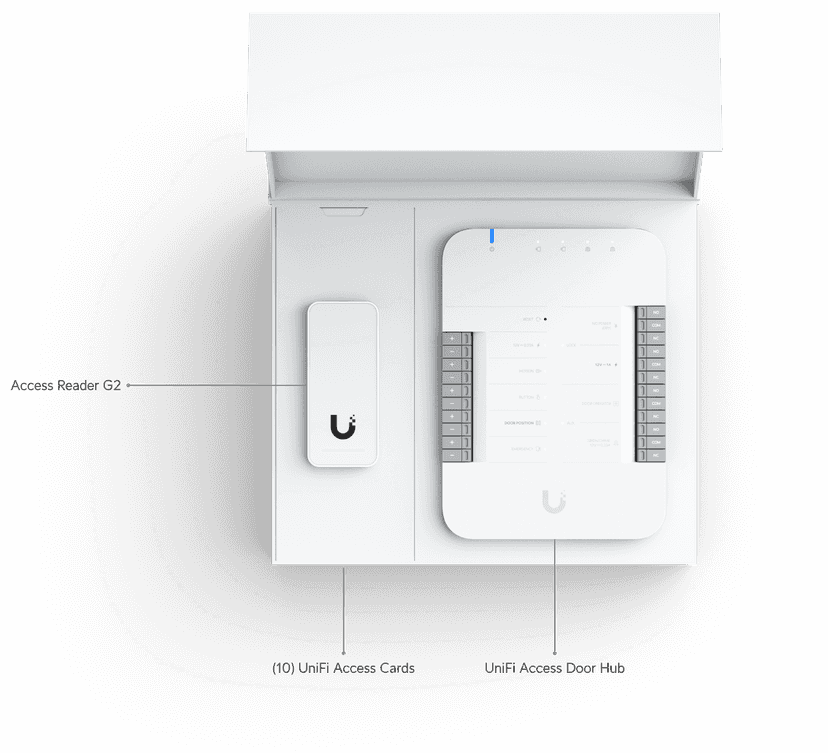
UA-G2-SK
All-in-one door access kit (hub + reader) for one secured entry
Equipment planning price $420 ↗
KISI-CTRL-PRO2
Cloud-connected IP/Wiegand controller, up to 4 doors, PoE/24V, offline fallback
Equipment planning price $975 ↗
KISI-READER-PRO2
BLE/NFC/mobile-wallet reader, card/fob fallback, PoE, offline-capable
Equipment planning price $675 ↗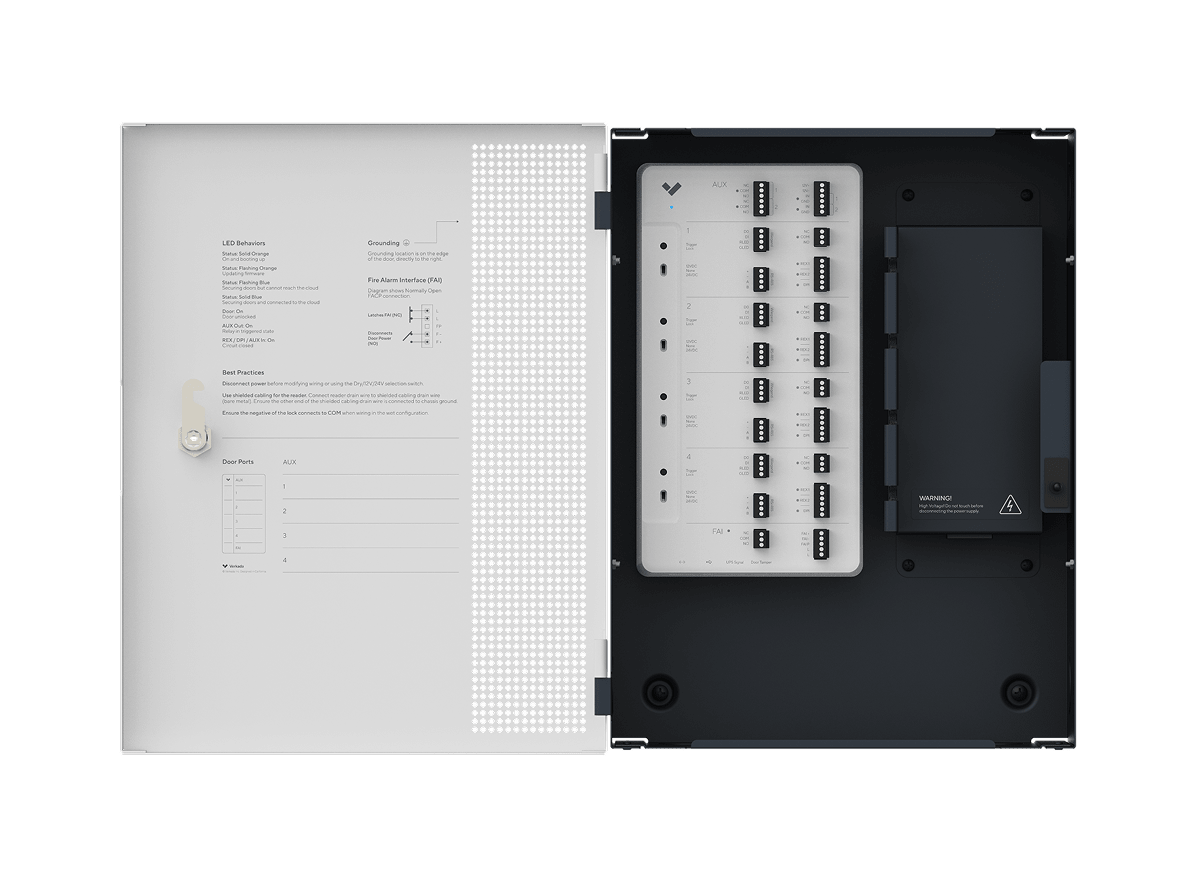
VRK-AC41
Cloud-managed 4-door controller, integrated PSU — AC41 EOL, shown here is AC42 ($1,999 MSRP)
Equipment planning price $1,700 ↗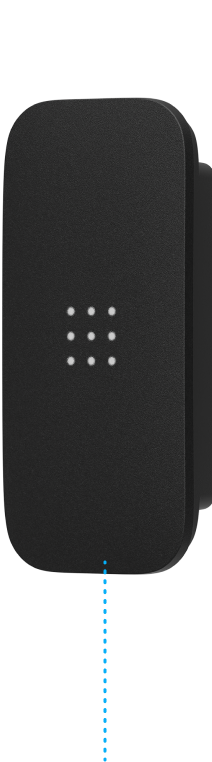
VRK-AD33
Multi-format reader, OSDP/RS-485, IP65/IK08 — AD33 EOL, shown here is AD34 ($349 MSRP)
Equipment planning price $330 ↗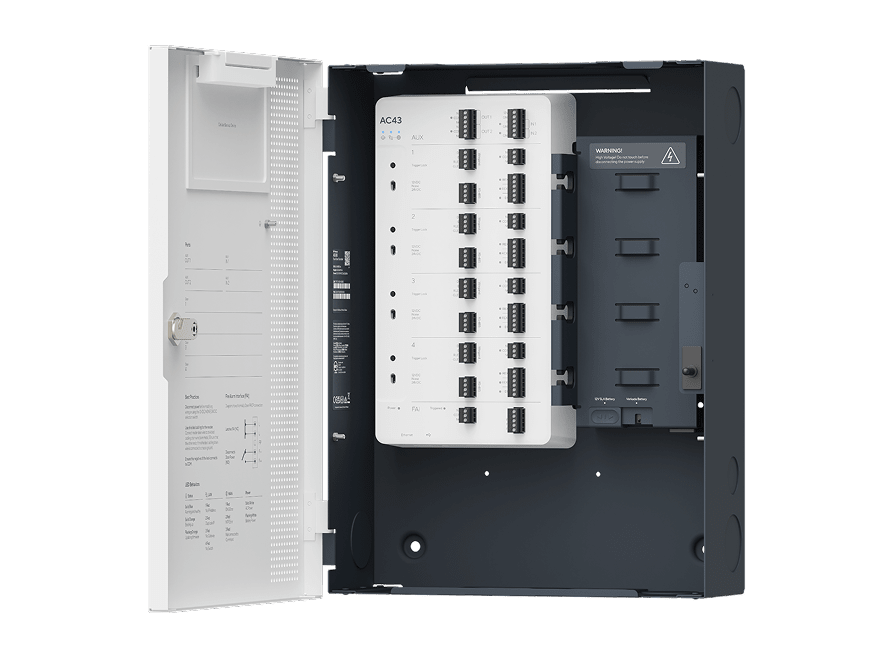
AC43
Next-gen 4-door controller, 2 AUX I/O, fire alarm interface, 10-yr warranty
Equipment planning price $2,900 ↗When this service makes sense
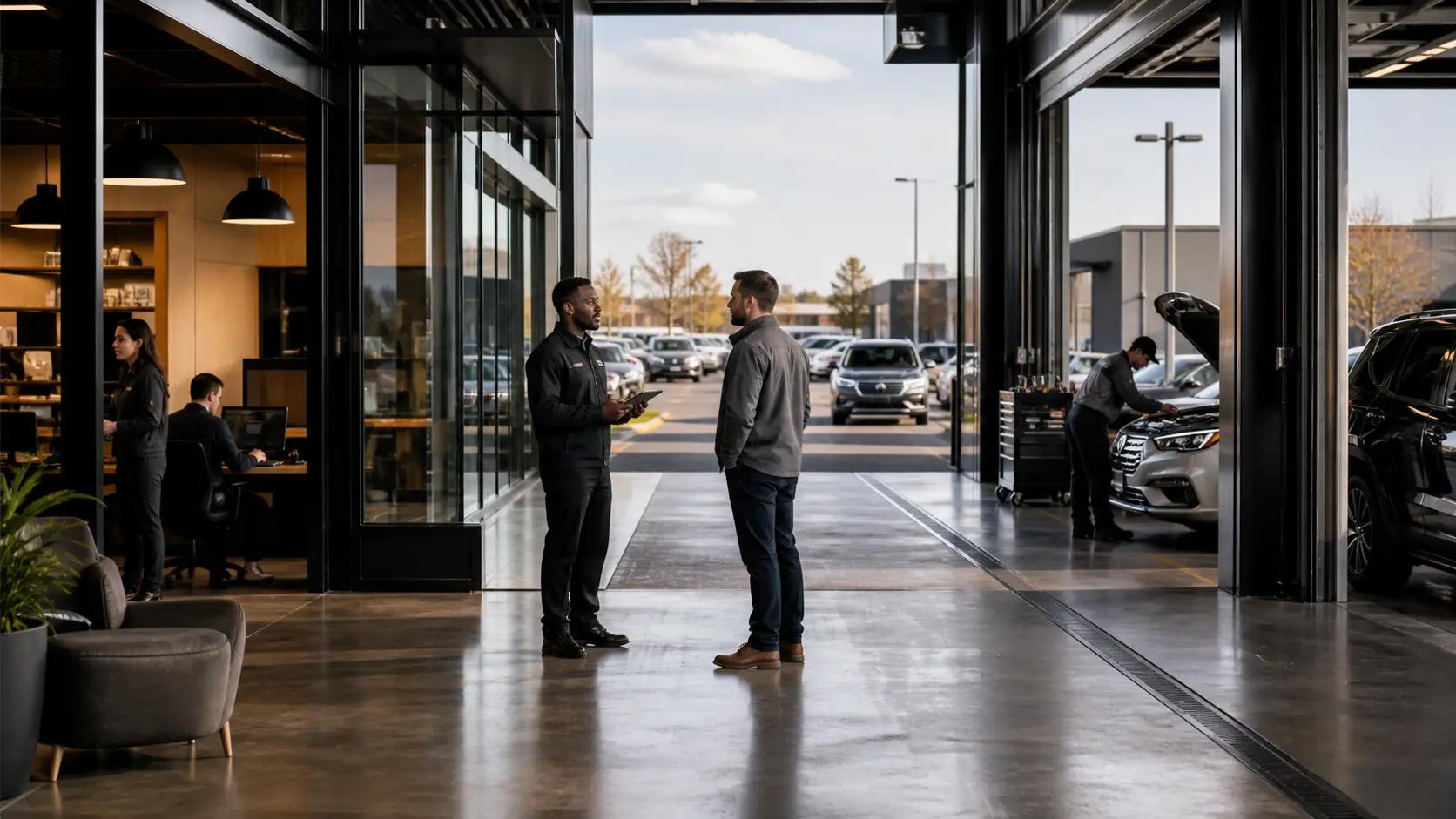
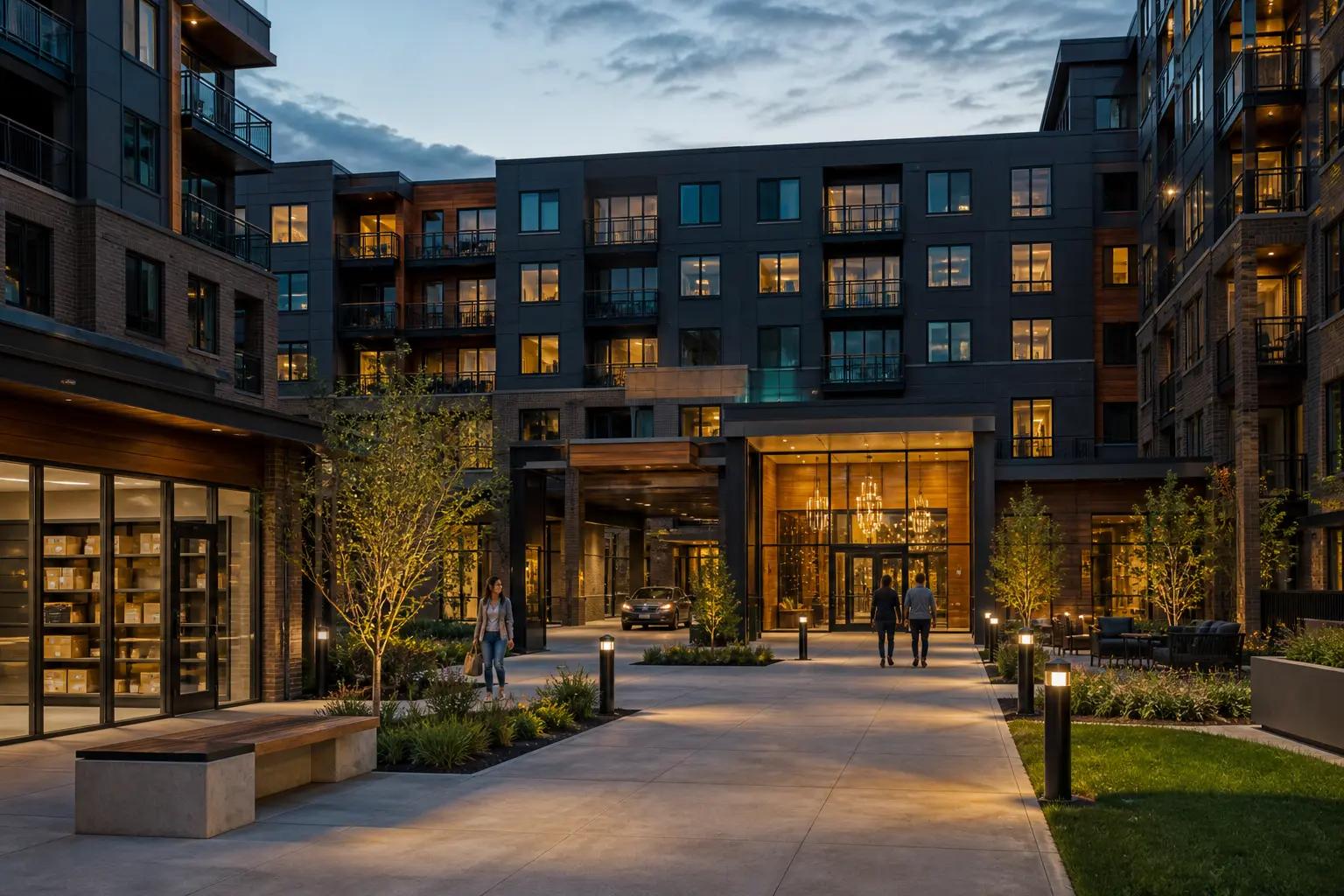
- Campuses, warehouses, multifamily sites, dealerships, and critical facilities
- Properties with named employee, resident, vendor, delivery, and visitor lanes
- Sites that need overview plus vehicle or plate-detail views
- Owners prepared to coordinate civil, gate, electrical, network, and security work
What we verify first
- Gate operators, vehicle barriers, accessible routes, egress, fire access, and traffic control require discipline-specific and local review
- License-plate or vehicle analytics do not guarantee a read and may carry privacy or policy obligations
- Outdoor copper, electronics, mounts, and power require environmental, grounding, surge, and maintenance planning
- Civil conditions hidden below grade can change pathway scope after investigation or excavation
Site contextSee where this work is usedView details
How site conditions change the design
Occupancy, operating hours, user activity, regulation, weather, construction, and access can change the design.

What people usually ask
Can one camera cover the lane and capture plates?
Sometimes, but reliable overview and plate-detail objectives often need different fields of view, angles, exposure settings, illumination, and placement. Treat them as separate requirements until a field test proves otherwise.
Should the gate fail open or fail closed?
There is no universal answer. The owner, gate specialist, life-safety stakeholders, and authority requirements must resolve egress, emergency access, security risk, manual release, backup power, and the specific failure event.
Is wireless suitable for a remote gate?
It can be when path, interference, bandwidth, latency, weather, mounting, power, security, and maintenance are designed and tested. Fiber is often considered where distance, exposure, or reliability makes copper unsuitable.
Standards and referencesReview the source materialView details
Sources used for this guide
These references inform the guide. The adopted code, engineer of record, authority having jurisdiction, manufacturer instructions, and signed agreement control the project.
Provides a risk-based framework for evaluating perimeter, screening, surveillance, access, and protective measures at venues.
Open reference ↗United States Access Board · reviewed 2026-08-20Guide to the ADA Standards: Entrances, Doors, and GatesExplains accessibility requirements and considerations for entrances, doors, gates, barriers, controls, and routes.
Open reference ↗Security Industry Association · reviewed 2026-08-20Open Supervised Device ProtocolDescribes supervised and secure communications between access controllers and readers used at doors and gates.
Open reference ↗