
Intrusion alarms
Detection that reaches the right people, with instructions attachedSensors, zones, users, arming rules, communication paths, verification, notification, and response instructions, working as one system.
What Intrusion alarms includes
An intrusion system supervises defined conditions such as doors, windows, motion, glass breakage, duress, or equipment state. It needs zone naming, arming partitions, user permissions, communication paths, maintenance tests, and response instructions that reflect how the facility operates.
Monitoring is not automatically continuous or police dispatch. Coverage windows, verification steps, contacts, response targets, permits, and central-station services are contract- and jurisdiction-specific and must be stated explicitly.
Question to answer before designWhich events require a local alarm, owner notification, verification, or central-station action, and during what contracted coverage window?
This service may fit when:
- Unknown zones or recurring nuisance alarms
- Changes in occupancy, perimeter, hours, or protected assets
- Dependence on a single aging communication path
- No current contact list, test record, permit owner, or response procedure
What the system includes
A complete scope covers each part below and the connections between them.
Detect
Contacts, motion, glass break, duress, environmental or equipment inputs
Control
Panel, zones, partitions, users, arming rules, local annunciation
Communicate
IP, cellular, or other supported paths with supervised failure states
Respond
Local procedure, owner notification, verification, and separately contracted monitoring
How site information becomes a tested project
A complete project record connects the conditions found on site, the design decisions made from them, and the tests and closeout documents delivered afterward.
What we confirm before design
- Protected spaces, event types, operating hours, and arming owners
- Door, glass, motion, temperature, dust, pets, and other environmental conditions
- Local notification, owner contact, verification, and monitoring requirements
What those findings determine
- Response path: Select the response path explicitly; neither option should be implied.
- Communication: Balance site connectivity, failure modes, recurring cost, and response need.
- Detection: Choose devices from the event and environment, not from a generic kit.
What you should receive
- Zone and device schedule
- Partition, user, timing, and event-response configuration
- Communication and power diagram
The exact inputs, decisions, and acceptance records depend on the site and signed scope.
Project stagesSurvey through closeoutView details
How the work moves from survey to closeout
Each stage should produce the records and test results needed before the next stage begins.
- 01
Map risk and operation
Identify entry points, protected areas, hours, user behavior, pets or environmental motion, existing zones, communications, permits, and response ownership.
EvidenceRisk-and-zone survey, existing-device test notes, contact owner, and jurisdictional questions. - 02
Design detection and response
Select zone types and placement, partitions, arming behavior, notification paths, verification steps, communication diversity, and documented coverage window.
EvidenceZone list, device plan, communication diagram, event-to-response matrix, and monitoring assumptions. - 03
Install and program
Install and label field devices, establish users and partitions, program event handling, coordinate any monitoring account, and train named administrators.
EvidenceDevice inventory, zone text, user-role record, programmed event list, and monitoring account handoff where contracted. - 04
Test the full signal path
Exercise sensors, tamper, low-battery, communications loss, arming, entry and exit timing, notifications, and contracted monitoring procedures without causing an unintended dispatch.
EvidenceZone-by-zone test sheet, signal receipt evidence, notification samples, contact-list confirmation, and exception log.
Design choicesCompare the available approachesView details
How to choose the right approach
The right choice depends on the site, application, operating risk, and acceptance requirements. More equipment does not automatically improve the system.
What we need to know
- Protected spaces, event types, operating hours, and arming owners
- Door, glass, motion, temperature, dust, pets, and other environmental conditions
- Local notification, owner contact, verification, and monitoring requirements
- Available IP, cellular, power, battery, and pathway conditions
- Jurisdictional permit, registration, dispatch, and false-alarm rules
What you should receive
- Zone and device schedule
- Partition, user, timing, and event-response configuration
- Communication and power diagram
- Zone-by-zone and end-to-end signal test evidence
- Contact list, administrator training, permit-owner notes, and maintenance plan
Equipment examplesSee relevant hardwareView details
Hardware that may be part of the project
These examples are not a final bill of materials. We confirm compatibility, availability, and the exact model after the requirements are clear.
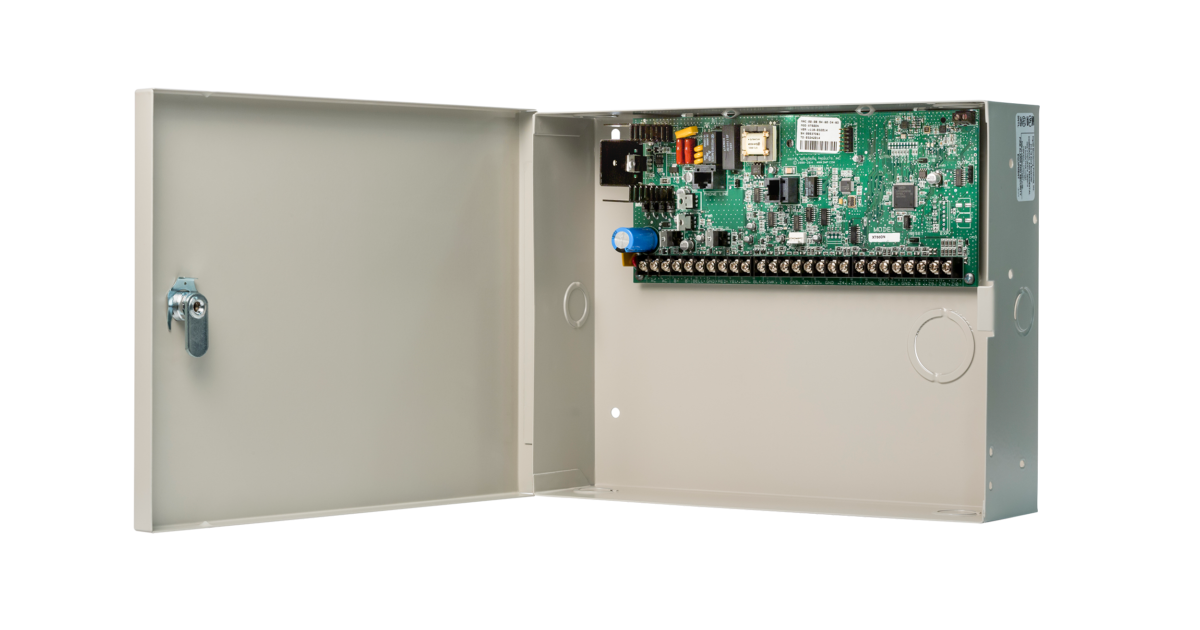
DMP-XT50
Hybrid cellular/IP intrusion panel, up to 58 hardwired/wireless/onboard zones
Equipment planning price $190 ↗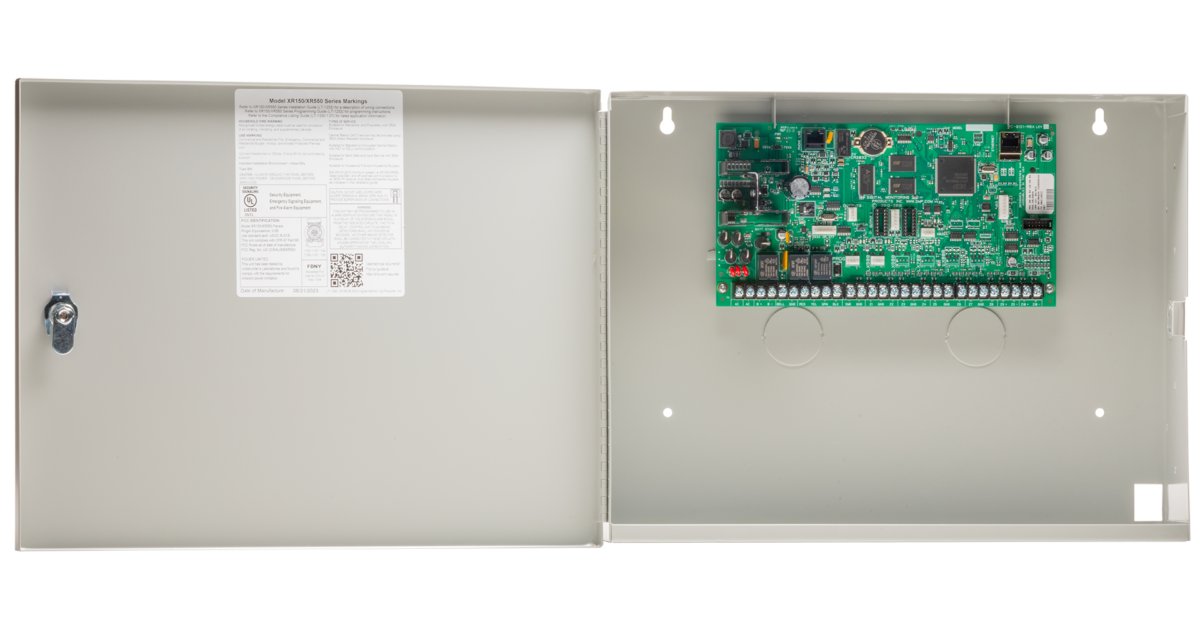
DMP-XR150
Expandable commercial panel, 142 inputs, up to 8 areas, 10,000 user codes
Equipment planning price $550 ↗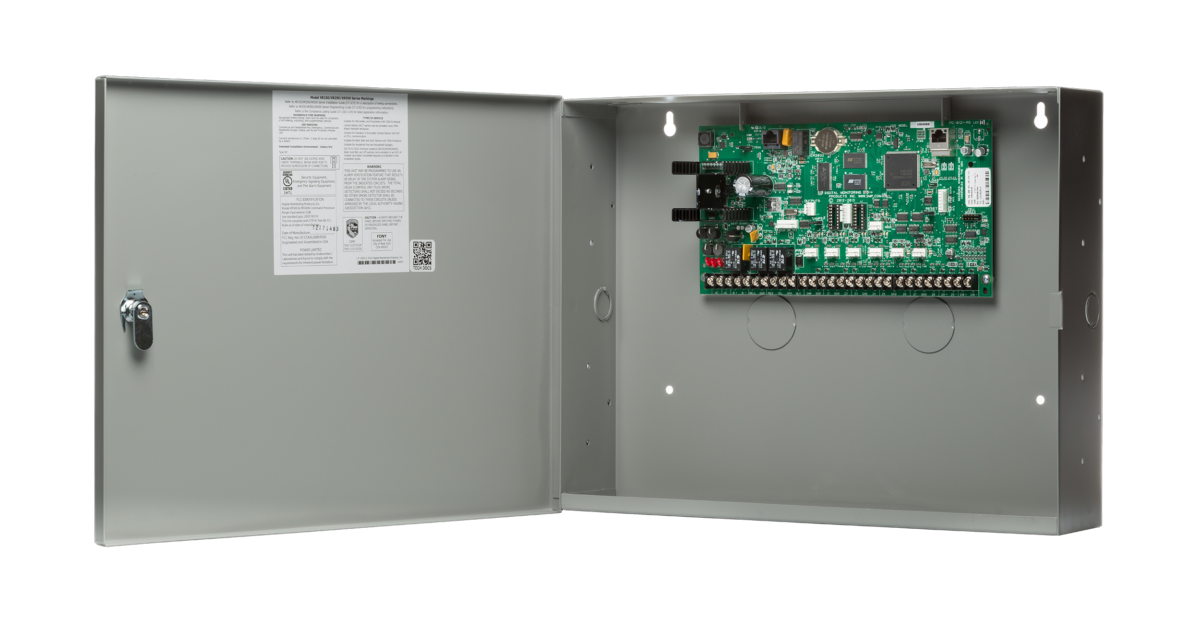
DMP-XR550
Flagship high-capacity panel, 574 zones, up to 32 areas, 96 doors of access
Equipment planning price $700 ↗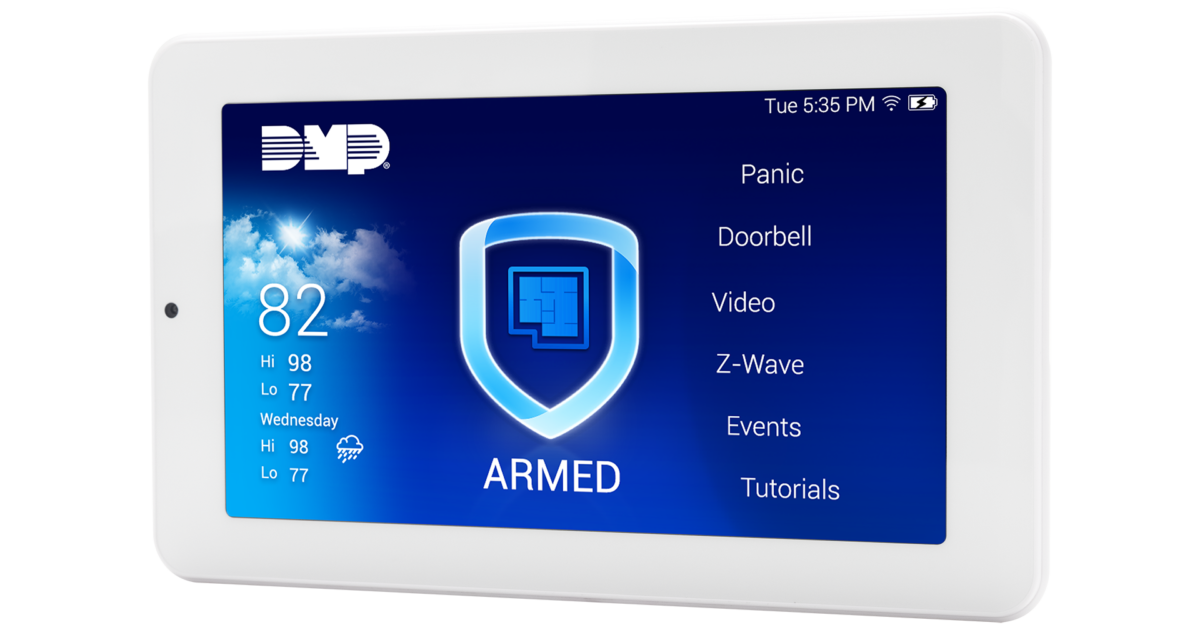
DMP-KEYPAD
7" full-color touchscreen, live camera viewing, built-in 2MP snapshot camera, Bluetooth disarm
Equipment planning price $360 ↗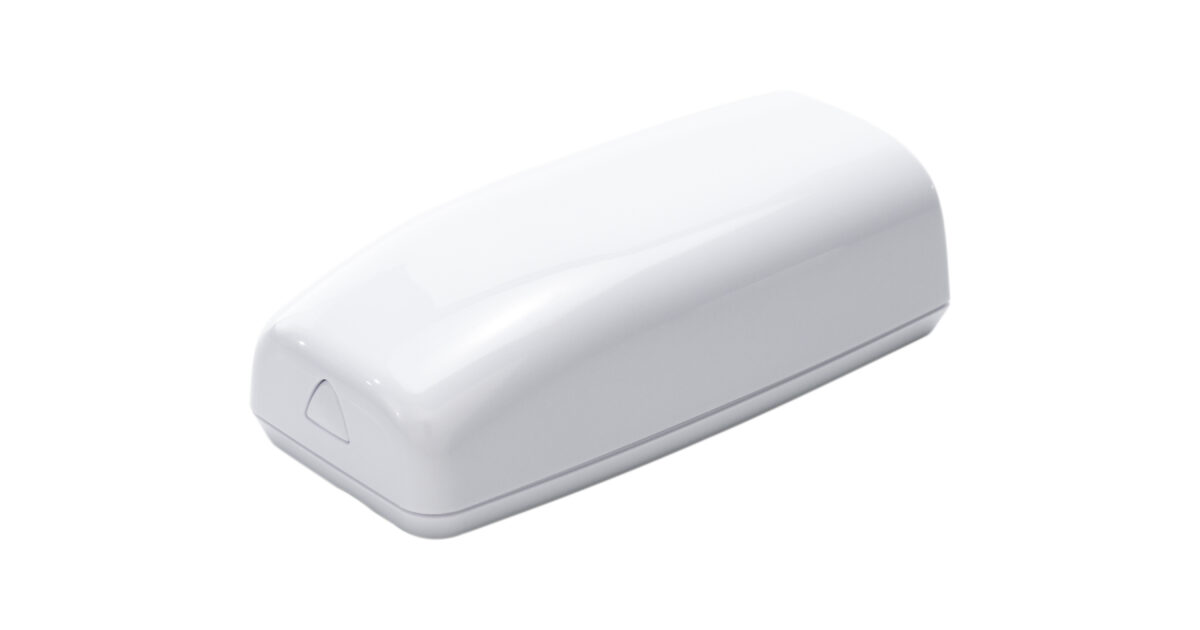
DMP-CONTACT
Wireless transmitter, dual reed switches + external terminal for two independent zones
Equipment planning price $60 ↗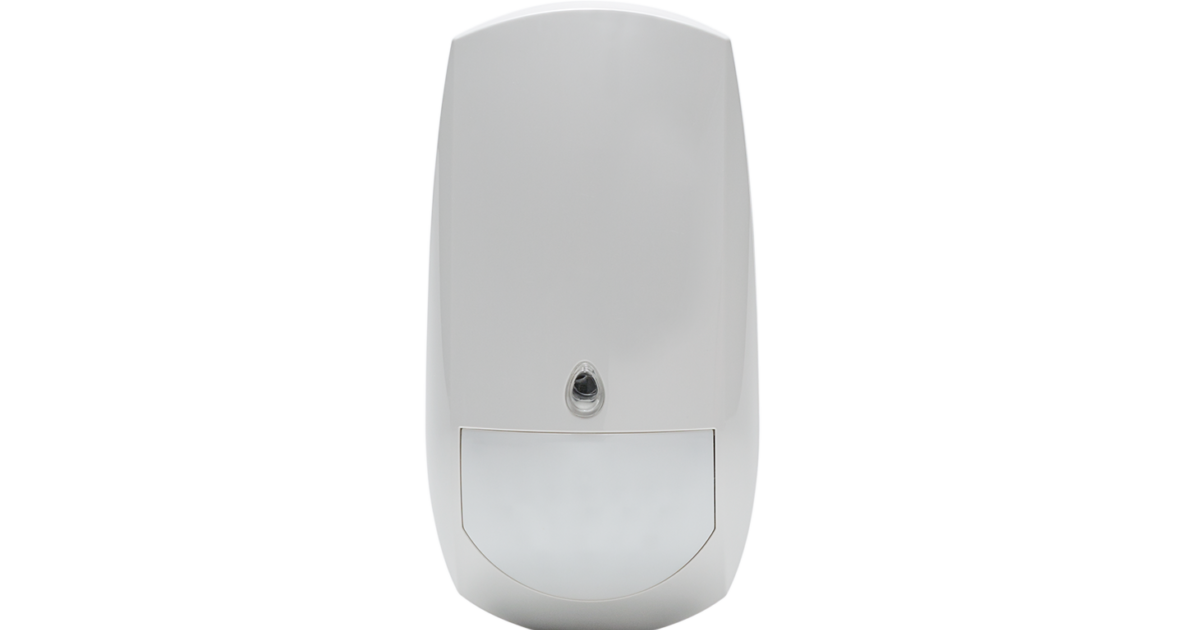
DMP-PIR
Wireless PIR, 90°/40x40 ft coverage, pet-immune up to 55 lbs
Equipment planning price $90 ↗When this service makes sense
- Sites that can define protected areas and arming responsibility
- Organizations that need partitioned access and named user activity records
- Facilities that require owner notifications or separately contracted central-station services
- Multi-site operators standardizing zones, contacts, and test evidence
What we verify first
- Detection cannot guarantee prevention or a specific response outcome
- Central-station hours, verification, response targets, and dispatch processes are separately contracted and jurisdiction-specific
- Fire alarm, life safety, and intrusion are distinct scopes even when platforms can exchange status
- Wireless range, batteries, environmental motion, user behavior, and communication outages affect performance
Site contextSee where this work is usedView details
How site conditions change the design
Occupancy, operating hours, user activity, regulation, weather, construction, and access can change the design.



What people usually ask
Does monitoring always mean 24/7?
No. Monitoring provider, coverage window, signal types, verification steps, response targets, and dispatch procedures must be written into a separate service agreement.
How are false alarms reduced?
Start with correct sensor selection and placement, descriptive zones, appropriate entry and exit timing, maintained contacts, user training, regular tests, and a documented verification procedure.
Can intrusion sensors share the fire-alarm system?
Platform capabilities vary, but intrusion and fire/life-safety remain distinct regulated scopes. Any interface must be designed and approved by the responsible parties and authority having jurisdiction.
Standards and referencesReview the source materialView details
Sources used for this guide
These references inform the guide. The adopted code, engineer of record, authority having jurisdiction, manufacturer instructions, and signed agreement control the project.
Describes control-panel and arming-device features intended to reduce false alarms in commercial and residential systems.
Open reference ↗Security Industry Association · reviewed 2026-08-20At-a-Glance Guide to SIA StandardsIndexes current alarm communication, intrusion, false-dispatch, sensor, and integration standards.
Open reference ↗Cybersecurity and Infrastructure Security Agency · reviewed 2026-08-20Physical SecurityProvides risk-based protective-security resources for businesses, organizations, venues, and communities.
Open reference ↗