
Access control
Every opening knows who may pass, and whenCredentials, readers, controllers, locks, door contacts, request-to-exit devices, schedules, power, network, and administrator policy, with project-specific door-hardware and life-safety review.
What Access control includes
An access-controlled opening is more than a reader. It includes the door, frame, latch or lock, closer, hinges, power transfer, egress hardware, door contact, request-to-exit method, controller, power supply, network path, credentials, schedules, and event policy.
A qualified door-hardware and life-safety review may be required. The authority having jurisdiction, fire-alarm contractor, architect, or hardware specialist determines applicable requirements; an integrator should not replace that review with a generic wiring assumption.
Question to answer before designWho should enter each opening, when should access apply, and what must the door do during power, network, and emergency states?
This service may fit when:
- Keys are difficult to recover or audit
- Door events do not match the physical state of the opening
- Multiple credential systems create inconsistent access
- New tenant, department, restricted area, elevator, or gate workflows
What the system includes
A complete scope covers each part below and the connections between them.
Opening
Door, frame, lock, closer, egress, contact, request to exit
Field control
Reader, controller, supervised inputs, relays, protected power
Platform
Identity, credentials, groups, schedules, events, audit trail
Interfaces
Fire alarm, elevator, gate, intercom, video, visitor workflow
How site information becomes a tested project
A complete project record connects the conditions found on site, the design decisions made from them, and the tests and closeout documents delivered afterward.
What we confirm before design
- Door, frame, hardware, egress, fire-rating, and accessibility conditions
- Users, groups, schedules, credential issue and revocation workflow
- Required behavior during power, network, fire-alarm, and lockdown states
What those findings determine
- Credential: Choose from risk, population, issuance process, privacy, and offline behavior.
- Reader link: Confirm controller, reader, topology, and commissioning support end to end.
- Management: Evaluate connectivity, ownership, integrations, licensing, and recovery.
What you should receive
- Door survey and function matrix
- Hardware, power, pathway, network, and interface design
- Credential groups, schedules, event rules, and administrator record
The exact inputs, decisions, and acceptance records depend on the site and signed scope.
Project stagesSurvey through closeoutView details
How the work moves from survey to closeout
Each stage should produce the records and test results needed before the next stage begins.
- 01
Survey the opening
Document door and frame condition, hardware, egress, fire rating, power, pathway, network, accessibility, and current key or credential workflow.
EvidenceDoor-by-door survey with hardware photos, measurements, existing conditions, and issues requiring specialist or authority review. - 02
Define states and policy
Map authorized groups, schedules, lock and unlock behavior, forced or held events, power loss, network loss, emergency interface, and credential lifecycle.
EvidenceDoor function matrix, credential and schedule matrix, riser, power budget, and interface responsibility list. - 03
Coordinate and implement
Sequence locksmith, electrical, fire-alarm, network, and security work; install and label devices; then configure roles and event rules.
EvidenceLabeled controller and field wiring, device inventory, configuration export, and coordination signoffs. - 04
Exercise every state
Test valid and invalid credentials, schedules, door position, request to exit, forced and held events, power and network states, and approved emergency interfaces.
EvidenceOpening-by-opening acceptance sheet, event-log samples, exception register, administrator accounts, and training record.
Design choicesCompare the available approachesView details
How to choose the right approach
The right choice depends on the site, application, operating risk, and acceptance requirements. More equipment does not automatically improve the system.
What we need to know
- Door, frame, hardware, egress, fire-rating, and accessibility conditions
- Users, groups, schedules, credential issue and revocation workflow
- Required behavior during power, network, fire-alarm, and lockdown states
- Available pathway, controller location, power, batteries, and network
- Integration, event retention, reporting, and administrator requirements
What you should receive
- Door survey and function matrix
- Hardware, power, pathway, network, and interface design
- Credential groups, schedules, event rules, and administrator record
- State-by-state acceptance results and event-log samples
- As-built door schedule, labeled panels, asset list, and training
Equipment examplesSee relevant hardwareView details
Hardware that may be part of the project
These examples are not a final bill of materials. We confirm compatibility, availability, and the exact model after the requirements are clear.
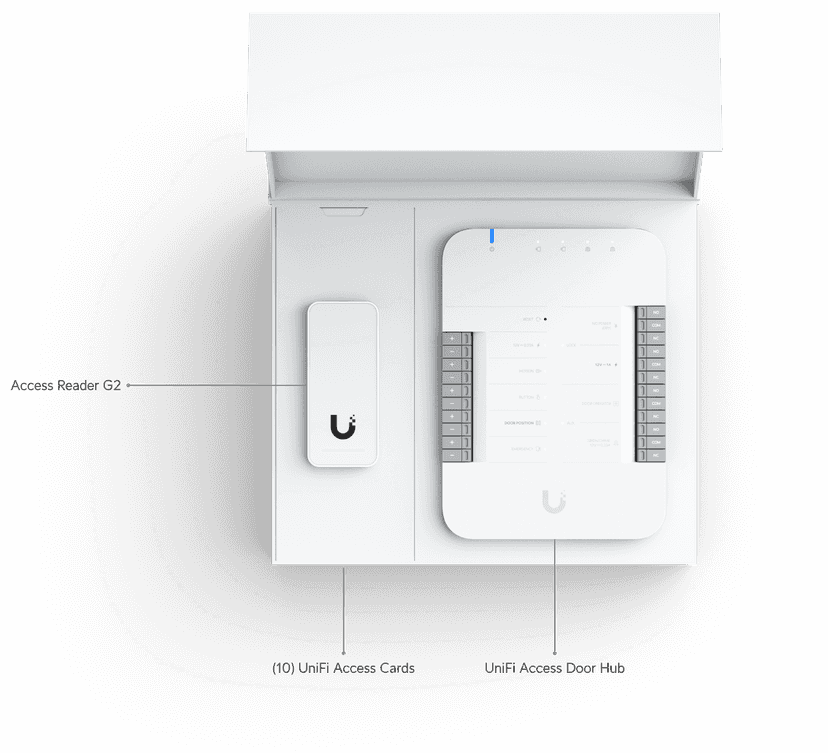
UA-G2-SK
All-in-one door access kit (hub + reader) for one secured entry
Equipment planning price $420 ↗
KISI-CTRL-PRO2
Cloud-connected IP/Wiegand controller, up to 4 doors, PoE/24V, offline fallback
Equipment planning price $975 ↗
KISI-READER-PRO2
BLE/NFC/mobile-wallet reader, card/fob fallback, PoE, offline-capable
Equipment planning price $675 ↗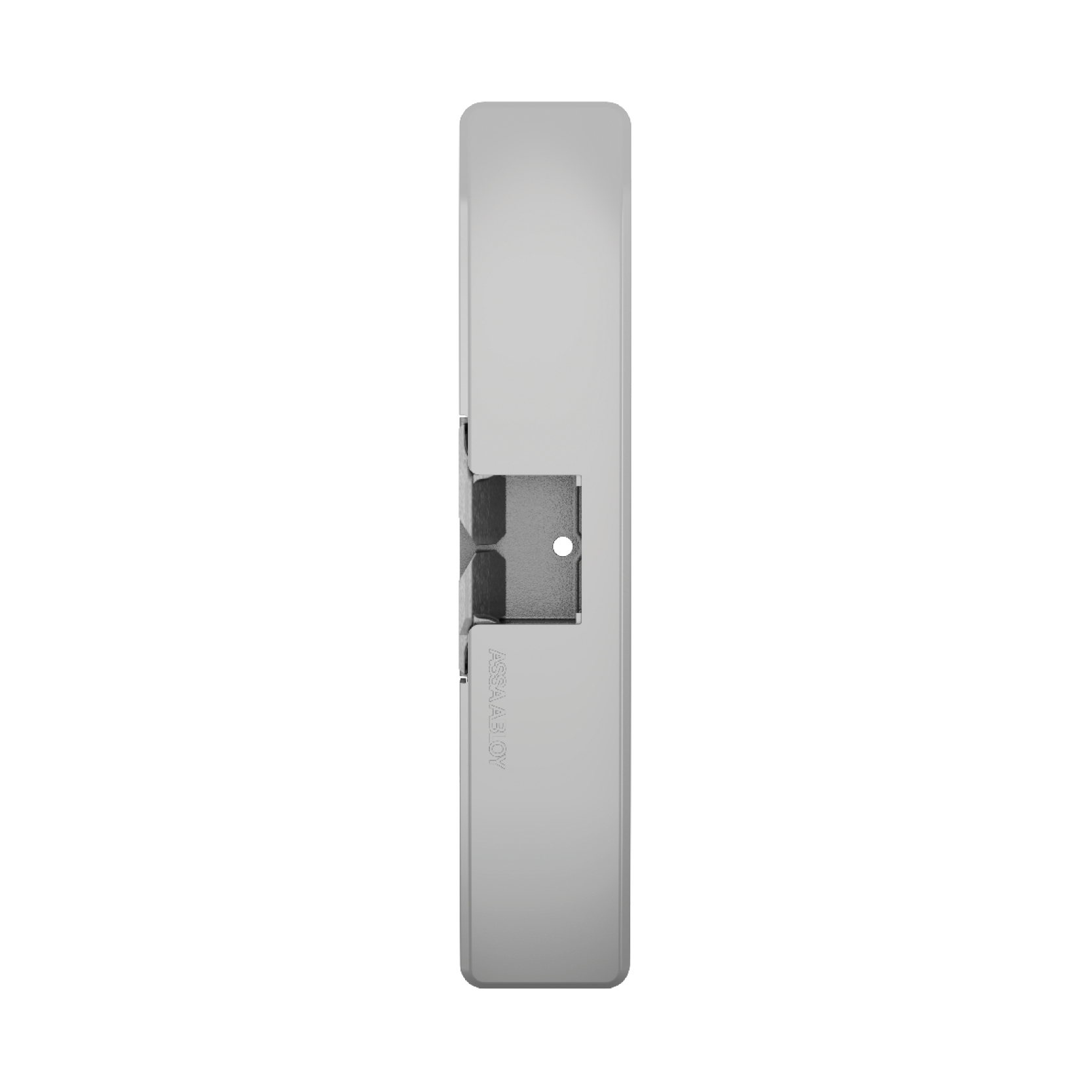
STRIKE-GENERIC
Surface-mounted, field-selectable fail-secure/fail-safe, 12/24VDC, 2,000 lb static strength
Equipment planning price $190 ↗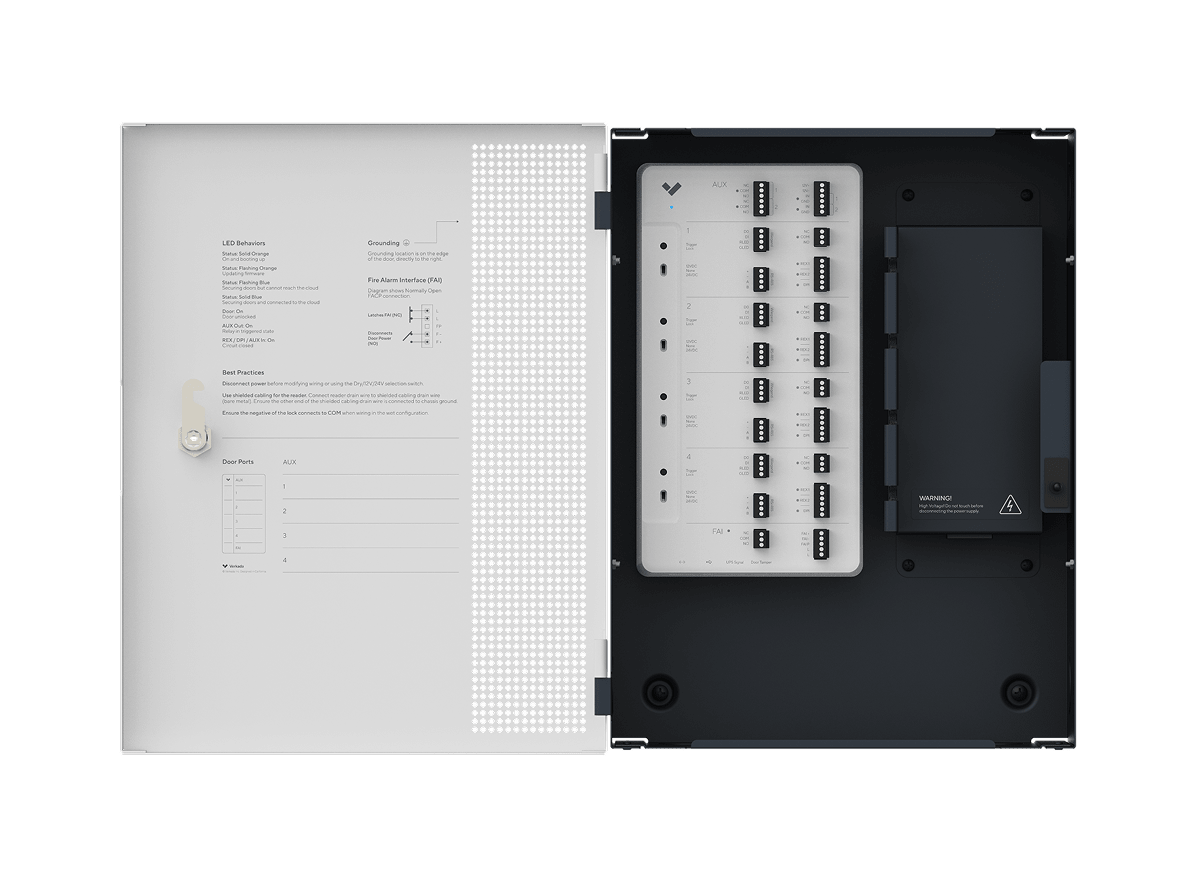
VRK-AC41
Cloud-managed 4-door controller, integrated PSU — AC41 EOL, shown here is AC42 ($1,999 MSRP)
Equipment planning price $1,700 ↗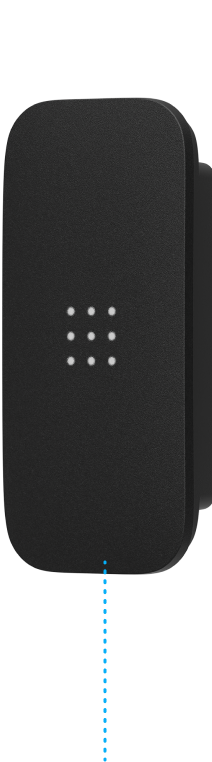
VRK-AD33
Multi-format reader, OSDP/RS-485, IP65/IK08 — AD33 EOL, shown here is AD34 ($349 MSRP)
Equipment planning price $330 ↗When this service makes sense
- Organizations with frequent user or schedule changes
- Sites that need event records and role-based administration
- Openings that coordinate with video, visitor, elevator, or intercom workflows
- Multi-site programs that need repeatable door standards
What we verify first
- Door hardware, egress, accessibility, fire rating, and emergency release require project-specific review
- Access control records entry events; they do not prove a person’s identity or prevent tailgating by themselves
- Cloud administration and mobile credentials depend on licensing, supported devices, and connectivity
- Existing doors may need locksmith, glazing, carpentry, electrical, or fire-alarm work outside the security scope
Site contextSee where this work is usedView details
How site conditions change the design
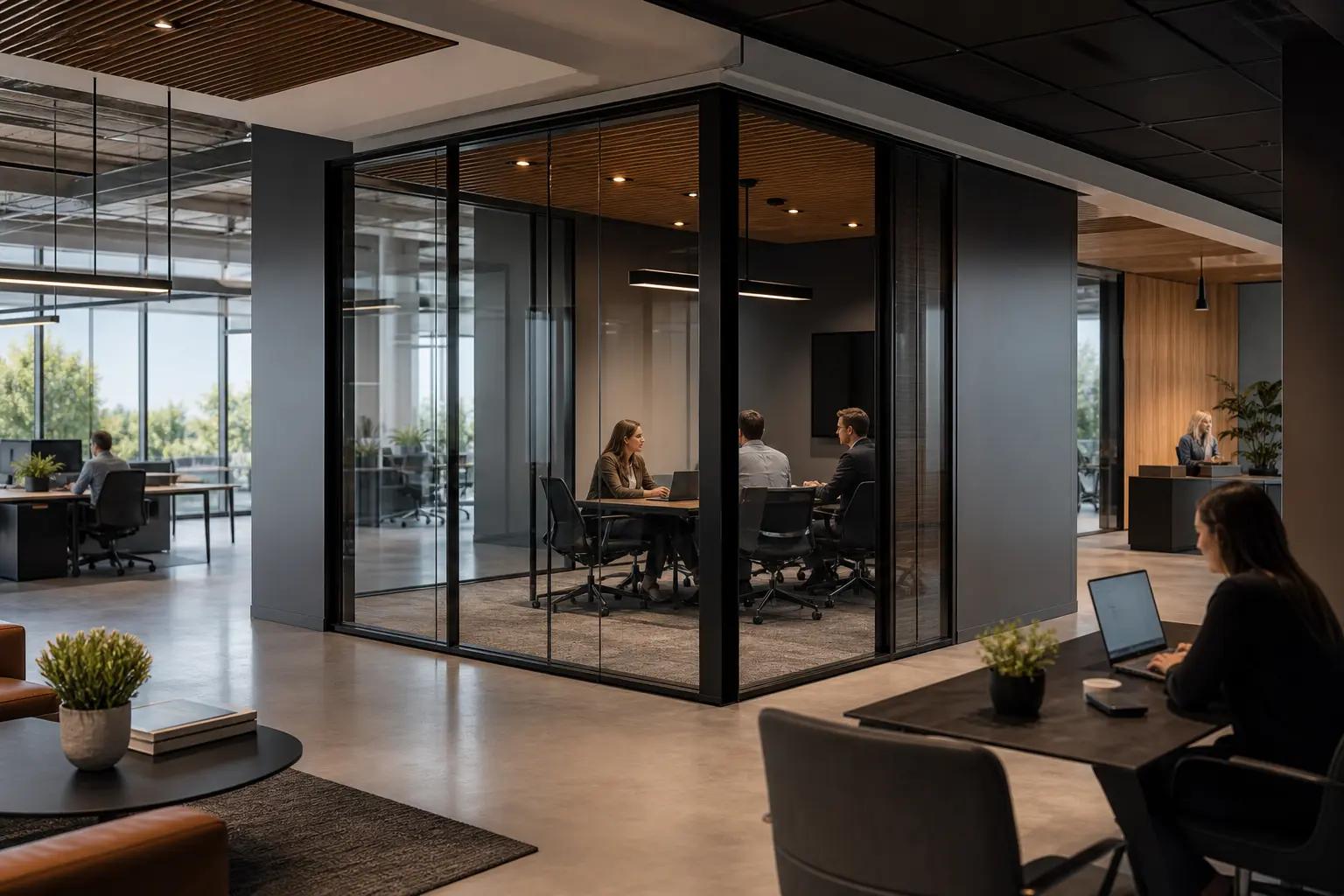
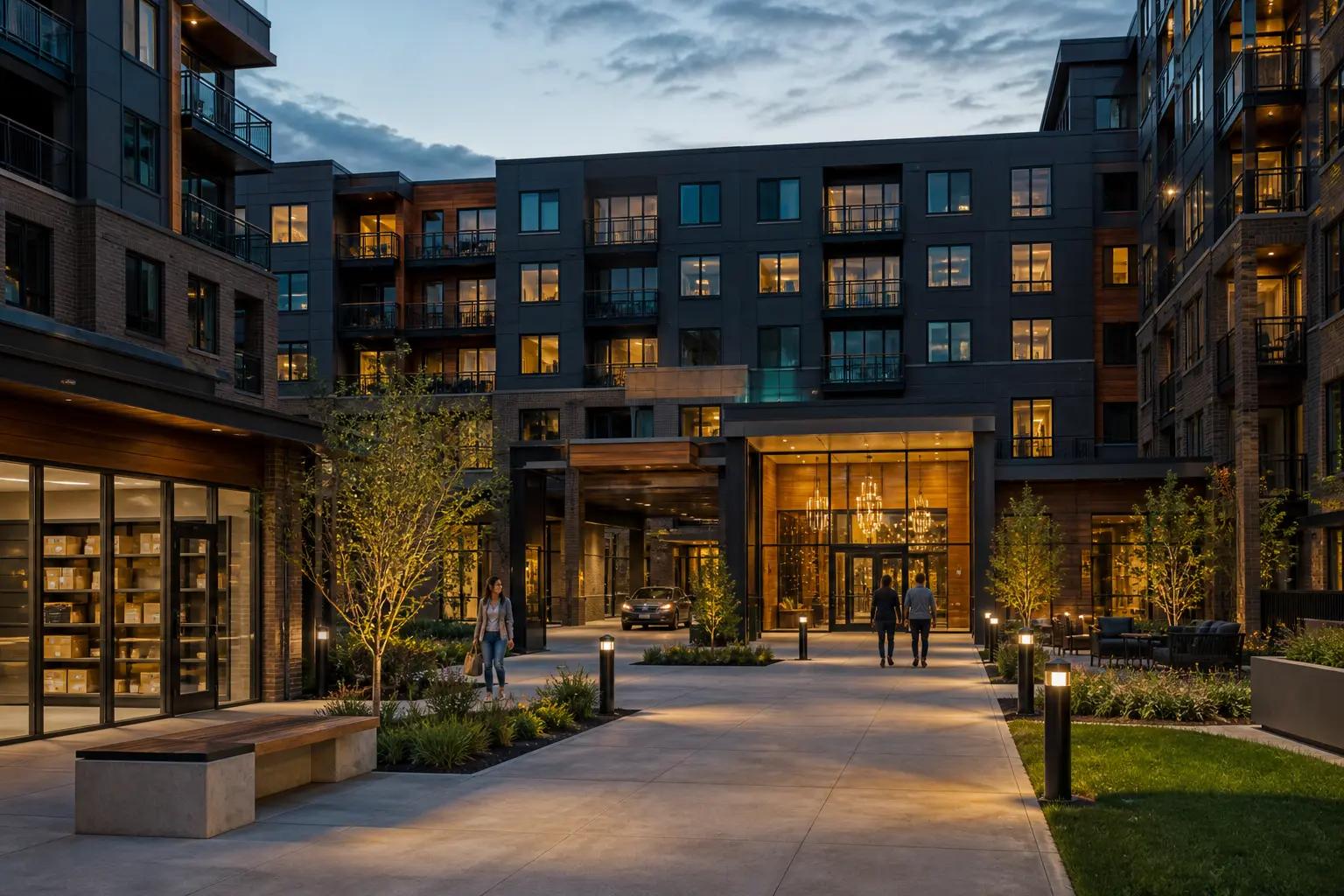
Occupancy, operating hours, user activity, regulation, weather, construction, and access can change the design.

What people usually ask
Can existing locks and readers be reused?
Sometimes. Reuse depends on the condition and function of the opening, voltage and current, wiring, protocol, supervision, fail-safe or fail-secure behavior, egress, platform support, and acceptance testing.
What happens when the internet fails?
That depends on the controller architecture and cached policy. Offline credential decisions, schedules, event buffering, remote administration, and recovery should be documented and tested before acceptance.
Does access control replace a life-safety review?
No. Egress, fire-alarm interfaces, accessibility, rated openings, and local requirements need review by the responsible design professionals, trades, and authority having jurisdiction.
Standards and referencesReview the source materialView details
Sources used for this guide
These references inform the guide. The adopted code, engineer of record, authority having jurisdiction, manufacturer instructions, and signed agreement control the project.
Describes supervised bidirectional reader communications, Secure Channel, interoperability, and device-management capabilities.
Open reference ↗National Institute of Standards and Technology · reviewed 2026-08-20SP 800-53 Rev. 5: Security and Privacy ControlsIncludes physical access authorization, monitoring, visitor records, audit, identification, and configuration controls.
Open reference ↗United States Access Board · reviewed 2026-08-20Guide to the ADA Standards: Entrances, Doors, and GatesExplains federal accessibility scoping and technical considerations for entrances, doors, gates, controls, and two-way communication.
Open reference ↗